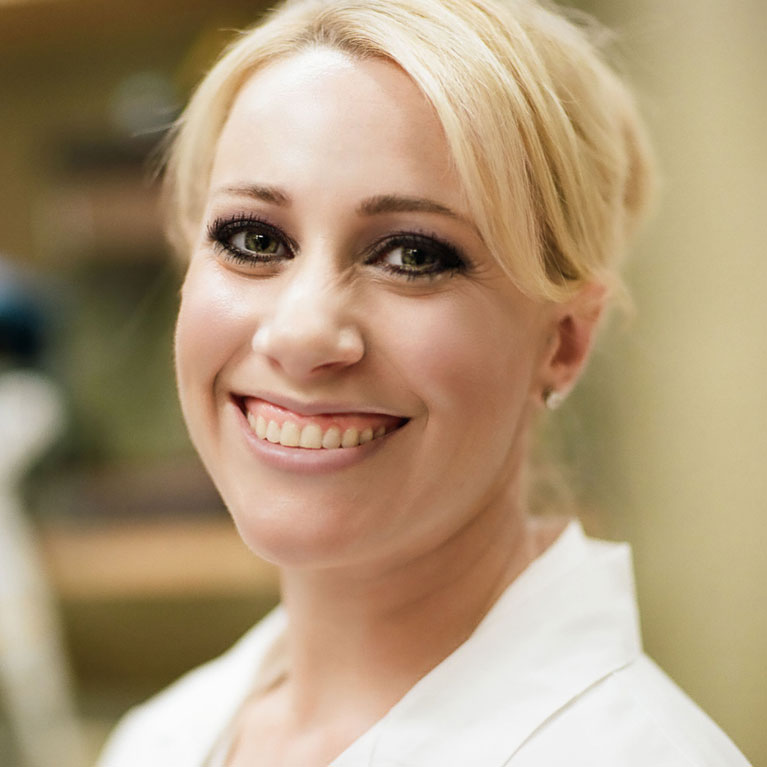
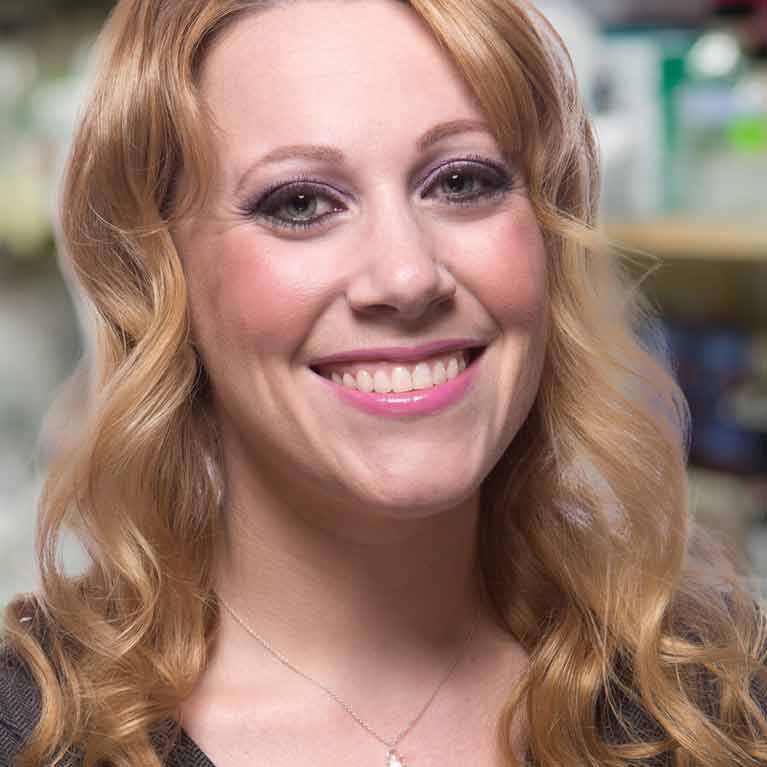
LA JOLLA—El Instituto Salk anunció que la distinguida neurocientífica Kay Tye se unirá a la facultad del Salk en enero de 2019 como profesora titular. Actualmente es profesora asociada en el Departamento de Ciencias del Cerebro y la Cognición, Instituto Picower para el Aprendizaje y la Memoria, en el Instituto de Tecnología de Massachusetts (MIT).
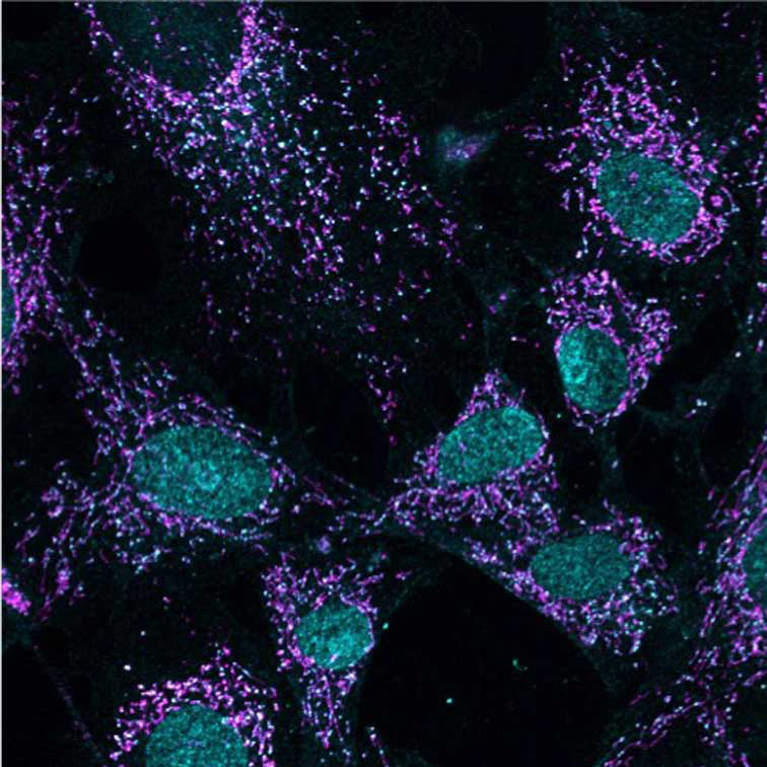
LA JOLLA—We’ve all heard the expression: “what doesn’t kill you makes you stronger.” Now, research led by a Salk Institute scientist suggests why, at a cellular level, this might be true. The team reports that brief exposures to stressors can be beneficial by prompting the cell to trigger sustained production of antioxidants, molecules that help get rid of toxic cellular buildup related to normal metabolism.
LA JOLLA—Antibiotic use is driving an epidemic of antibiotic resistance, as more susceptible bacteria are killed but more resilient strains live on and multiply with abandon. But if antibiotics aren’t the end-all solution for infectious disease, what is?
When each of us joined the Salk Institute, we signed on to a bold and collective mission far bigger and far more important than our work as individual scientists. Over the last year, the Institute’s collective nature has been put to the test, having entered into uncharted territory amidst very public litigation. As we have moved through the legal process, however, we have been reminded that, whatever our differences, we must never lose sight of our aspiration to work for the betterment of humanity and for each other. With that spirit in mind, in recent weeks the Institute’s leadership and Drs. Kathy Jones and Vicki Lundblad commenced discussions in hopes of resolving our disputes. Those productive conversations have led to a resolution of all claims between these parties that will enable us to put our disagreements behind us and move forward together at Salk for the collective good of the Institute and science.
LA JOLLA—Usando solo un microscopio, el cirujano italiano Francesco Durante observó las similitudes entre las células de los cánceres más malignos y las células embrionarias del órgano en el que se originó el cáncer.
LA JOLLA—¿Eres capaz de distinguir el aroma de una rosa del de una lila? Si es así, se lo debes agradecer a la corteza piriforme de tu cerebro. En comparación con muchas otras partes del cerebro, la corteza piriforme —que permite a los animales y a los humanos procesar información sobre los olores— parece un desordenado enredo de conexiones entre células llamadas neuronas. Ahora, investigadores del Instituto Salk han revelado cómo la aleatoriedad de la corteza piriforme es, en realidad, fundamental para que el cerebro distinga entre olores similares.
LA JOLLA—A new study from the Salk Institute has found that mice that have their microbiomes depleted with antibiotics have decreased levels of glucose in their blood and better insulin sensitivity. The research has implications for understanding the role of the microbiome in diabetes. It also could lead to better insight into the side effects seen in people who are being treated with high levels of antibiotics. The study appeared in the journal Comunicaciones de la Naturaleza on July 20, 2018.
LA JOLLA—Profesor(a) Asociado(a) Janelle Ayres is the recipient of a $1 million grant from the W. M. Keck Foundation to study new ways to treat deadly infections including sepsis and the flu, both of which require novel therapies beyond antibiotics and antivirals to effectively combat.
LA JOLLA—One reason we’re supposed to eat a variety of colorful fruits and vegetables is because they contain nutritious compounds called antioxidants. These molecules counteract the damage to our bodies from harmful products of normal cells called reactive oxygen species (ROS).
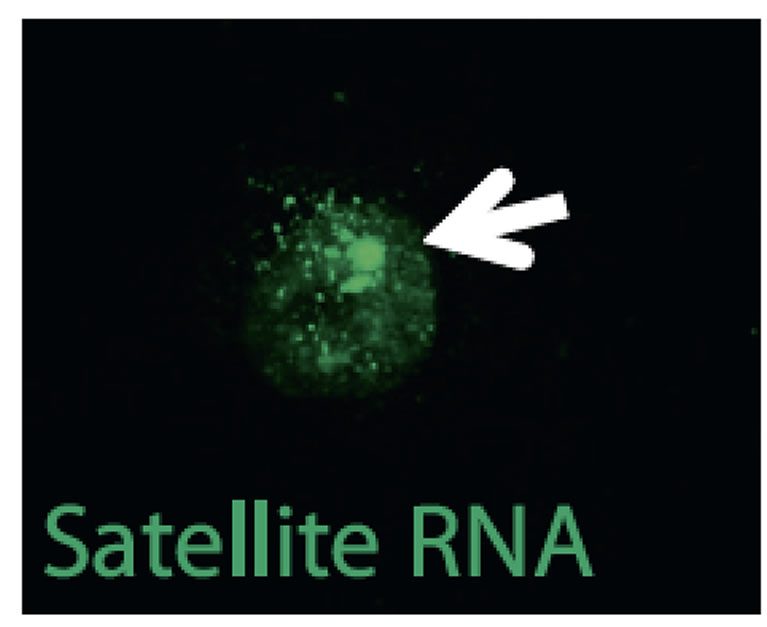
LA JOLLA—Only some of us have satellite TV in our homes, but all of us have satellite DNA in cells in our bodies. Working copies of satellite DNA (called satellite RNAs) are high in certain types of cancer, such as breast and ovarian. But whether they cause cáncer or merely coincide with it has been unclear.
LA JOLLA—Driving to work, typing an email or playing a round of golf—people perform actions such as these throughout the day. But neuroscientists are still unsure how the brain orchestrates complex actions or switches to a new action—behaviors that are impaired in disorders such as Parkinson’s disease or obsessive-compulsive disorder (OCD).
LA JOLLA—Profesor Asociado del Salk Janelle Ayres has been named one of three winners of the Blavatnik National Awards for Young Scientists, one of the world’s largest unrestricted prizes for early career scientists. Ayres, the laureate in the life sciences category, will receive $250,000 for her pioneering research in physiology and the study of the how bacteria interact with humans. Ayres’ work is revolutionizing our understanding of host-pathogen interactions and has the potential to solve one of the greatest current public health threats: anti-microbial resistance.
LA JOLLA—Salk Institute scientists Ronald Evans, Diana Hargreaves, Tony Hunter, Graham McVicker y Geoffrey Wahl are among the first wave of researchers to receive funding from Padres Pedal the Cause, one of one of the largest stand-alone cancer fundraising events in San Diego. The nonprofit raised $2.4 million for cancer research in November 2017, thanks to the efforts of more than 3,000 bicycle riders, sponsors, volunteers and donors.
LA JOLLA—Eiman Azim, an assistant professor in Salk’s Molecular Neurobiology Laboratory, has received a McKnight Scholar Award from the McKnight Foundation. The award, which totals $225,000 over three years, encourages neuroscientists at early stages of their careers to focus on disorders of learning and memory. Each year it is awarded to no more than six neuroscientists.
LA JOLLA—Profesor de la American Cancer Society en el Salk Tony Hunter ha sido galardonado con el Premio Tang 2018 en Ciencias Biofarmacéuticas.
LA JOLLA—Saket Navlakha, an assistant professor in Salk’s Integrative Biology Laboratory, is one of 22 researchers to be named a 2018 Pew Scholar in the Biomedical Sciences. Each scholar receives $300,000 over four years. Additionally, Navlakha is one of a subset of five Pew Scholars selected for support by the Kathryn W. Davis Peace by Pieces Fund, which focuses on investigating health challenges in the brain as it ages.
On June 11, 2018, Salk’s Board of Trustees met to discuss the findings of the Institute’s investigation into allegations against Dr. Inder Verma. Our commitment from the outset has been to undertake an investigatory process that is thorough and impartial and to take action as appropriate. Although we will not comment on the details of this confidential personnel matter, we wanted to share with you the outcome of this process.
LA JOLLA—El Salk Institute ha sido clasificado como una de las 5 mejores instituciones sin fines de lucro del mundo enfocadas en ciencias de la vida y una de las 10 mejores organizaciones sin fines de lucro en general, según un informe conocido como el Nature Index y publicado por Springer Nature el 7 de junio de 2018. Los rankings se basan en datos del Nature Index del 1 de enero de 2017 al 31 de diciembre de 2017.
LA JOLLA—One of the many challenges in treating HIV is that the virus can lie dormant in cells, quietly evading immune detection until it suddenly roars to life without warning and begins replicating furiously. Salk Institute researchers discovered a small molecule called JIB-04 that destroys the HIV protein called Tat, responsible for revving up the virus.
LA JOLLA—Profesor(a) Asociado(a) Janelle Ayres is one of 31 US finalists selected to compete for the world’s largest unrestricted prizes for early career researchers, the Blavatnik National Awards for Young Scientists. The Blavatnik National Awards recognize both the past accomplishments and the future promise of the most talented scientific and engineering researchers aged 42 years and younger at America’s top academic and research institutions.