8 de agosto de 2023
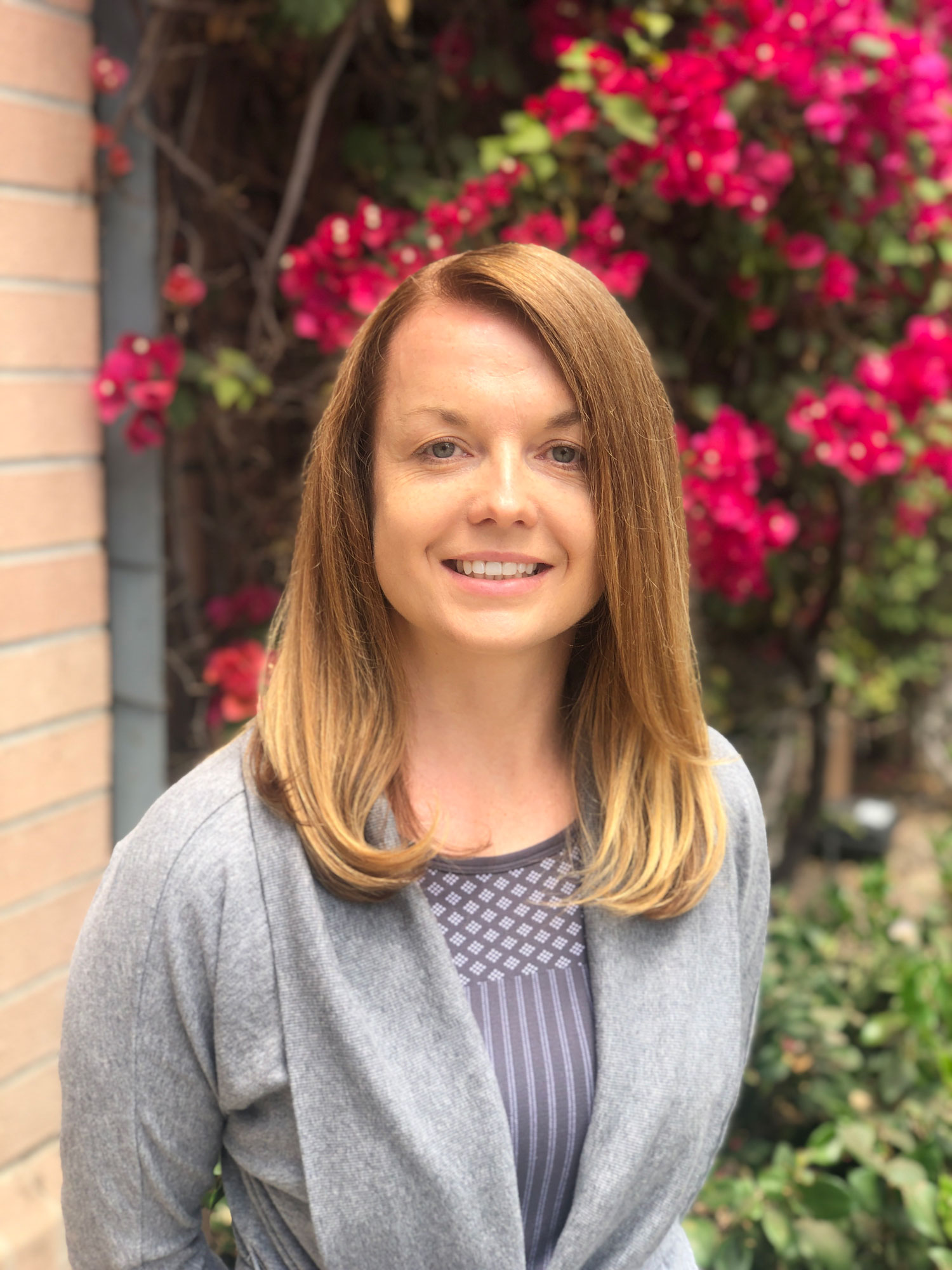
LA JOLLA—El Instituto Salk da la bienvenida al profesor asistente Agnieszka Kendrick, un biólogo estructural que estudia cómo las células reconocen y transportan sustancias dentro de la célula.
“Aga is an innovative scientist already making waves in the scientific community,” says Salk President Gerald Joyce. “Her pioneering work in cellular transport will continue to push the boundaries of scientific discovery as she fosters collaborative relationships here at Salk.”
Kendrick investigates how tiny cellular motors in our cells are assembled, how they handle diverse cellular cargo, and how they communicate with each other. Cells use molecular motors to transport essentials for proper cellular function. These highly dynamic, energy-driven molecular machines travel along a cellular highway system—called the cytoskeleton—to transport cargo such as organelles, vesicles, mRNA, and viruses.
Kendrick’s lab will use advanced imaging tools such as cryogenic electron microscopy (cryo-EM) combined with single-molecule and live-cell imaging methods to piece together the principles of these motors. The multidisciplinary approach will allow her team to unravel how cells transport important materials and how regulating or disrupting that transport either prevents or contributes to disease.
Transport disruption is linked to cancer and numerous neurological diseases, including Alzheimer’s disease, yet researchers don’t fully understand how motors work to transport items throughout the cell. Kendrick hopes to illuminate the mechanisms that sustain cellular motors and collaborate with fellow Salk faculty members to extend her findings into immunology, cancer, and neuroscience research.
“Being a structural biologist, my interests are in molecular interactions—an incredibly broad area of research very conducive to Salk’s collaborative style,” says Kendrick. “The best way to push science forward is to develop community connections and talk to people. You may not even realize whom you can collaborate with until you start having conversations and building community, and Salk is an excellent place to do that.”
Kendrick joins the Salk Institute from UC San Diego, where she completed her postdoctoral fellowship in Samara Reck-Peterson’s lab. She earned her bachelor’s degree in chemistry from the University of Wroclaw, in Poland, before traveling to Colorado to complete her master’s degree in chemistry and PhD in structural biology and biochemistry at CU Denver. She has received numerous awards and honors, including being named a Leading Edge Symposium Fellow, receiving the National Institutes of Health Ruth L. Kirschstein and Pre- and Postdoctoral Fellowships, and earning an American Cancer Society Postdoctoral Fellowship.
Oficina de Comunicaciones
Tel.: (858) 453-4100
press@salk.edu
El Instituto Salk es un centro de investigación independiente y sin fines de lucro fundado en 1960 por Jonas Salk, creador de la primera vacuna segura y eficaz contra la poliomielitis. La misión del Instituto es impulsar una investigación fundamental, colaborativa y audaz que aborde los retos más acuciantes de la sociedad, entre ellos el cáncer, la enfermedad de Alzheimer y la vulnerabilidad agrícola. Esta ciencia fundamental sustenta todos los esfuerzos traslacionales, generando conocimientos que permiten el desarrollo de nuevos medicamentos e innovaciones en todo el mundo.