Stoffwechsel

Übersicht

Salk Institute for Biological Studies - Metabolism - Overview

Übersicht


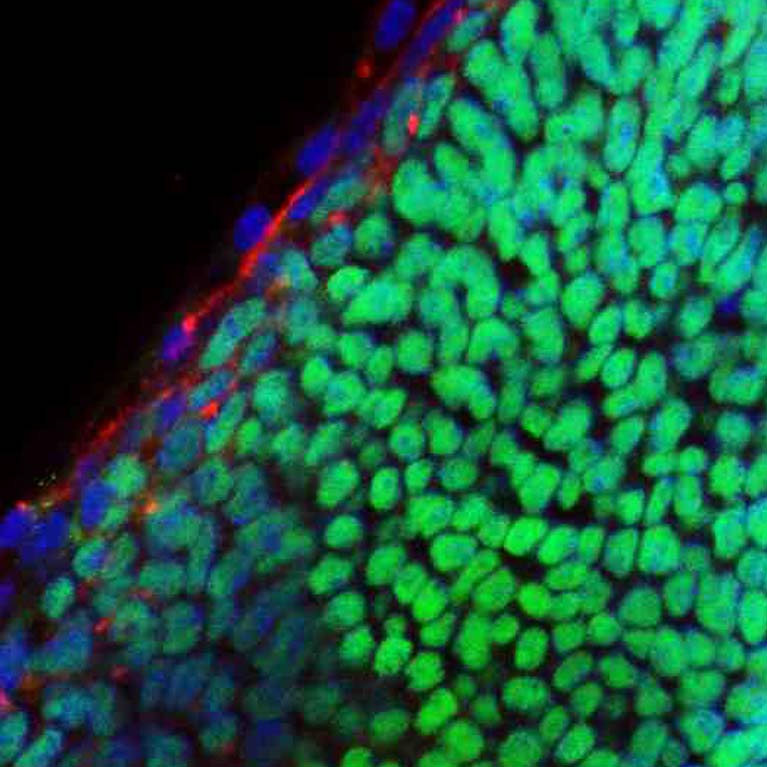
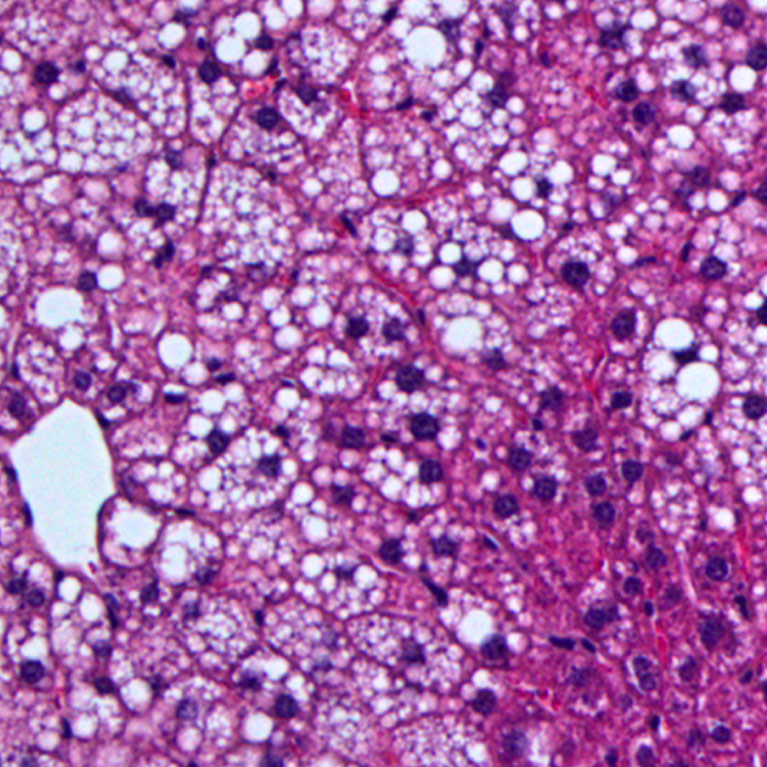
Salk scientists study the many molecular processes used by the body to convert food into energy. They want to understand how these systems—known collectively as metabolism—develop and how they go awry in conditions such as diabetes and obesity. Ultimately, this information might be used to develop new ways to prevent and treat these conditions.
Forschung


Diabetes, Type 1

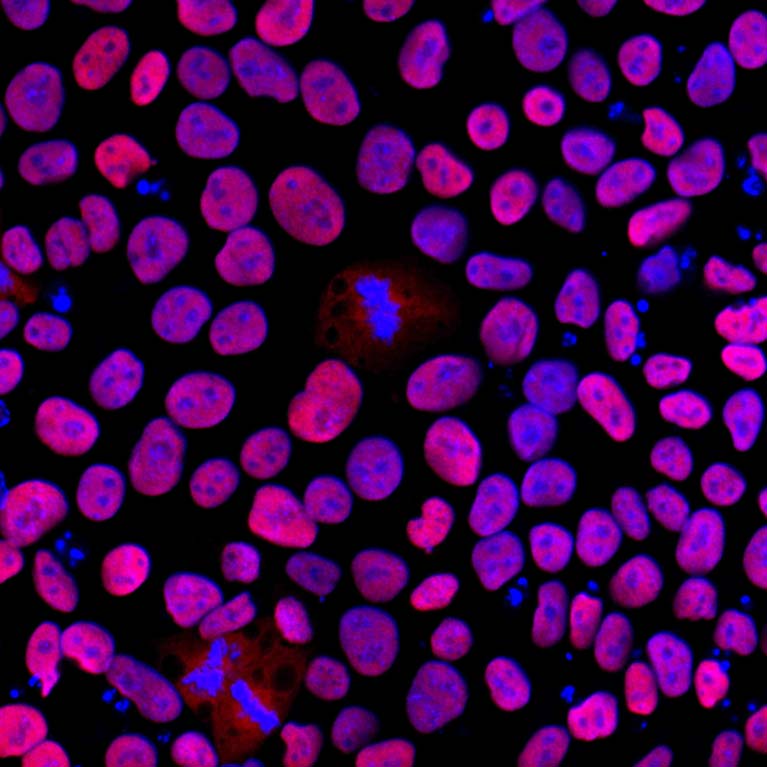
Individuals with type 1 diabetes cannot regulate their blood sugar levels because their pancreas does not produce enough insulin. There is no cure for this autoimmune disease, which is diagnosed in about 40,000 people annually in the United States. It can be managed, but there are still risks for serious complications, including blindness, heart attacks, kidney failure, and strokes. At the Salk Institute, we are focusing on the islet cells in the pancreas, which are responsible for producing insulin but are under attack by a person’s own immune system. We are looking for ways to protect them from damage or to coax them back to health. Our regenerative medicine research on stem cells is currently paving the way to grow new pancreatic tissues in the lab, healthy tissues that can benefit people with type 1 diabetes. We are doing the science today so that one day people won’t have to live with this disease.

Ronald Evans, PhD

Professor und Direktor

Genexpressionslabor

Marc Montminy, MD, PhD

Ausgezeichneter Professor Emeritus

Alan Saghatelian, PhD

Professor

Clayton Foundation Laboratorien für Peptidbiologie

Reuben Shaw, PhD

Professor

Labor für Molekular- und Zellbiologie

Ye Zheng, PhD

Professor

NOMIS Zentrum für Immunbiologie und mikrobielle Pathogenese

Diabetes, Type 2

Type 2 diabetes affects about 27 million Americans and is generally associated with obesity in adulthood. However, as childhood obesity is becoming more prevalent, cases of the disease have been soaring in this population. This disorder—where cells don’t use sugar-regulating insulin as well as they should—can cause a number of health problems and even death. At Salk we study the disease at cellular and systematic levels to understand how cells become insulin-resistant and how that can lead to health complications.

Ronald Evans, PhD

Professor und Direktor

Genexpressionslabor

Marc Montminy, MD, PhD

Ausgezeichneter Professor Emeritus

Satchidananda Panda, PhD

Professor

Labor für Regulierungsbiologie

Alan Saghatelian, PhD

Professor

Clayton Foundation Laboratorien für Peptidbiologie

Reuben Shaw, PhD

Professor

Labor für Molekular- und Zellbiologie

Ye Zheng, PhD

Professor

NOMIS Zentrum für Immunbiologie und mikrobielle Pathogenese

Mitochondrial Disease

This set of diseases affects mitochondria, the structures that generate energy in the body’s cells. Mitochondria are also involved in cellular communication and immunity via pathways that are only starting to be identified. Muscular and neurological problems can occur when mitochondria malfunction, whether from an inherited genetic mutation or from wearing out as we age. Salk scientists are studying the basic biology of mitochondria and identifying ways that mitochondria contribute to disease, aging, and the immune system.

Ronald Evans, PhD

Professor und Direktor

Genexpressionslabor

Gerald Shadel, PhD

Professor

Labor für Molekular- und Zellbiologie

Obesity

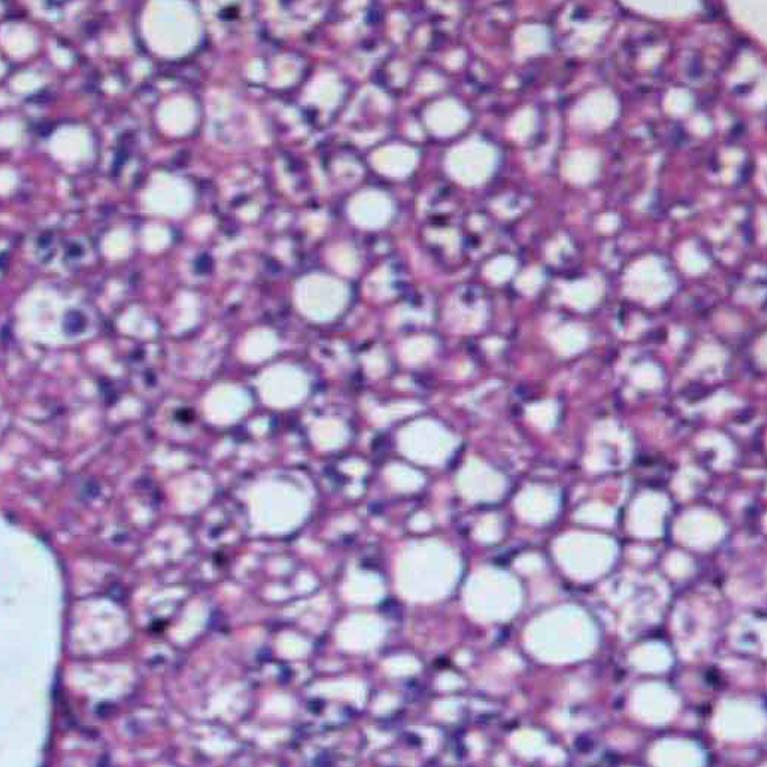
With more sedentary lifestyles and unhealthy food choices, humans are increasingly becoming obese, leading to an epidemic of diabetes, heart disease, and other health problems. Salk scientists strive to understand the fundamentals of metabolism and how our cells store and manage energy. We are working to develop therapies to treat obesity and its related risks.

Ronald Evans, PhD

Professor und Direktor

Genexpressionslabor

Satchidananda Panda, PhD

Professor

Labor für Regulierungsbiologie

Ye Zheng, PhD

Professor

NOMIS Zentrum für Immunbiologie und mikrobielle Pathogenese