When each of us joined the Salk Institute, we signed on to a bold and collective mission far bigger and far more important than our work as individual scientists. Over the last year, the Institute’s collective nature has been put to the test, having entered into uncharted territory amidst very public litigation. As we have moved through the legal process, however, we have been reminded that, whatever our differences, we must never lose sight of our aspiration to work for the betterment of humanity and for each other. With that spirit in mind, in recent weeks the Institute’s leadership and Drs. Kathy Jones and Vicki Lundblad commenced discussions in hopes of resolving our disputes. Those productive conversations have led to a resolution of all claims between these parties that will enable us to put our disagreements behind us and move forward together at Salk for the collective good of the Institute and science.
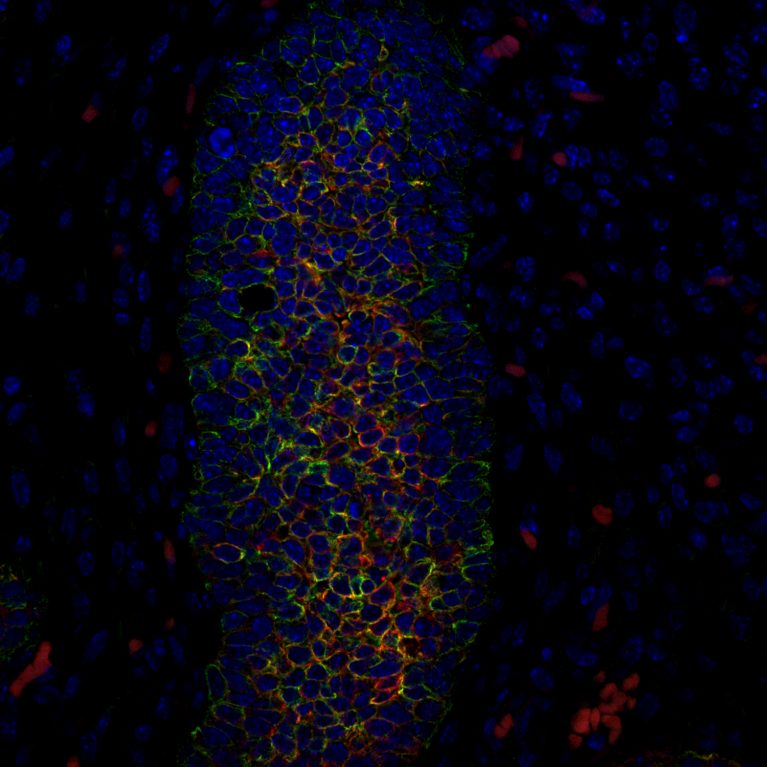
LA JOLLA—Using just a microscope, Italian surgeon Francesco Durante was struck by the similarities between cells in the most malignant cancers and the embryonic cells of the organ in which the cancer originated.
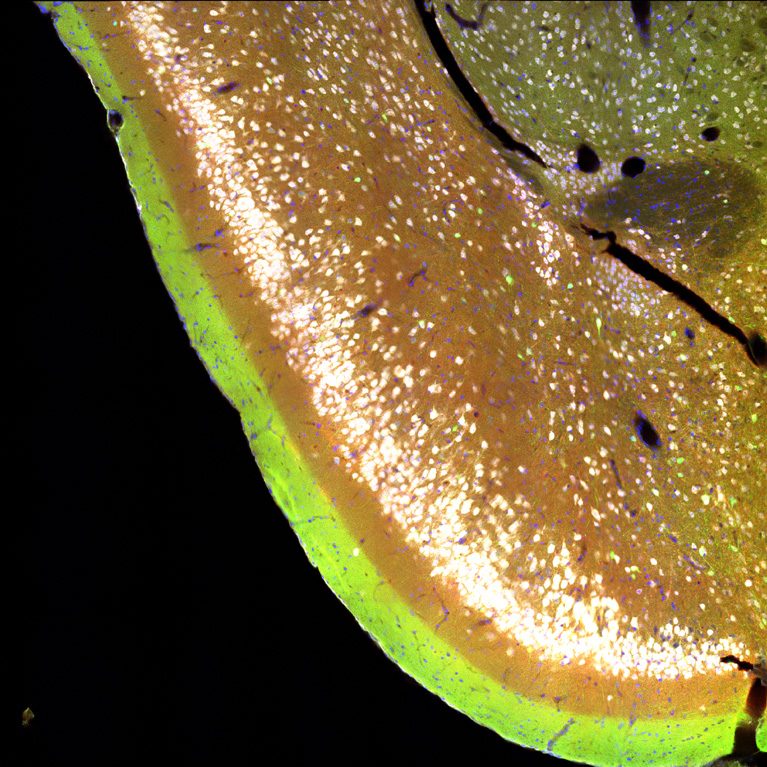
LA JOLLA – Können Sie den Geruch einer Rose vom Duft einer Flieder unterscheiden? Wenn ja, dann haben Sie dem piriformen Kortex Ihres Gehirns zu danken. Im Vergleich zu vielen Teilen des Gehirns sieht der piriforme Kortex – der es Tieren und Menschen ermöglicht, Informationen über Gerüche zu verarbeiten – aus wie ein unordentliches Durcheinander von Verbindungen zwischen Zellen, die Neuronen genannt werden. Nun haben Forscher des Salk Institute aufgezeigt, wie die Zufälligkeit des piriformen Kortex tatsächlich entscheidend dafür ist, wie das Gehirn zwischen ähnlichen Gerüchen unterscheidet.
LA JOLLA—A new study from the Salk Institute has found that mice that have their microbiomes depleted with antibiotics have decreased levels of glucose in their blood and better insulin sensitivity. The research has implications for understanding the role of the microbiome in diabetes. It also could lead to better insight into the side effects seen in people who are being treated with high levels of antibiotics. The study appeared in the journal Nature Communications on July 20, 2018.
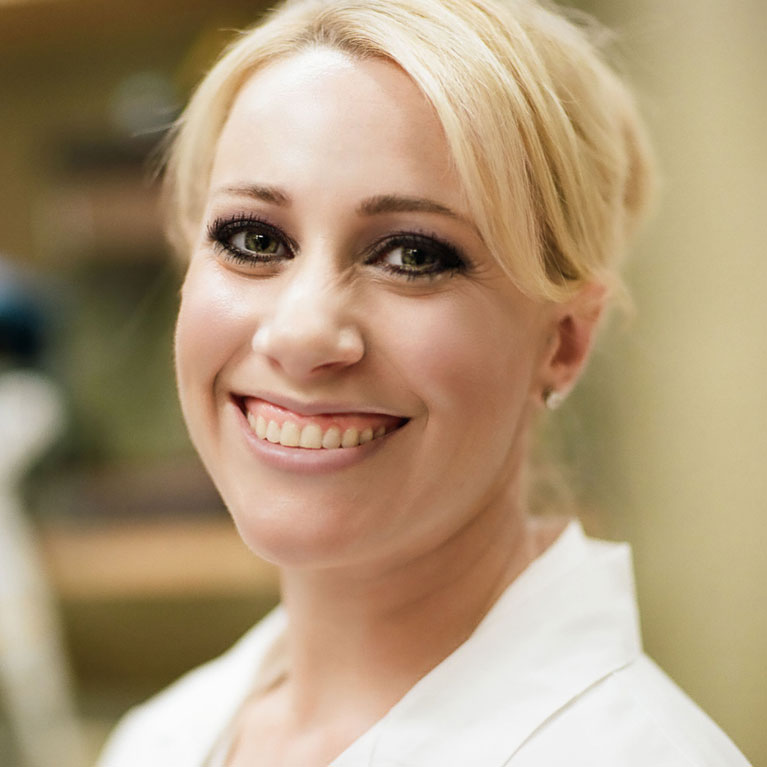
LA JOLLA—Associate Professor Janelle Ayres is the recipient of a $1 million grant from the W. M. Keck Foundation to study new ways to treat deadly infections including sepsis and the flu, both of which require novel therapies beyond antibiotics and antivirals to effectively combat.
LA JOLLA—One reason we’re supposed to eat a variety of colorful fruits and vegetables is because they contain nutritious compounds called antioxidants. These molecules counteract the damage to our bodies from harmful products of normal cells called reactive oxygen species (ROS).
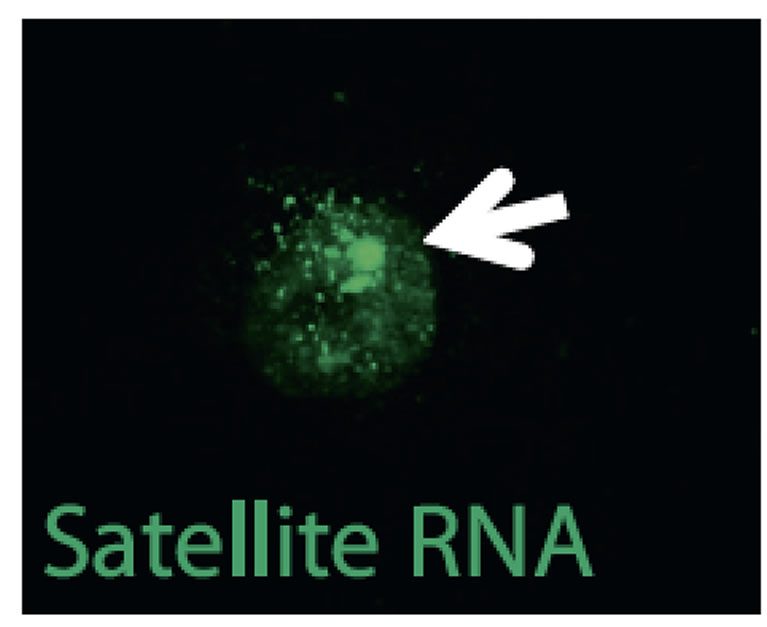
LA JOLLA—Only some of us have satellite TV in our homes, but all of us have satellite DNA in cells in our bodies. Working copies of satellite DNA (called satellite RNAs) are high in certain types of cancer, such as breast and ovarian. But whether they cause Krebs or merely coincide with it has been unclear.
LA JOLLA—Driving to work, typing an email or playing a round of golf—people perform actions such as these throughout the day. But neuroscientists are still unsure how the brain orchestrates complex actions or switches to a new action—behaviors that are impaired in disorders such as Parkinson’s disease or obsessive-compulsive disorder (OCD).
LA JOLLA—Salk Associate Professor Janelle Ayres has been named one of three winners of the Blavatnik National Awards for Young Scientists, one of the world’s largest unrestricted prizes for early career scientists. Ayres, the laureate in the life sciences category, will receive $250,000 for her pioneering research in physiology and the study of the how bacteria interact with humans. Ayres’ work is revolutionizing our understanding of host-pathogen interactions and has the potential to solve one of the greatest current public health threats: anti-microbial resistance.
LA JOLLA—Salk Institute scientists Ronald Evans, Diana Hargreaves, Tony Hunter, Graham McVicker und Geoffrey Wahl are among the first wave of researchers to receive funding from Padres Pedal the Cause, one of one of the largest stand-alone cancer fundraising events in San Diego. The nonprofit raised $2.4 million for cancer research in November 2017, thanks to the efforts of more than 3,000 bicycle riders, sponsors, volunteers and donors.
LA JOLLA—Eiman Azim, an assistant professor in Salk’s Molecular Neurobiology Laboratory, has received a McKnight Scholar Award from the McKnight Foundation. The award, which totals $225,000 over three years, encourages neuroscientists at early stages of their careers to focus on disorders of learning and memory. Each year it is awarded to no more than six neuroscientists.
LA JOLLA—Salk American Cancer Society Professor Tony Hunter has been awarded the 2018 Tang Prize in Biopharmaceutical Science.
LA JOLLA—Saket Navlakha, Assistant Professor im Salk Institute Laboratory für Integrative Biologie, ist einer von 22 Forschern, die 2018 zu Pew Scholars in the Biomedical Sciences ernannt wurden. Jeder Scholar erhält $300.000 über vier Jahre. Navlakha ist außerdem einer von fünf Pew Scholars, die für die Unterstützung durch den Kathryn W. Davis Peace by Pieces Fund ausgewählt wurden, der sich auf die Untersuchung von Gesundheitsproblemen im alternden Gehirn konzentriert.
On June 11, 2018, Salk’s Board of Trustees met to discuss the findings of the Institute’s investigation into allegations against Dr. Inder Verma. Our commitment from the outset has been to undertake an investigatory process that is thorough and impartial and to take action as appropriate. Although we will not comment on the details of this confidential personnel matter, we wanted to share with you the outcome of this process.
LA JOLLA—The Salk Institute has been ranked one of the top 5 nonprofit institutions in the world focused on the life sciences and one of the top 10 nonprofits generally, according to a report known as the Nature Index and released by Springer Nature on June 7, 2018. The rankings are based on Nature Index data from 1 January 2017 to 31 December 2017.
LA JOLLA—One of the many challenges in treating HIV is that the virus can lie dormant in cells, quietly evading immune detection until it suddenly roars to life without warning and begins replicating furiously. Salk Institute researchers discovered a small molecule called JIB-04 that destroys the HIV protein called Tat, responsible for revving up the virus.
LA JOLLA—Associate Professor Janelle Ayres is one of 31 US finalists selected to compete for the world’s largest unrestricted prizes for early career researchers, the Blavatnik National Awards for Young Scientists. The Blavatnik National Awards recognize both the past accomplishments and the future promise of the most talented scientific and engineering researchers aged 42 years and younger at America’s top academic and research institutions.
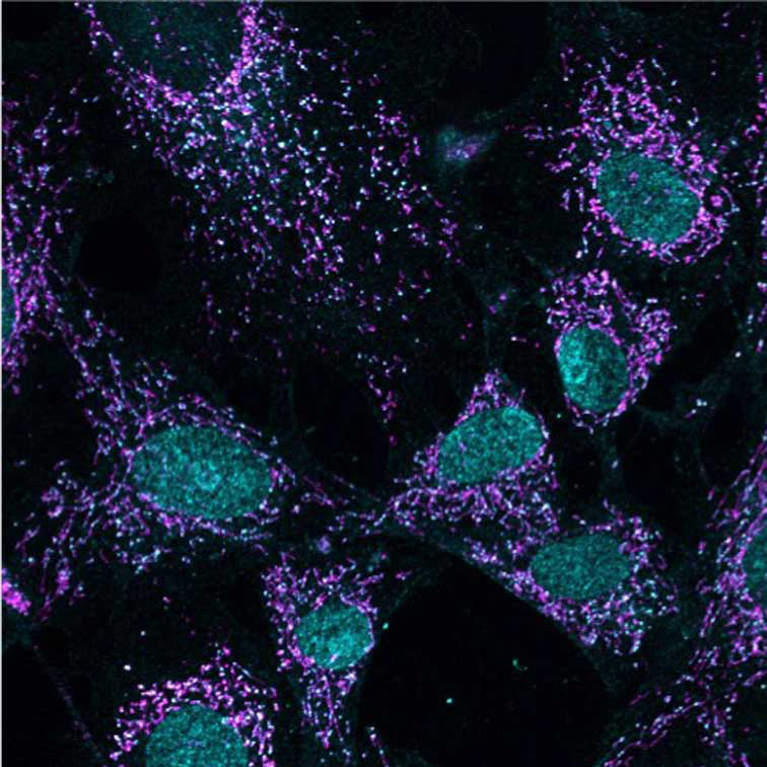
LA JOLLA—Defective energy production in old neurons might explain why our brains are so prone to age-related diseases. Salk researchers used a new method to discover that cells from older individuals had impaired mitochondria—the power stations of cells—and reduced energy production. A better understanding of the effects of aging on mitochondria could reveal more about the link between mitochondrial dysfunction and age-related brain diseases, such as Alzheimer's and Parkinson's.
LA JOLLA—The Salk Institute has received $1.5 million for research into the cellular underpinnings of Alzheimer’s disease from NANOS Co. Ltd. (“NANOS”), a company based in the Republic of Korea. The funds will establish a dedicated laboratory space called the NANOS Alzheimer’s Disease Stem Cell Suite, which will serve as a cell bank focused on Alzheimer’s. This cell bank will house both stem cells and somatic (body) cells from human donors, critical for analysis and testing of therapeutic drugs.
LA JOLLA—The Salk Institute for Biological Studies announced the hiring of Steven Johnson as its Senior Director of Communications to manage the communications and multimedia relations teams and to serve as the communications liaison to the Salk President.