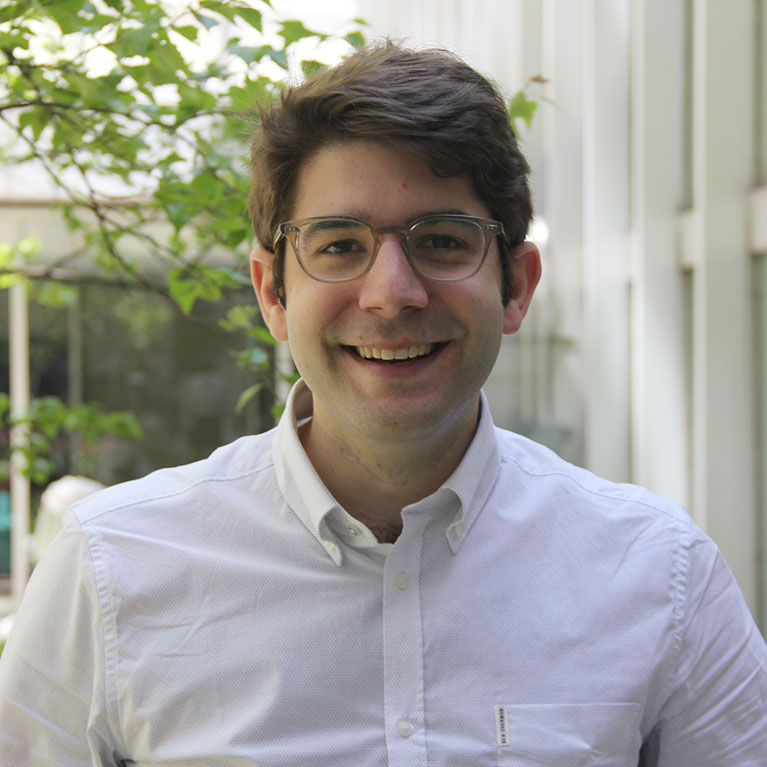
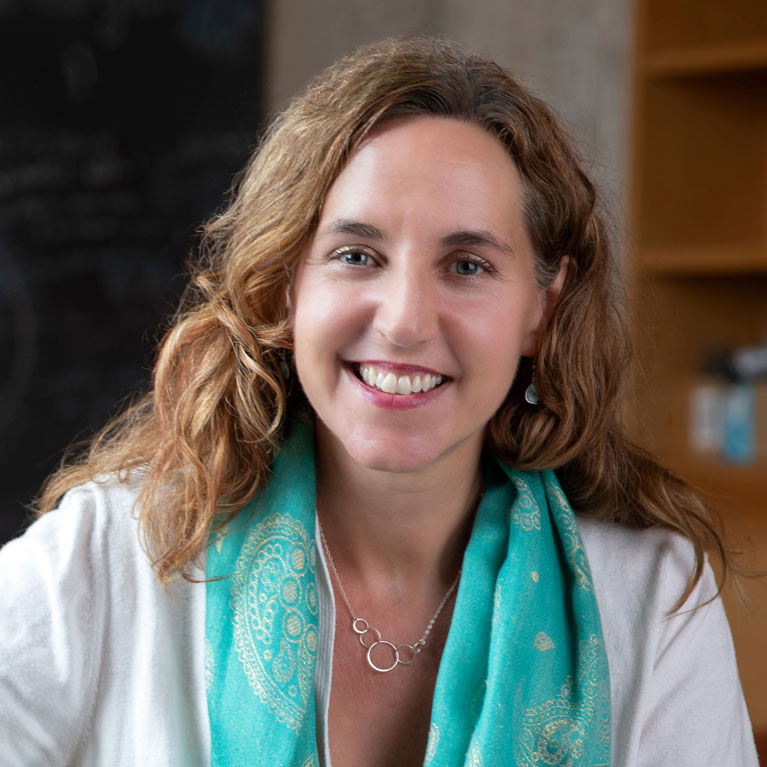
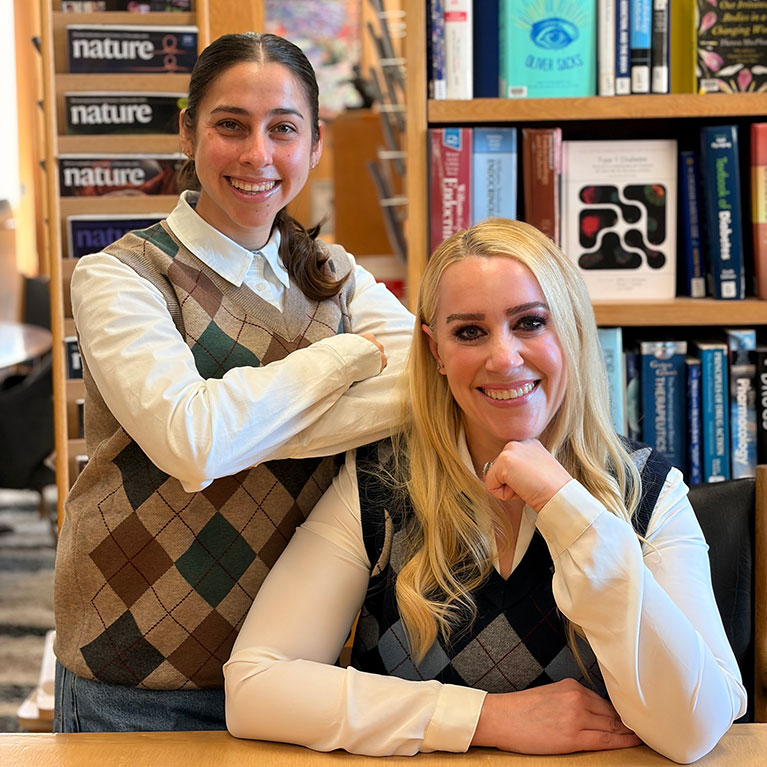
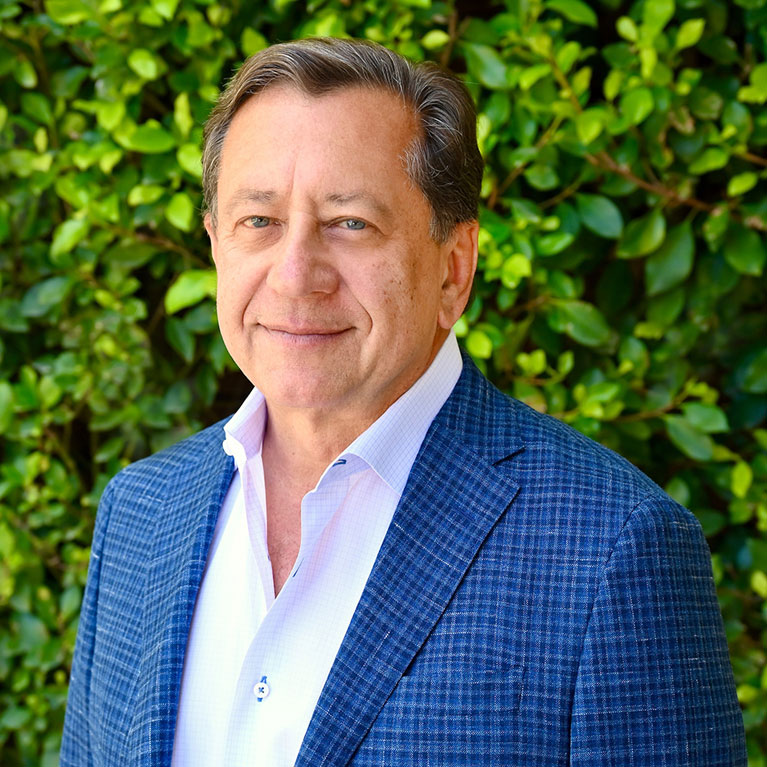
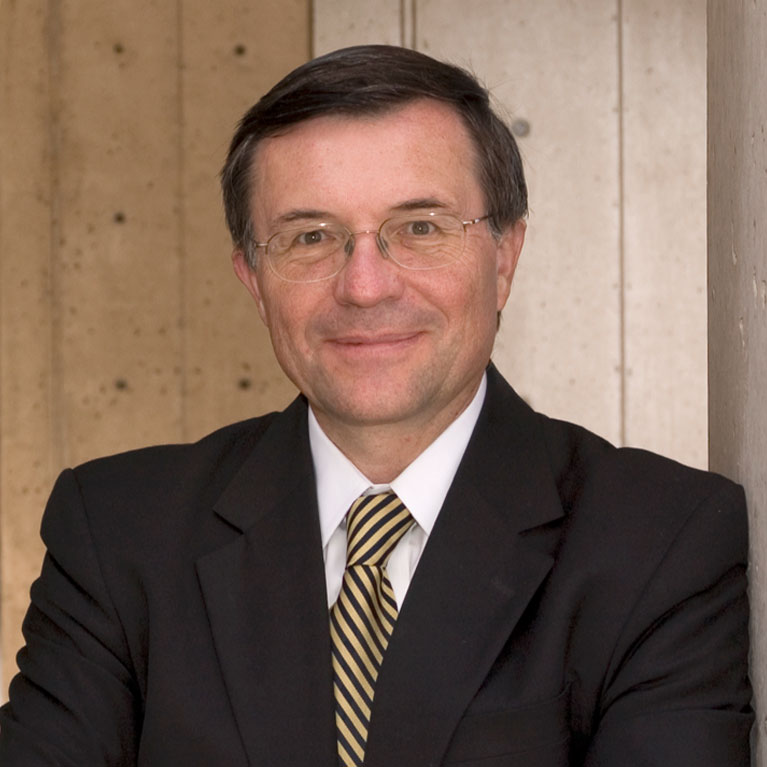
LA JOLLA – Das Salk Institute hat den weltweit renommierten Krebsforscher Thales “PapaG” Papagiannakopoulos, PhD, rekrutiert, der ab September 2026 als Professor zum Lehrkörper stößt. Papagiannakopoulos ist seit 2015 Mitglied der Fakultät an der NYU Grossman School of Medicine, wo er derzeit als befristeter außerordentlicher Professor am Institut für Pathologie der NYU Grossman School of Medicine und am Perlmutter Cancer Center tätig ist. Er wird dem Salk Institute zusätzliche Expertise in den Bereichen Stoffwechsel bei Krebs, Immunologie bei Krebs und Tumor-Wirt-Kommunikation verleihen und neue Kooperationsmöglichkeiten innerhalb des vom National Cancer Institute (NCI) anerkannten Krebszentrums des Salk Institute und im gesamten Institut eröffnen.
LA JOLLA – Molekularbiologe des Salk Gerald Shadel, PhD, und Neurowissenschaftler Tatyana Sharpee, PhD, wurden zu Fellow des Jahres 2025 der American Association for the Advancement of Science (AAAS) gewählt. Die Auszeichnung würdigt Wissenschaftler mit herausragenden wissenschaftlichen und sozialen Leistungen, und AAAS-Fellows werden für den Rest ihres Lebens zu nationalen und globalen wissenschaftlichen Sprechern.
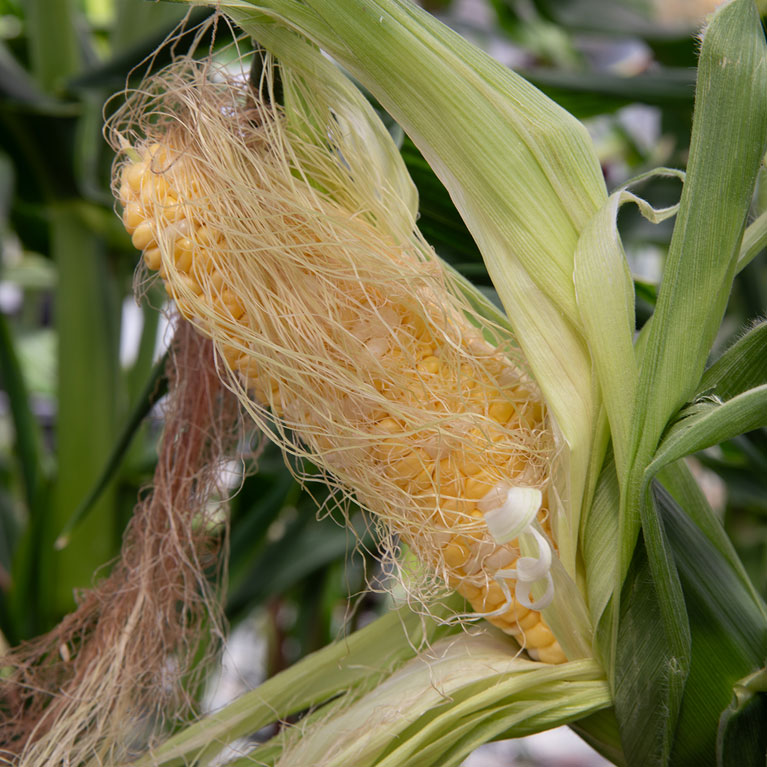
LA JOLLA - Die Vereinigten Staaten und Mexiko befinden sich seit der Jahrhundertwende in einer historischen Megadürre. Seit mehr als 25 Jahren ist der amerikanische Südwesten mit den schwerwiegenden sozialen und wirtschaftlichen Folgen dieser Megadürre konfrontiert - allein in Kalifornien werden im Jahr 2021 landwirtschaftliche Verluste in Höhe von $1,1 Mrd. entstehen. Wie können wir angesichts dieser Bedingungen den Nutzpflanzen helfen, die Dürre zu überstehen und gleichzeitig die Ertragsverluste zu minimieren?
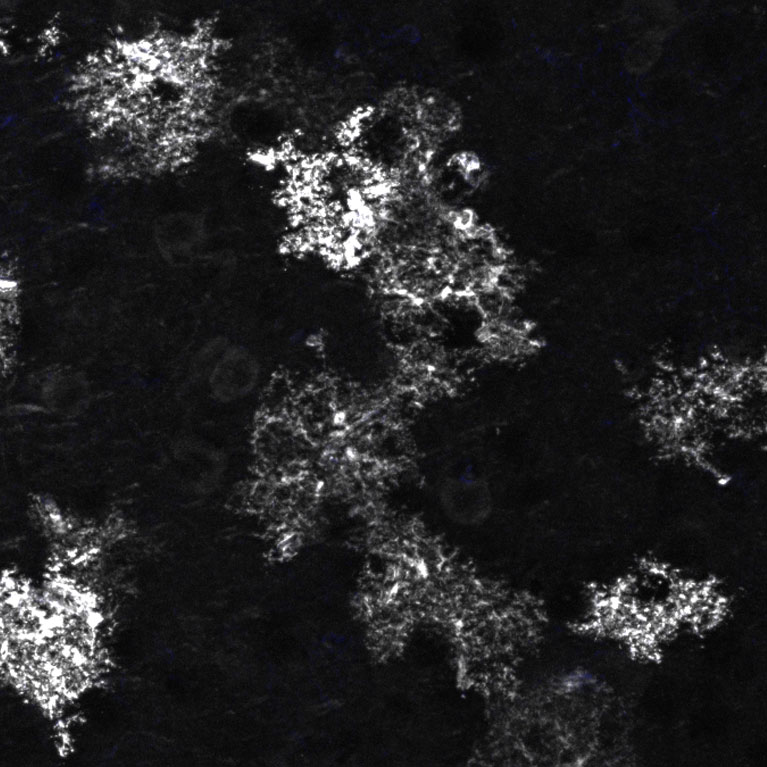
LA JOLLA—Neurodegenerative diseases affect more than 57 million people globally. The incidence of these diseases, from Alzheimer’s to Parkinson’s to ALS and beyond, is expected to double every 20 years. Though scientists know aging is a major risk factor for neurodegenerative diseases, the full mechanisms behind aging’s impact remain unclear.
LA JOLLA—In little moments like when sipping coffee or licking an ice cream cone, it doesn’t seem like your body is pulling off a biological miracle. But it is. That cookie is not you—yet when you put it in your mouth, your body is able to tolerate it and process it without any detriment to your health in a process called oral tolerance. How does the human body make that decision between tolerance and rejection?
LA JOLLA—GLP-1s are building a reputation as “wonder drugs.” First characterized for their ability to improve insulin release and treat diabetes, the drugs were later found to promote weight loss and improve cardiovascular health. In addition to these surprising bonus benefits is the ability of GLP-1 drugs to improve pancreatic beta cell health. But how, exactly, are they doing that?
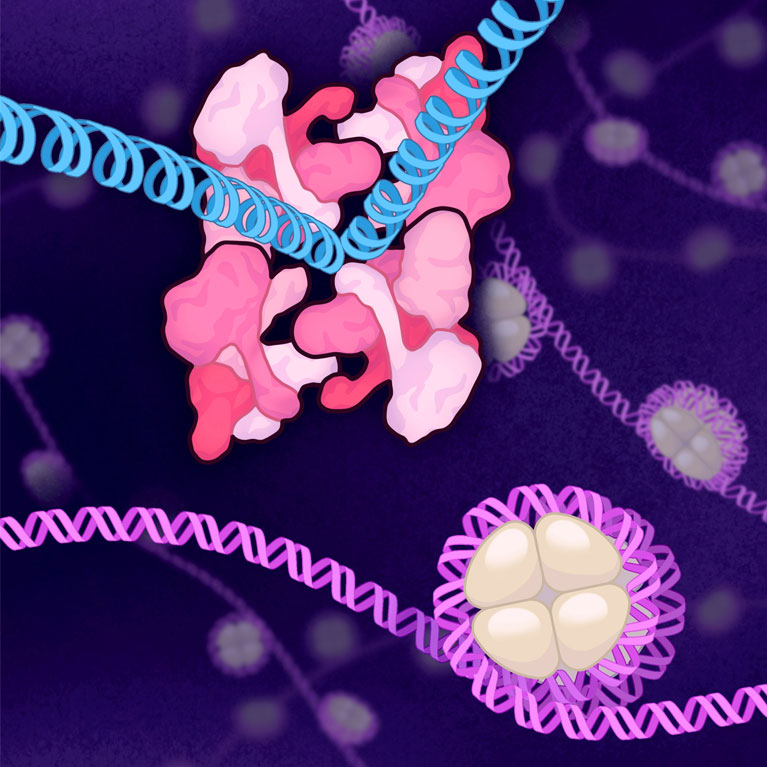
LA JOLLA—How does our DNA store the massive amount of information needed to build a human being? And what happens when it’s stored incorrectly? Jesse Dixon, MD, PhD, has spent years studying the way this genome is folded in 3D space—knowing that dysfunctional folding can cause cancers and developmental disorders, including autism-related disorders. The latest research from his lab adds to a growing understanding that the genome’s 3D organization is constantly in flux. Using different types of human cells, his lab showed that this dynamic genome unfolding and refolding process occurs at different rates in different parts of the genome, which, in turn, influences gene regulation and expression.
LA JOLLA—A multi-institutional study led by researchers at the Salk Institute for Biological Studies, UNC Lineberger Comprehensive Cancer Center, and UC San Diego has uncovered new genetic rules that determine how immune cells, known as CD8 “killer” T cells, choose between becoming long-lasting, protective defenders or slipping into exhausted, dysfunctional states. Turning off just two of these genes allowed exhausted T cells to regain their tumor-killing capacity.
LA JOLLA—The Salk Institute welcomes two new Nonresident Fellows, UC Berkeley professor Andrew Dillin, PhD, and UC San Diego professor Christopher Glass, MD, PhD. The two scientists join a group of eminent scientific advisors who guide Salk’s leadership.
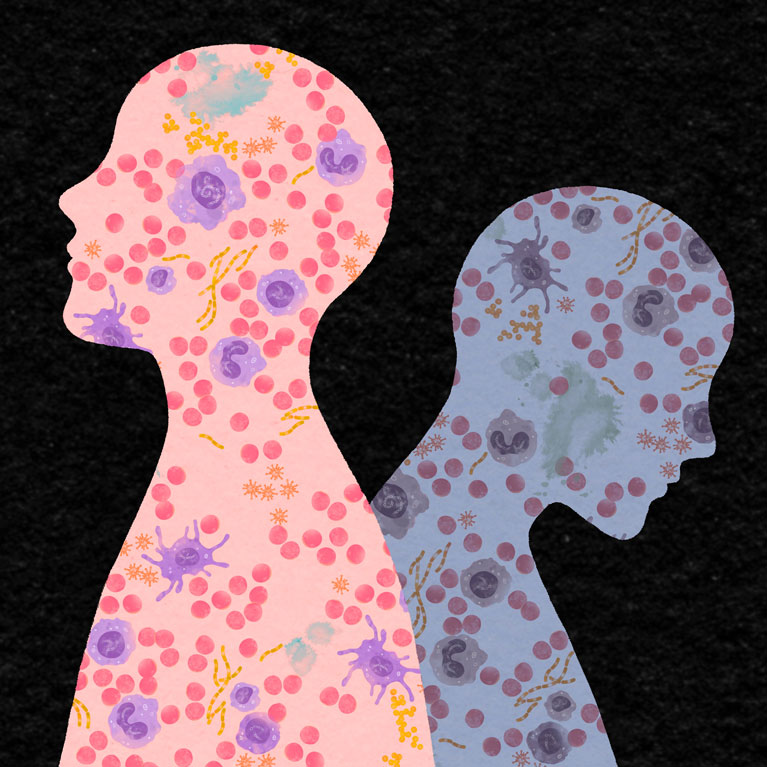
LA JOLLA—The COVID-19 pandemic gave us tremendous perspective on how wildly symptoms and outcomes can vary between patients experiencing the same infection. How can two people infected by the same pathogen have such different responses?
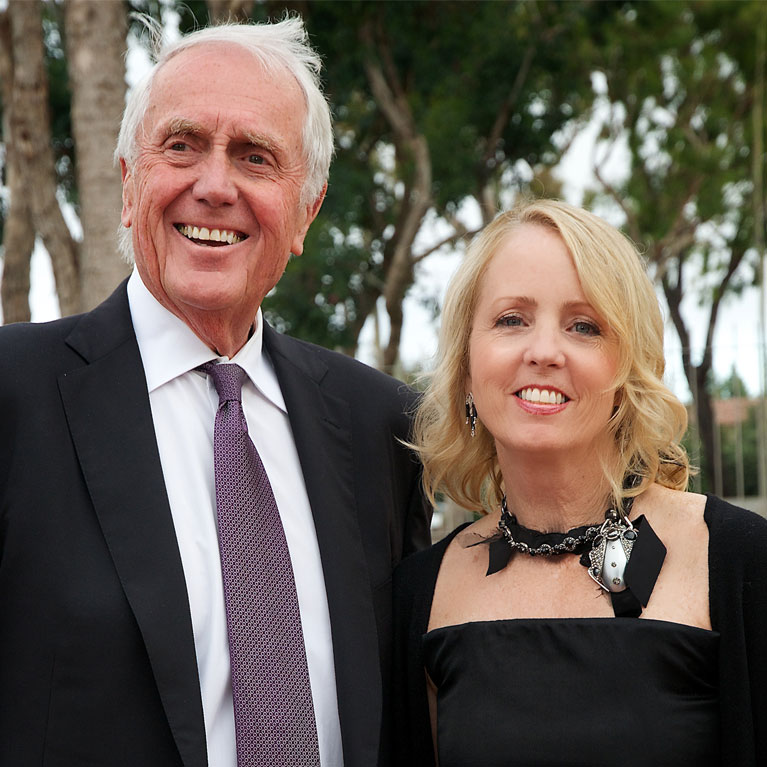
LA JOLLA—The Salk Institute mourns the passing of Harvey P. White (1934–2025), a distinguished leader, philanthropist, and dedicated supporter of the Institute. White died on December 18, 2025, at the age of 91.
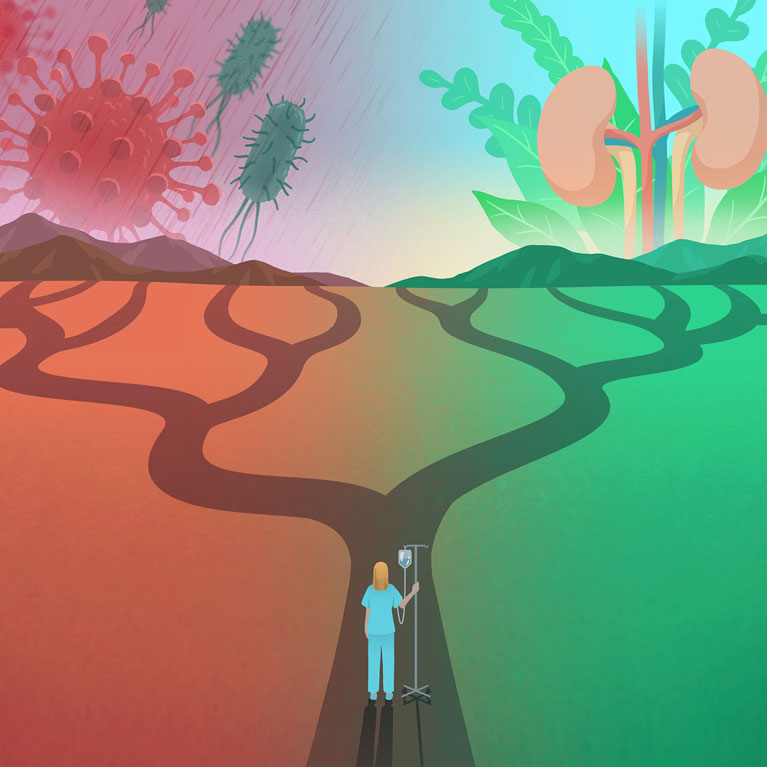
LA JOLLA—As soon as you are wounded—whether from grabbing a hot pan or contracting the flu—you begin a unique journey through variable symptoms toward either recovery or death. This journey is called your disease trajectory, and it varies from person to person based on history, sex, age, and many other factors. Salk scientist Janelle Ayres, PhD, has spent decades unraveling the ways the body directs this journey—why some get sick and die while others go unscathed, and what sorts of methods could be used to shift trajectories of disease and death to ones of health and survival.
LA JOLLA—Dealing with an infection isn’t as straightforward as simply killing the pathogen. The body also needs to carefully steer and monitor its immune response to prevent collateral damage. This regulation, called disease tolerance, is crucial to protecting our tissues while the immune system tackles the infection head-on.
LA JOLLA—Young minds are easily molded. Each new experience rewires a child’s brain circuitry, adding and removing synaptic connections between neurons. These wiring patterns become more stable with age, but biology has left some wiggle room to ensure that adult brains can still adapt and refine their circuitry as needed. This flexibility is called neuroplasticity, and our ability to learn, make new memories, and recover from injury all depend on it.
LA JOLLA—Physician, inventor, and venture capitalist Andrew “Drew” Senyei, MD, has been newly appointed to the Salk Institute’s Kuratorium. He will work alongside business and nonprofit leaders from around the world to advance Salk’s foundational and innovative biology research.
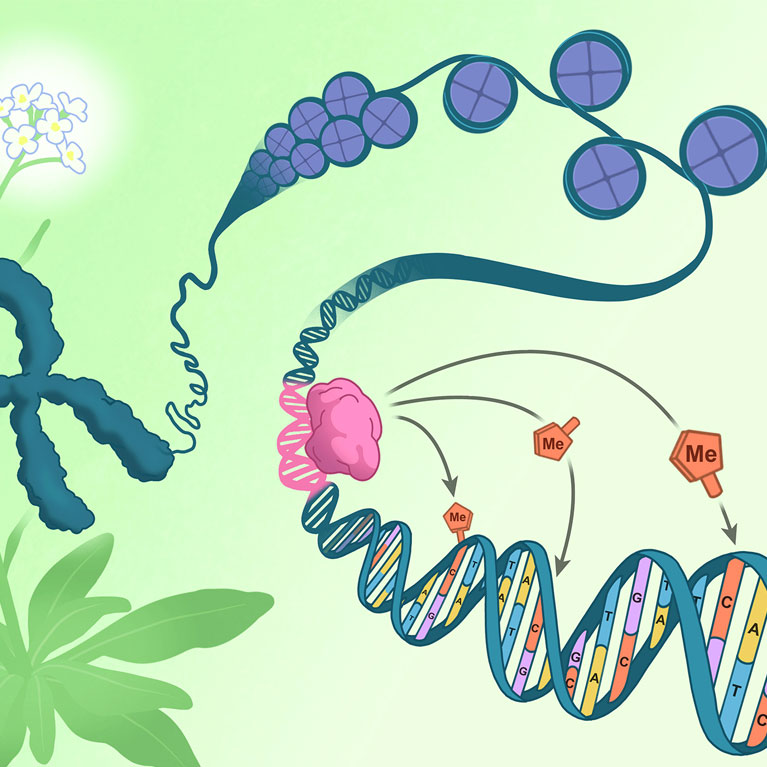
LA JOLLA—All the cells in an organism have the exact same genetic sequence. What differs across cell types is their epigenetics—meticulously placed chemical tags that influence which genes are expressed in each cell. Mistakes or failures in epigenetic regulation can lead to severe developmental defects in plants and animals alike. This creates a puzzling question: If epigenetic changes regulate our genetics, what is regulating them?
LA JOLLA—Salk faculty members Joseph Ecker, PhD, Ronald Evans, PhD, Rusty Gage, PhD, Christian Metallo, PhD, Satchidananda Panda, PhD, Reuben Shaw, PhD, and Kay Tye, PhD, as well as research assistant Joseph Nery have all been named in this year’s Highly Cited Researchers list by Clarivate. The 2025 list includes 6,868 researchers from 60 countries who have demonstrated “significant and broad influence in their fields of research.”
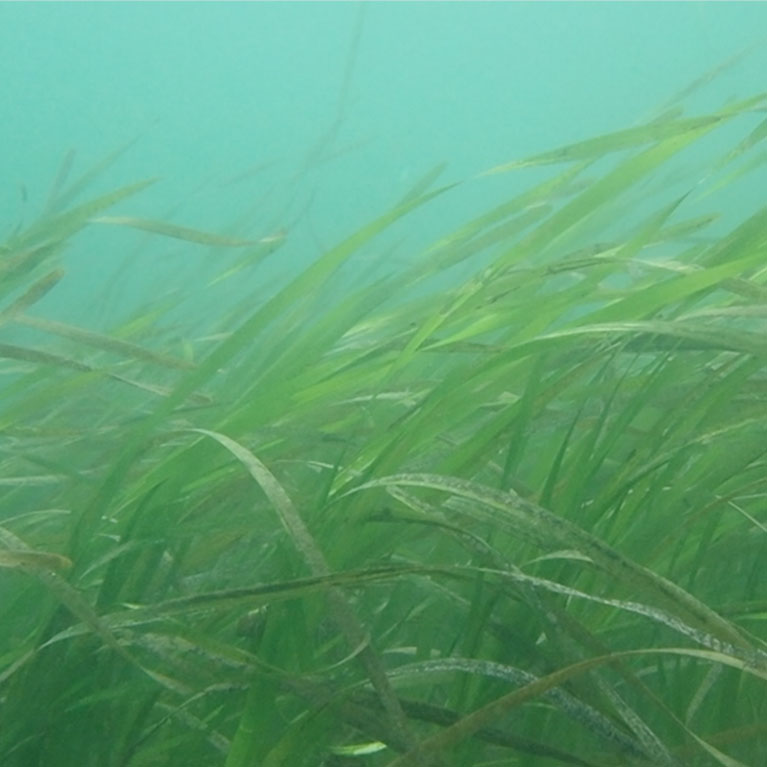
LA JOLLA—Seagrasses preserve our oceans, offering safe harbor for sea life, calming rough waters, and storing excess carbon dioxide. Dozens of seagrass species protect coastlines around the globe, including the common North American eelgrass, Zostera marina. But these beneficial underwater meadows are under threat from boating, dredging, disease, and extreme weather. Restoration efforts that simply replant more eelgrasses fail around half the time—so, what now?
LA JOLLA—The rate of HIV infection continues to climb globally. Around 40 million people live with HIV-1, the most common HIV strain. While symptoms can now be better managed with lifelong treatment, there is no cure to fully eliminate the virus from the body, so patients still often struggle with related health issues, side effects, social stigma, and drug resistance.
LA JOLLA—The National Institutes of Health (NIH) has selected Salk neuroscientist Terrence Sejnowski, PhD, to receive a 2025 NIH Director’s Pioneer Award. The prestigious award is given to scientists proposing exceptionally creative high-risk, high-reward research.