教授
植物生物学霍华德·H·纽曼和玛丽亚姆·R·纽曼椅

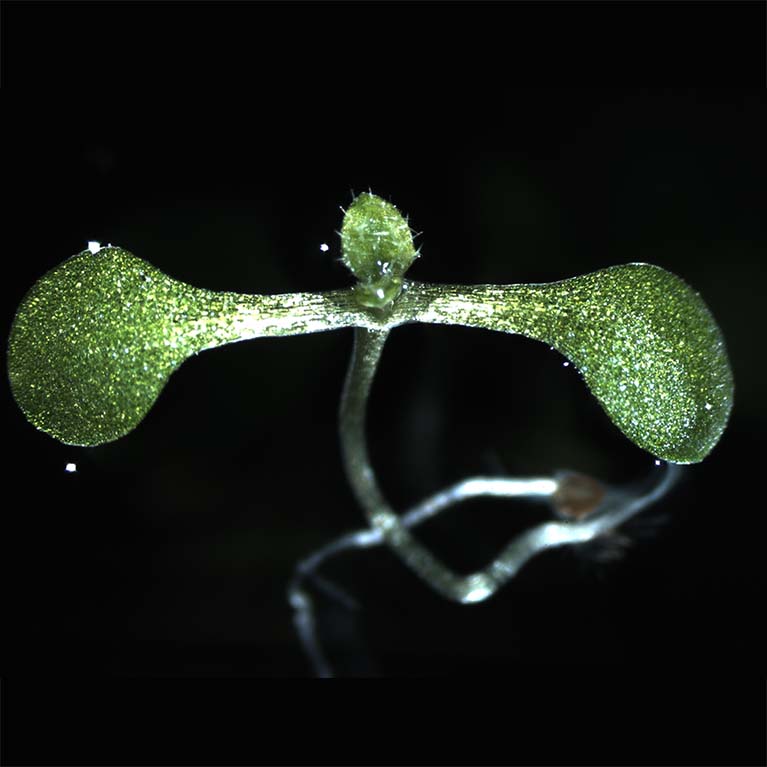
Plants must constantly adapt to their surroundings. They wait for the right temperature, light, nutrients, and water levels to trigger each developmental stage, shifting their priorities to align with their changing environment.
One of the biggest challenges in plant biology is understanding how plants sense and integrate these complex environmental signals and translate them into growth decisions. At the center of this signal integration is auxin, a hormone that regulates nearly every aspect of plant development. However, many of the systems that interact with auxin remain poorly understood. Without this core understanding, we face significant barriers in developing stronger crops that can thrive under changing climate and nutrient conditions.
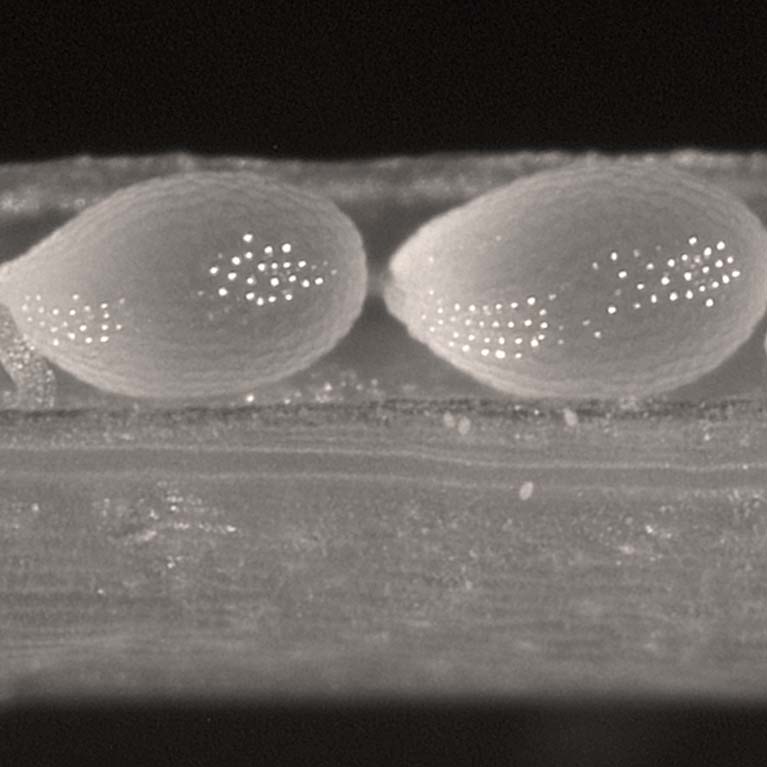
斯特雷德(Strader)研究植物如何整合环境信息与激素信号来塑造植物的生长和发育。她的实验室正在构建对植物激素反应时空调控的分子理解,特别是在基因转录调控方面。她采用跨学科的方法,结合植物生理学、遗传学、分子生物学、生物化学、结构生物学、生物物理学、系统生物学和合成生物学等技术,以理解生长素调控的机制。.
Strader的实验室也利用这些见解来开发更能抵御极端天气事件、更有效地利用养分、并在环境压力下产生稳定产量的更强健、更具韧性的作物。.
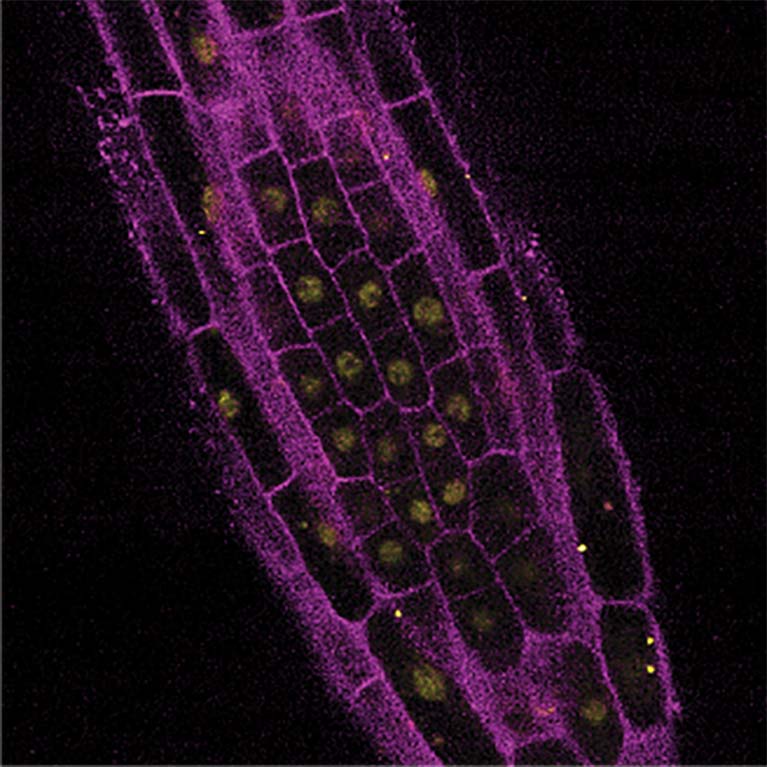
Strader’s team determined a mechanism for regulating the cell-type-specific auxin response, providing a tunable knob for plant growth.
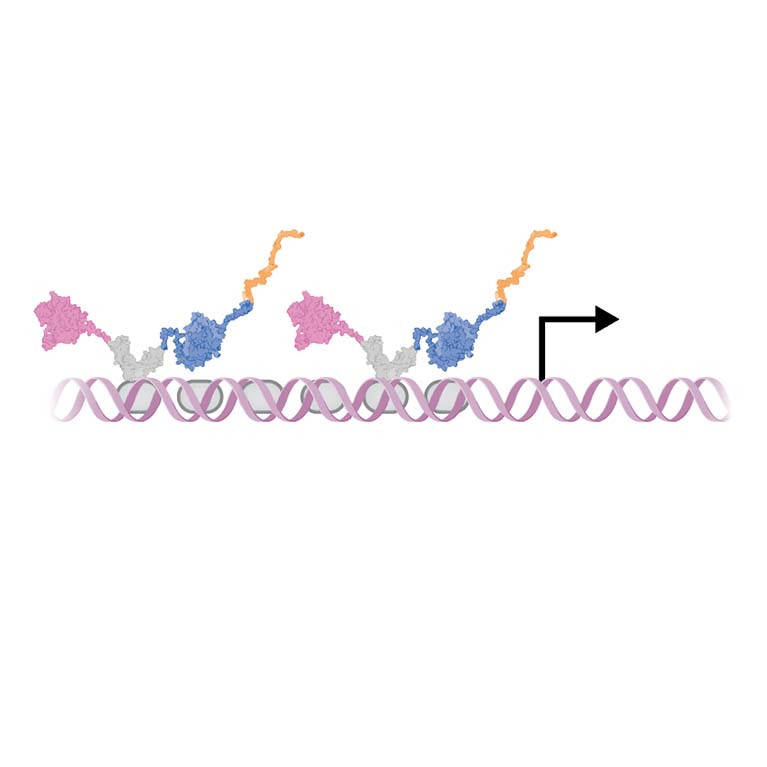
Strader identified the activation domains of all Arabidopsis transcription factors, explaining how these proteins ‘turn on’ genes in the plant.
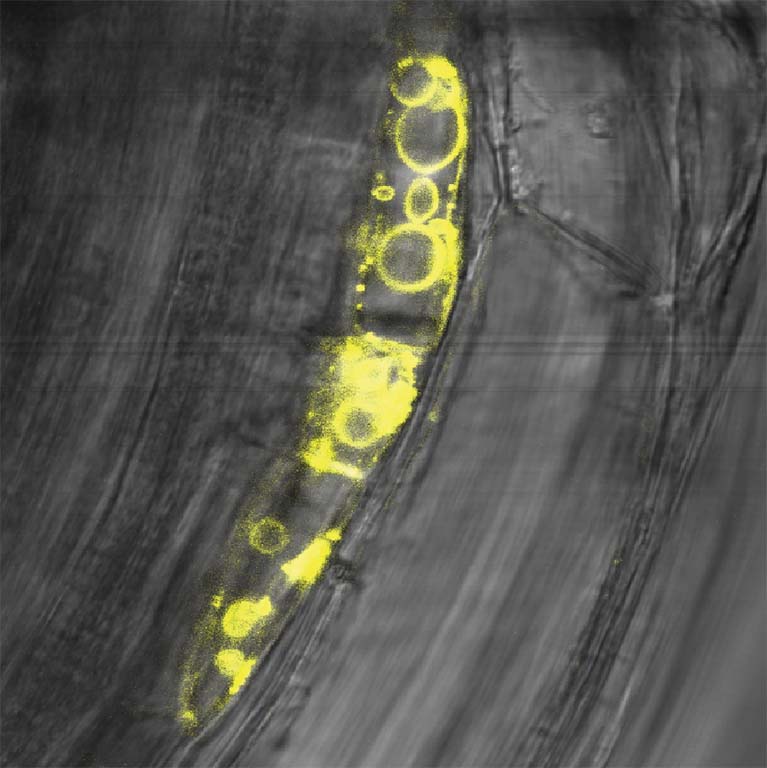
Strader的实验室已确定特定的生长素输入如何控制植物生长的不同方面。.
理学学士,农学,路易斯安那州立大学,巴吞鲁日,路易斯安那州
哲学博士,分子植物科学,华盛顿州立大学,普尔曼,华盛顿州
博士后研究员,生物化学与细胞生物学,莱斯大学,休斯顿,德克萨斯州