教授兼主任
杰克 H. 斯基尔鲍尔化学与蛋白质组学中心
亚瑟和朱莉·伍德罗椅

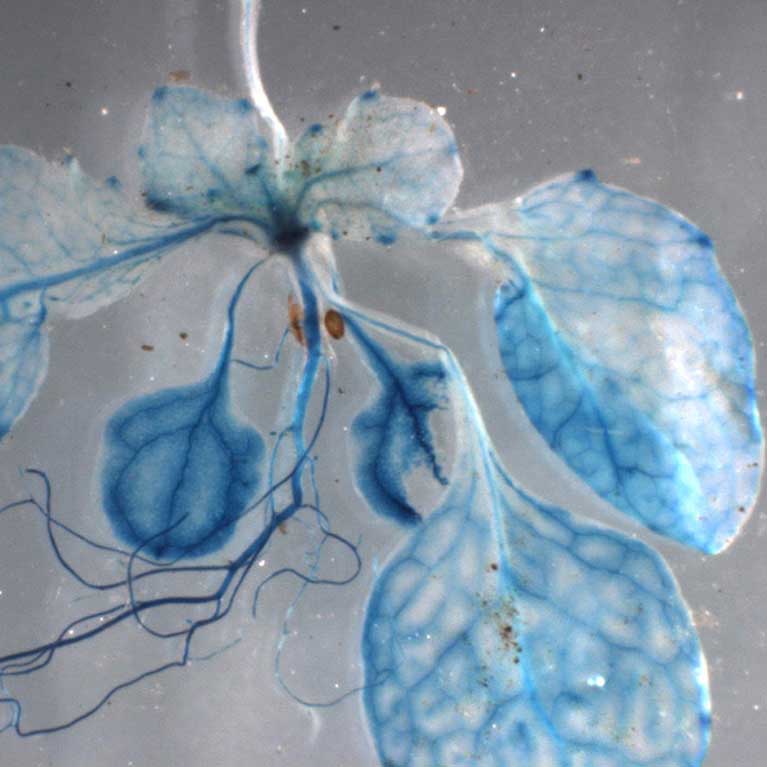
Plants use a remarkable diversity of capabilities to respond to their environment—they can sense light, water, chemicals, and even wind flows, and, in turn, speak with other plants and organisms in their environment using the language of chemistry. Over millions of years, plants evolved to harness the energy of the sun, survive in a myriad of challenging environments, absorb carbon dioxide (which most other organisms find toxic), and gather nutrients from decaying life in the soil—all while firmly planted in the ground. But farmers want to further improve how plants grow, fight off pests, generate natural medicines, and produce healthy food crops. To improve plants’ health and yield in globally sustainable ways, scientists first need to understand how plants have already optimized their biology and chemistry through the process of evolution over nearly 450 million years.
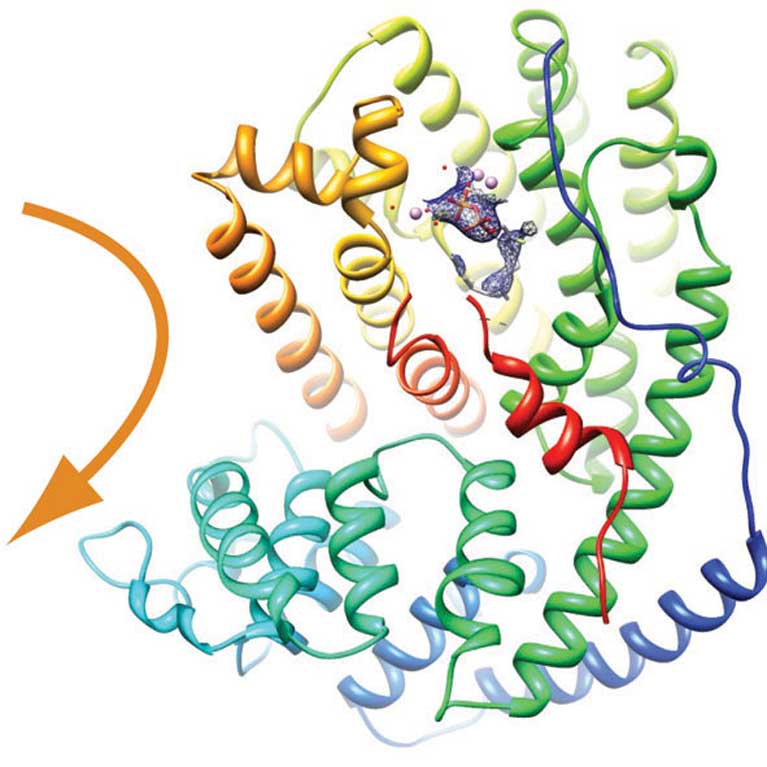
Joseph Noel studies the structure and chemistry of compounds produced by plants as well as how plants have evolved unique ways to make their own specialized products adapted to nearly every ecosystem on Earth. He uses biological assays to test how a plant’s behavior is altered by genetic changes. He also employs chemistry techniques to replicate a plant’s production pathways in the lab. The knowledge he gains includes clues about how to improve plants’ chemical reactions or increase their resiliency. For example, Noel has pieced the structure of a natural plant polymer known as suberin—commonly known as cork—that is rich in carbon atoms derived from the greenhouse gas carbon dioxide and also protects plants from environmental stressors including drought, floods, disease, and salt. Because these natural plant molecules are densely packed with carbon atoms and resist decomposition in soils, they enhance the vitality of soils and serve as carbon storage devices to possibly mitigate excess atmospheric carbon dioxide.
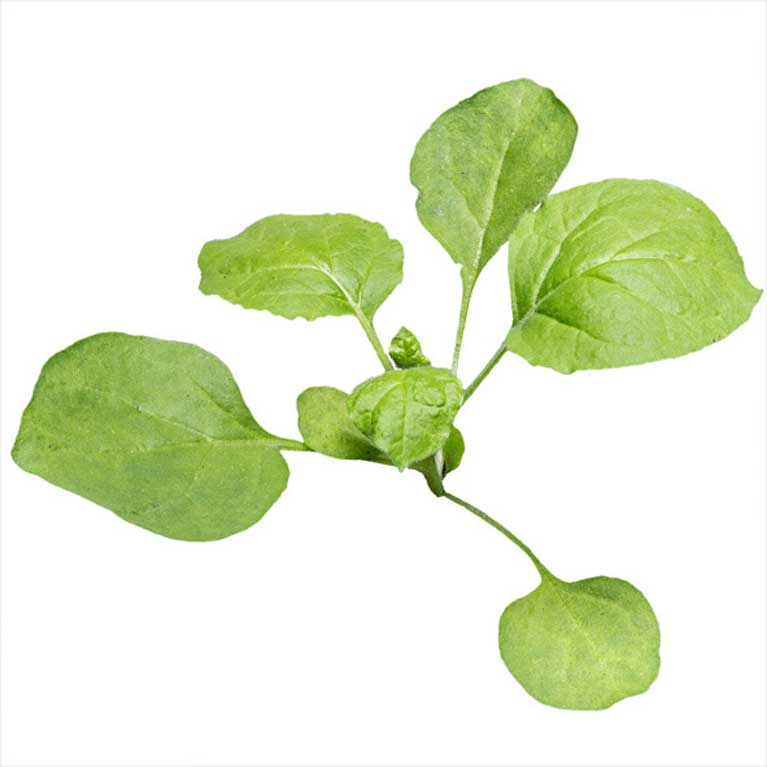
诺尔利用他在植物生物学和生物化学领域学到的技巧,改造了植物用来制造抗衰老化合物白藜芦醇的酶,白藜芦醇常见于红酒中。这项技术已被用于在其他植物中生产白藜芦醇和相关分子,以帮助它们在与环境病原体的持续斗争中武装自己,同时还为人类提供潜在的饮食益处。.
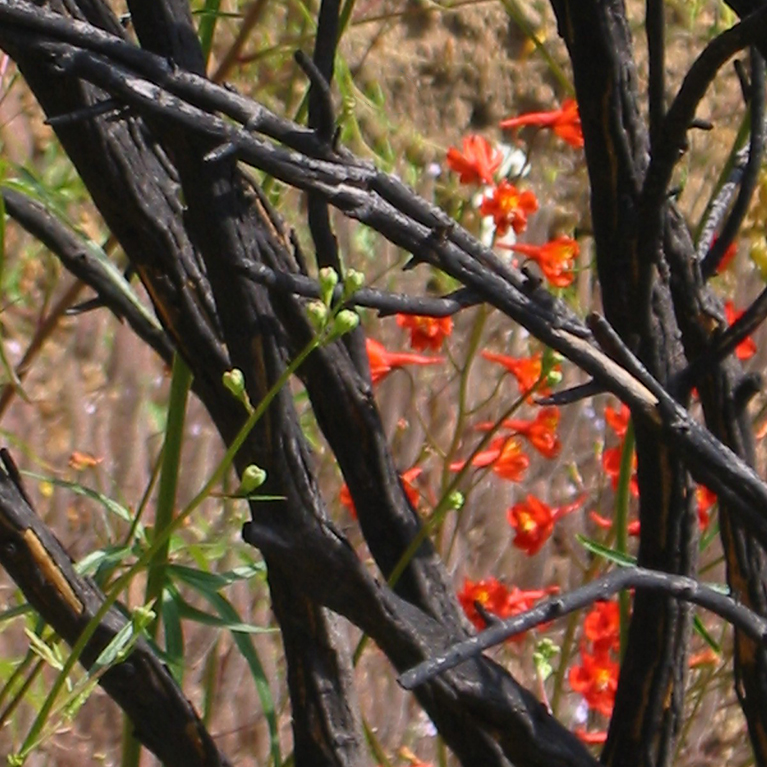
诺埃尔的团队揭示了一种在所有植物中都存在的天然碳储存装置——软木栓质——更完整的化学结构,解释了它为何能抵抗分解并保护植物免受多种环境胁迫。.
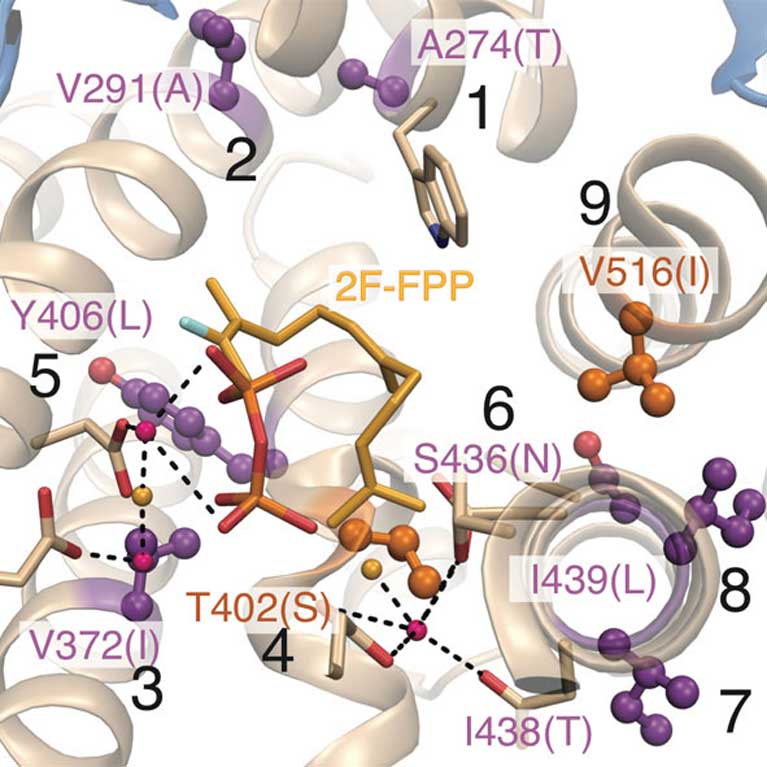
诺埃尔的团队揭示了一种名为查尔酮异构酶的酶是如何进化的,从而使植物能够制造出对其自身生存至关重要的产物。研究人员希望这些知识能够为制造有益于人类的产品提供信息,包括药物和改良作物。.
理学士,化学,匹兹堡大学约翰斯敦分校
俄亥俄州立大学 化学与生物化学博士
耶鲁大学博士后研究员
国家科学基金会博士后研究员
美国国立卫生研究院博士后研究员




