2026 年 2 月 4 日
Scientists discover “recipe” for reversing T cell exhaustion and restoring tumor-killing abilities
Scientists discover “recipe” for reversing T cell exhaustion and restoring tumor-killing abilities
拉霍亚—由萨克生物研究所、北卡罗来纳大学林伯格综合癌症中心和加州大学圣地亚哥分校的研究人员牵头的一项多机构研究,揭示了决定免疫细胞,即CD8“杀伤性”T细胞,如何在成为持久的保护性防御者或陷入疲惫、功能失调状态之间做出选择的新遗传规则。关闭其中仅两个基因就使疲惫的T细胞恢复了其杀死肿瘤的能力。.
The findings, published in Nature on January 28, 2026, establish a predictive framework that can help scientists intentionally program T cells to sustain immune memory while preserving their ability to fight cancer and infections, with broad implications for cancer immunotherapy and infectious disease research.
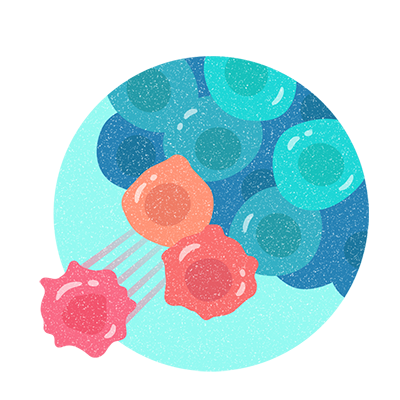
CD8 killer T cells play a central role in the immune system by seeking out and destroying virus-infected cells and cancer cells. However, during chronic infections or within tumors, these cells can gradually lose their killing capacity and enter an ineffective state known as T cell exhaustion.
Protective and exhausted CD8 T cell states can look very similar, so the researchers asked whether protective immune memory and dysfunction could be distinguished on a genetic level. A key advance in the study was the creation of a detailed genetic atlas of various CD8 T cell states, capturing how these immune cells change across a spectrum from highly protective to deeply dysfunctional.
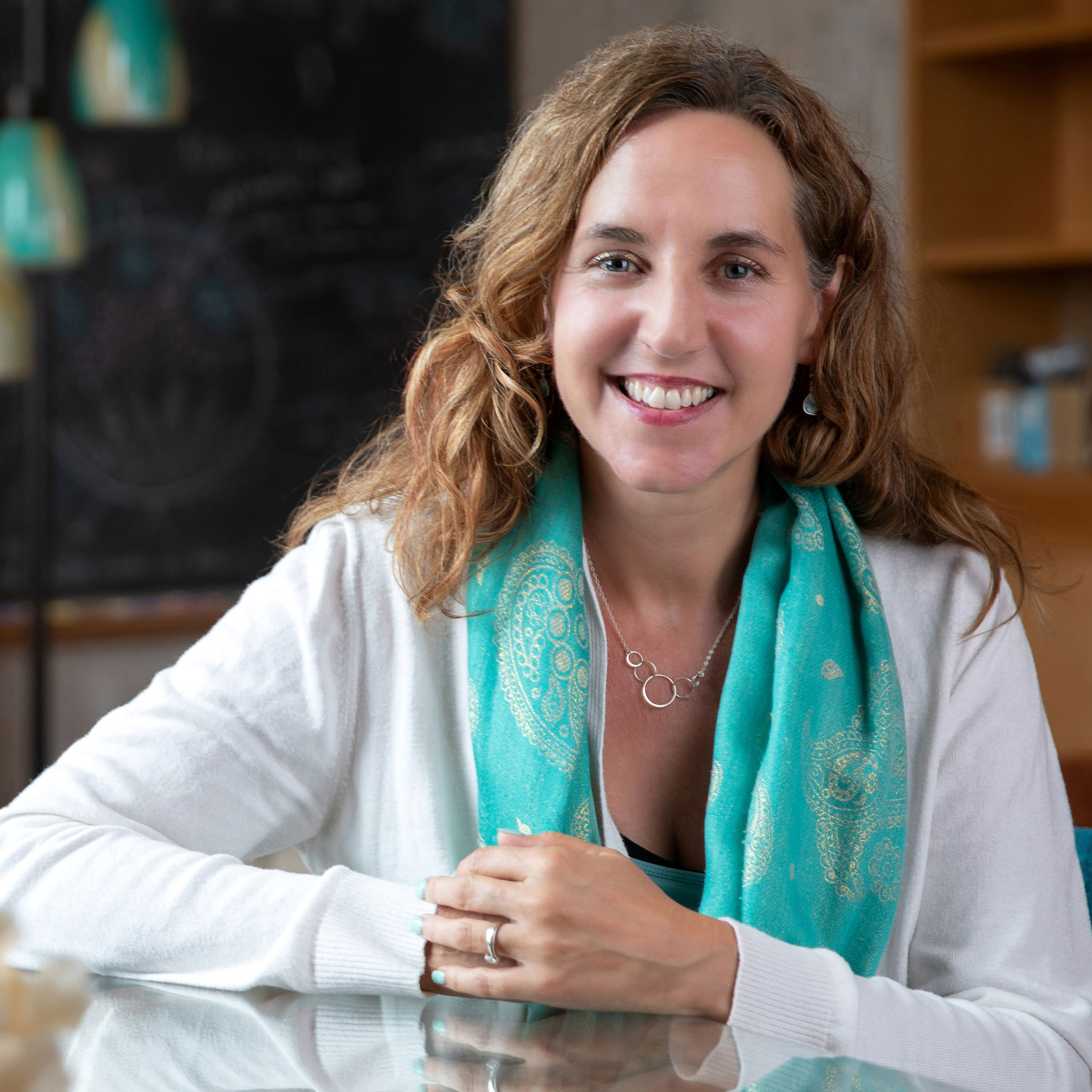
“Our long-term goal is to make immune therapies work better by creating clear ‘recipes’ for designing T cells,” says co-corresponding author 苏珊-凯奇,博士, a professor at the Salk Institute at the time of the study. “To do that, we first needed to identify which molecular ingredients are uniquely active in one T cell state but not others. By building a comprehensive atlas of CD8 T cell states, we were able to pinpoint the key factors that define protective versus dysfunctional programs—information that is essential for precisely engineering effective immune responses.”
Using advanced laboratory techniques, genetic tools, mouse models, and computational approaches, the researchers analyzed nine distinct CD8 T cell states. They identified specific transcription factors—proteins that control gene activity—that act like molecular switches, steering T cells toward either long-term function or exhaustion.
Among these, the team discovered two transcription factors, ZSCAN20 and JDP2, that had not previously been linked to T cell exhaustion. When the researchers turned these factors off, exhausted T cells regained their ability to kill tumors without losing their capacity for long-term immune memory.
“We flipped specific genetic switches in the T cells to see if we could restore their tumor-killing function without damaging their ability to provide long-term immune protection,” says co-corresponding author H. Kay Chung, PhD, an assistant professor at UNC Lineberger. Chung began this research at the Salk Institute before joining UNC. “We found that it was indeed possible to separate these two outcomes.”
The study challenges the long-standing belief that immune exhaustion is an unavoidable consequence of prolonged immune activity.
The researchers say this genetic atlas of T cell states could now guide the development of supercharged T cells for use in cellular therapies such as adoptive cell transfer (ACT) and CAR T cell therapy.
“Once we had this map, we could start giving T cells much clearer instructions—helping them keep the traits that allow them to fight cancer or infection over the long term, while avoiding the pathways that cause them to burn out,” says Kaech. “By separating these two programs, we can begin to design immune cells that are both durable and effective in cancer and chronic infection.”
The researchers say the findings should be especially relevant for treating solid tumors, where separating protective immune responses from exhaustion is critical for effective therapy.
Looking ahead, the team will combine advanced laboratory methods with AI-guided computational modeling to develop a larger number of precise genetic recipes for programming T cells into specific states, enabling greater precision for cellular therapies.
“Because genes work together in complex regulatory networks that are difficult to decipher, powerful computational tools are essential to pinpoint which regulators drive specific cell states,” says co-corresponding author Wei Wang, PhD, a professor at UC San Diego. “This study shows that we can begin to precisely manipulate immune cell fates and unlock new possibilities for enhancing immune therapies.”
By revealing how killer T cells choose between resilience and burnout, this research brings scientists closer to guiding the immune system with intention—rather than watching it fail under pressure.
Other authors include Eduardo Casillas, Ming Sun, Shixin Ma, Shirong Tan, Brent Chick, Victoria Tripple, Bryan McDonald, Qiyuan Yang, Timothy Chen, Siva Karthik Varanasi, Michael LaPorte, Thomas H. Mann, Dan Chen, Filipe Hoffmann, Josephine Ho, April Williams, and Diana C. Hargreaves of Salk; Cong Liu, Alexander N. Jambor, Z. Audrey Wang, Jun Wang, Zhen Wang, Jieyuan Liu, and Zhiting Hu of UC San Diego; Anamika Battu, Brandon M. Pratt, Fucong Xie, Brian P. Riesenberg, Elisa Landoni, Yanpei Li, Qidang Ye, Daniel Joo, Jarred Green, Zaid Syed, Nolan J. Brown, Matthew Smith, Jennifer Modliszewski, Yusha Liu, Ukrae H. Cho, Gianpietro Dotti, Barbara Savoldo, Jessica E. Thaxton, and J. Justin Milner of UNC; Peixiang He, Longwei Liu, and Yingxiao Wang of University of Southern California; and Yiming Gao of Texas A&M University.
The work was supported by the National Institutes of Health (R37AI066232, R01AI123864, R21AI151986, R01CA240909, R01AI150282, R01HG009626, K01EB034321, R01AI177864, R01CA248359, R01CA244361, AI151123, EB029122, GM140929) and the Damon Runyon Cancer Research Foundation.
DOI: 10.1038/s41586-025-09989-7
JOURNAL
Nature
AUTHORS
H. Kay Chung, Cong Liu, Anamika Battu, Alexander N. Jambor, Brandon M. Pratt, Fucong Xie, Brian P. Riesenberg, Eduardo Casillas, Ming Sun, Elisa Landoni, Yanpei Li, Qidang Ye, Daniel Joo, Jarred Green, Zaid Syed, Nolan J. Brown, Matthew Smith, Shixin Ma, Shirong Tan, Brent Chick, Victoria Tripple, Z. Audrey Wang, Jun Wang, Bryan McDonald, Peixiang He, Qiyuan Yang, Timothy Chen, Siva Karthik Varanasi, Michael LaPorte, Thomas H. Mann, Dan Chen, Filipe Hoffmann, Josephine Ho, Jennifer Modliszewski, April Williams, Yusha Liu, Zhen Wang, Jieyuan Liu, Yiming Gao, Zhiting Hu, Ukrae H. Cho, Longwei Liu, Yingxiao Wang, Diana C. Hargreaves, Gianpietro Dotti, Barbara Savoldo, Jessica E. Thaxton, J. Justin Milner, Susan M. Kaech, and Wei Wang.
Office of Communications
Tel: (858) 453-4100
press@salk.edu
The Salk Institute is an independent, nonprofit research institute founded in 1960 by Jonas Salk, developer of the first safe and effective polio vaccine. The Institute’s mission is to drive foundational, collaborative, risk-taking research that addresses society’s most pressing challenges, including cancer, Alzheimer's disease, and agricultural vulnerability. This foundational science underpins all translational efforts, generating insights that enable new medicines and innovations worldwide.