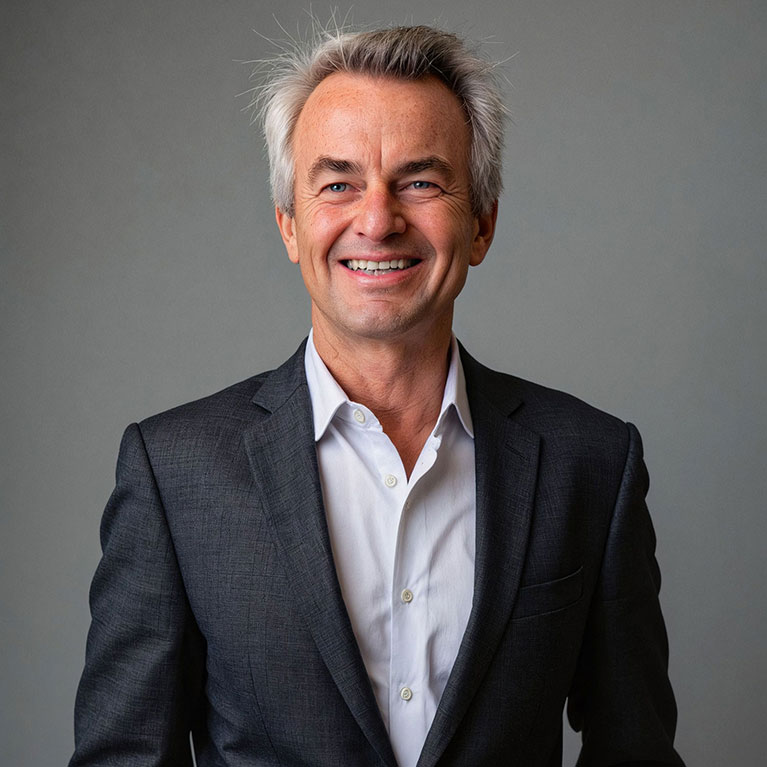
LA JOLLA—The Salk Institute has named Michelle Chamberlain as Vice President of External Relations. She will assume the role on April 2, 2025.
LA JOLLA—Antidepressants like Prozac are commonly prescribed to treat mental health disorders, but new research suggests they could also protect against serious infections and life-threatening sepsis. Scientists at the Salk Institute have now uncovered how the drugs are able to regulate the immune system and defend against infectious disease—insights that could lead to a new generation of life-saving treatments and enhance global preparedness for future pandemics.
LA JOLLA—The Salk Institute is proud to celebrate Professor Tony Hunter’s 50 years as a cancer biology pioneer whose fundamental discoveries have inspired the development of more than 80 cancer drugs. Since joining the Institute’s faculty in February 1975, Hunter has been a cornerstone of the Salk community, contributing to transformational discoveries and mentoring more than 100 trainees, many of whom have also become scientific leaders.
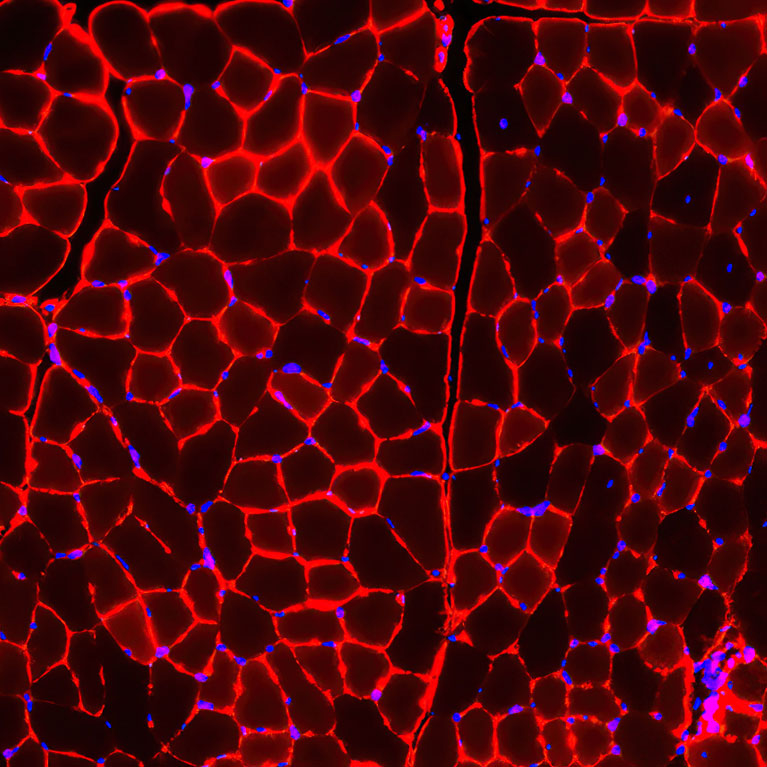
LA JOLLA—About one in eight adults in the United States has tried or currently uses a GLP-1 medication, and a quarter of those users cite weight loss as their main goal. But weight loss doesn’t discriminate between fat and muscle. Patients using GLP-1 drugs can experience rapid and substantial muscle loss, accounting for as much as 40% of their total weight loss. So how can we lose weight without also losing critical muscle?
LA JOLLA—The Salk Institute today announced the appointment of Fred Luddy, founder of ServiceNow, to its Board of Trustees.
LA JOLLA—The Salk Institute has named plant geneticist Detlef Weigel a Nonresident Fellow, making him a member of the group of eminent scientific advisors who guide the Institute’s leadership. Weigel is a director and scientific member at the Max Planck Institute for Biology Tübingen in Germany, as well as an adjunct professor at the Salk Institute and University of Tübingen.
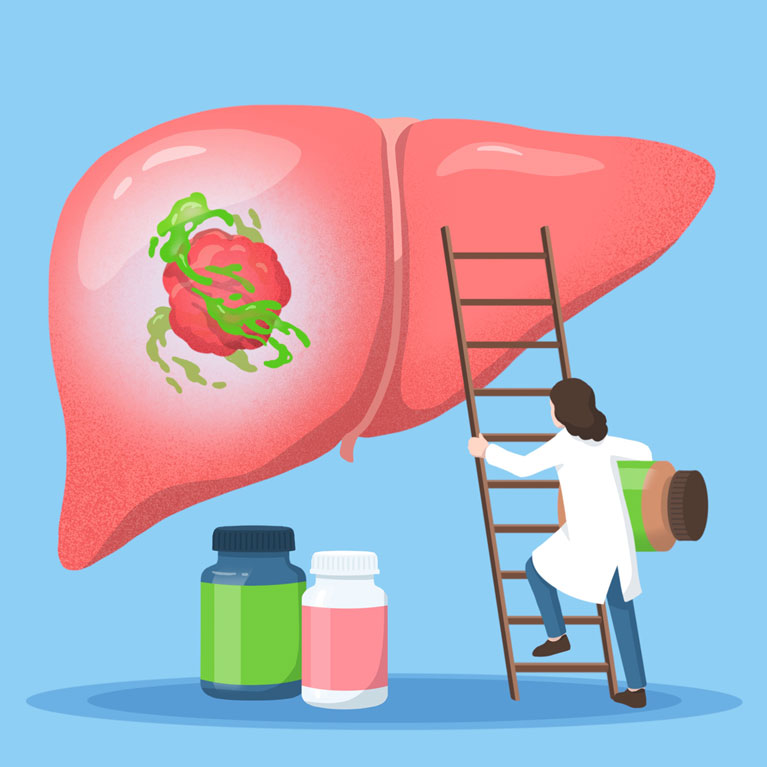
LA JOLLA—Immunotherapy is a modern approach to cancer treatment that uses a patient’s own immune system to help fight tumors. It has made an incredible impact on treating cancers in many different organ systems, including the lung, kidney, and bladder—but for other cancers, such as liver cancer, the therapy has been much less effective. This discrepancy is especially concerning as liver cancer rates have nearly tripled in the last 40 years.
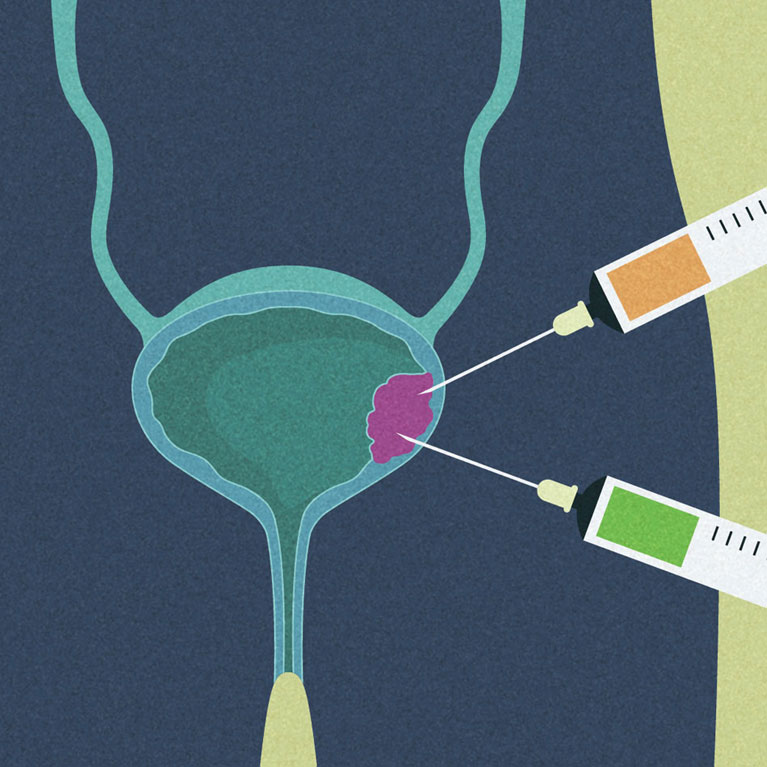
LA JOLLA—Like all cancers, bladder cancer develops when abnormal cells start to multiply out of control. But what if we could put a lid on their growth?
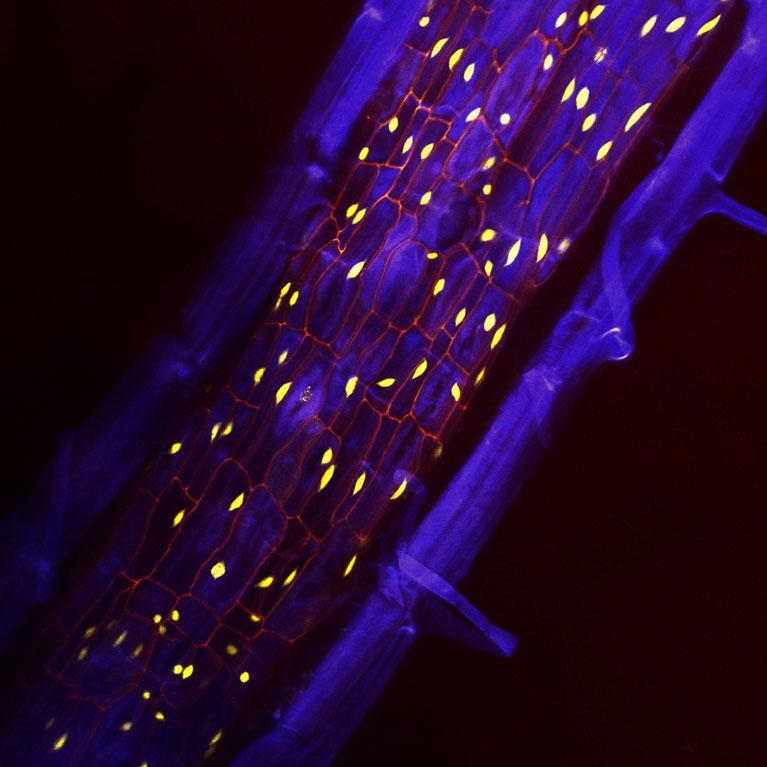
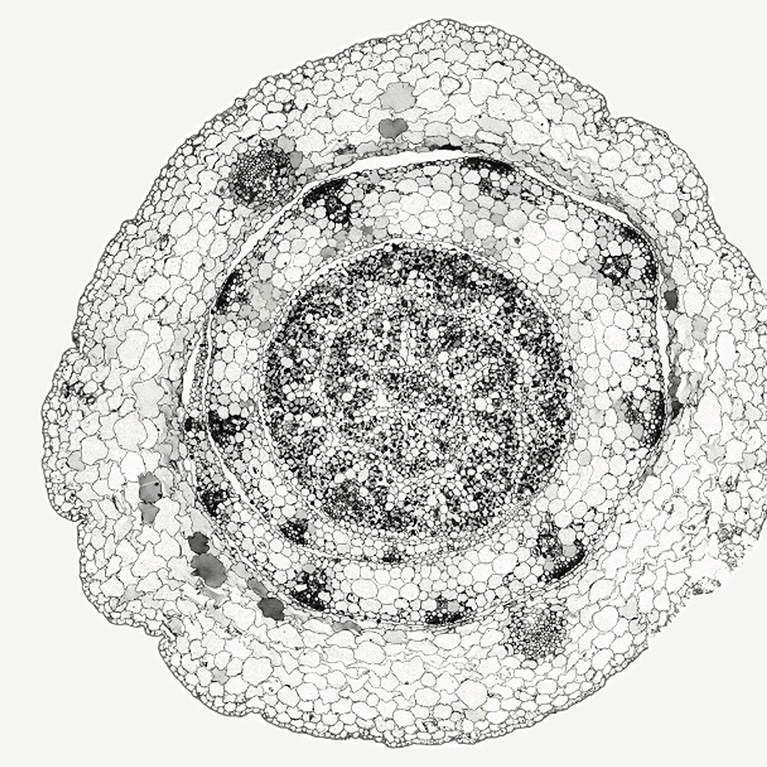
LA JOLLA—Plants may burrow into the ground and stretch toward the sun, but they’re ultimately stuck where they sprout—at the mercy of environmental threats like temperature, drought, and microbial infection. To compensate for their inability to up and move when danger strikes, many plants have evolved ways to protect themselves by altering their physiology, such as building armor around parts of their body and roots called the periderm. However, since many plant biologists who study tissue development look at young plants, later-in-life periderm development has remained relatively unexplored.
LA JOLLA—Human bodies defend themselves using a diverse population of immune cells that circulate from one organ to another, responding to everything from cuts to colds to cancer. But plants don’t have this luxury. Because plant cells are immobile, each individual cell is forced to manage its own immunity in addition to its many other responsibilities, like turning sunlight into energy or using that energy to grow. How these multitasking cells accomplish it all—detecting threats, communicating those threats, and responding effectively—has remained unclear.
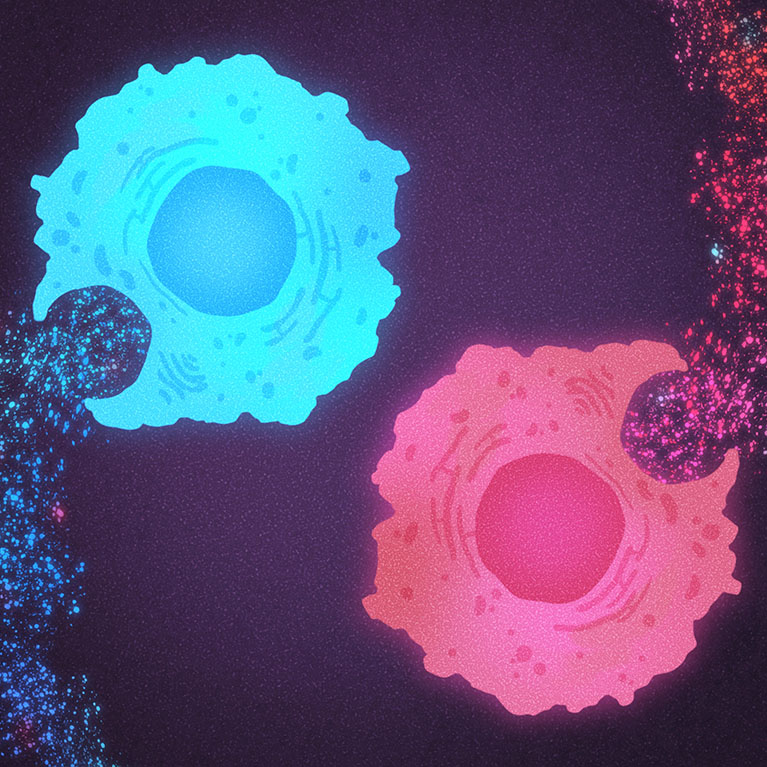
LA JOLLA—The decision between scrambled eggs or an apple for breakfast probably won’t make or break your day. However, for your cells, a decision between similar microscopic nutrients could determine their entire identity. If and how nutrient preference impacts cell identity has been a longstanding mystery for scientists—until a team of Salk Institute immunologists revealed a novel framework for the complicated relationship between nutrition and cell identity.
LA JOLLA—More than 3 billion years ago, on an Earth entirely covered with water, photosynthesis first evolved in little ancient bacteria. In the following many millions of years, those bacteria evolved into plants, optimizing themselves along the way for various environmental changes. This evolution was punctuated around 30 million years ago with the emergence of a newer, better way to photosynthesize. While plants like rice continued using an old form of photosynthesis known as C3, others like corn and sorghum developed a newer and more efficient version called C4.
LA JOLLA—Salk Professors Joseph Ecker, Ronald Evans, Rusty Gage, Satchidananda Panda, Reuben Shaw, and Kay Tye, as well as research assistant Joseph Nery, have all been named to the Highly Cited Researchers list by Clarivate. The 2024 list includes 6,636 researchers from 59 countries who have demonstrated “significant and broad influence in their fields of research,” as reflected by their publication of multiple papers over the past decade that rank in the top 1% by citations for their fields.
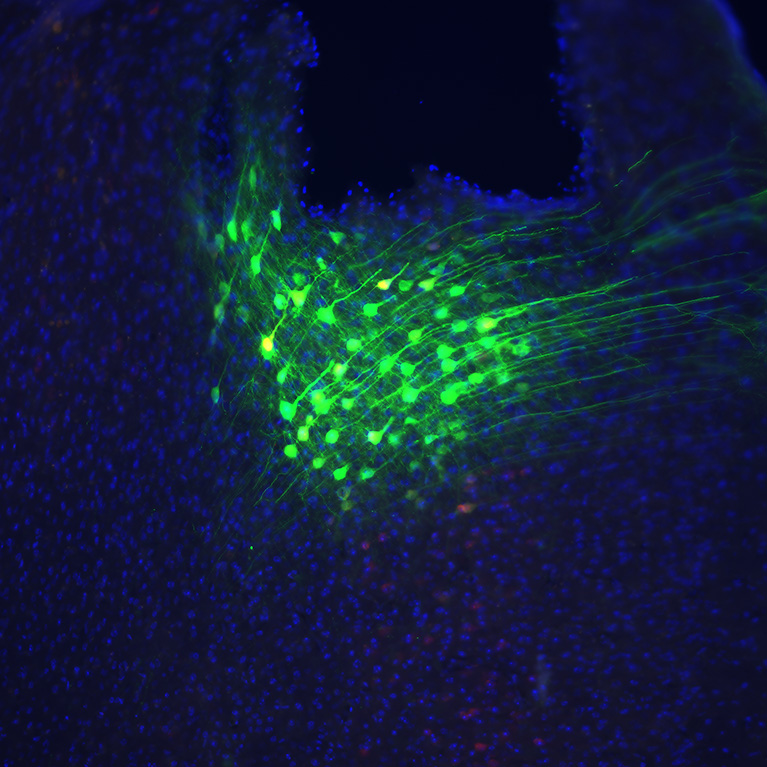
LA JOLLA—Deep breath in, slow breath out… Isn’t it odd that we can self-soothe by slowing down our breathing? Humans have long used slow breathing to regulate their emotions, and practices like yoga and mindfulness have even popularized formal techniques like box breathing. Still, there has been little scientific understanding of how the brain consciously controls our breathing and whether this actually has a direct effect on our anxiety and emotional state.
LA JOLLA—Excess cholesterol is known to form artery-clogging plaques that can lead to stroke, arterial disease, heart attack, and more, making it the focus of many heart health campaigns. Fortunately, this attention to cholesterol has prompted the development of cholesterol-lowering drugs called statins and lifestyle interventions like dietary and exercise regimens. But what if there’s more to the picture than just cholesterol?
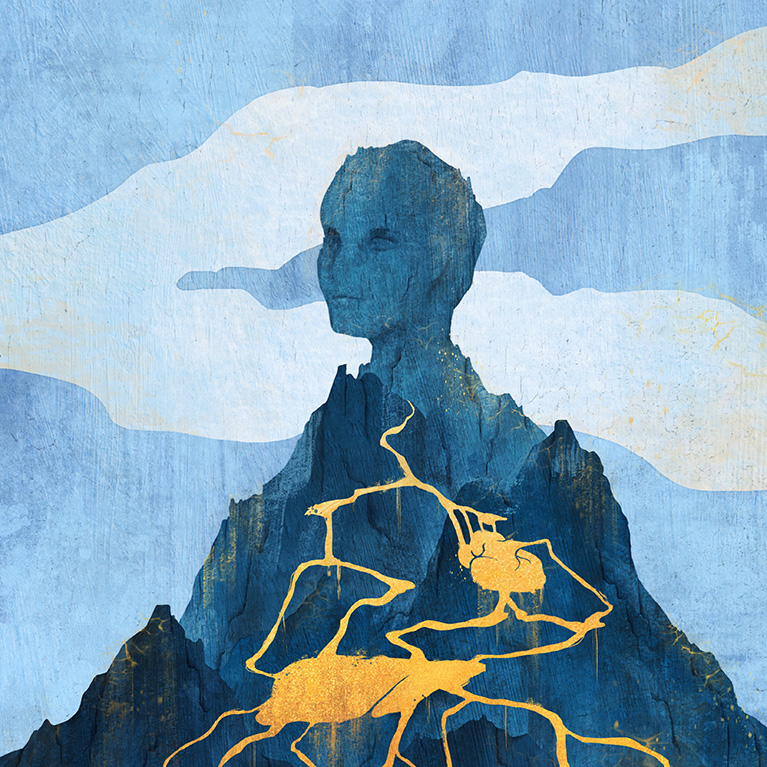
LA JOLLA—Profesor del Salk Joanne Chory, una de las biólogas vegetales más importantes del mundo, quien lideró la iniciativa para mitigar el cambio climático con soluciones basadas en plantas, falleció el 12 de noviembre de 2024, a los 69 años, debido a complicaciones de la enfermedad de Parkinson. Le diagnosticaron Parkinson en 2004 y, a pesar de los desafíos, continuó liderando su equipo de investigación hasta el momento de su muerte.
LA JOLLA—The Salk Institute has appointed Suzanne Page as Vice President and Chief Operating Officer (COO). She assumed the position on October 14, succeeding Kim Witmer, who retired after serving 39 years at the Institute.
LA JOLLA—Just like your left and right hand exist as mirror images of each other, many biological molecules have their own form of left- and right-handedness, called chirality. Our DNA, for example, is made of right-handed chiral molecules which combine to form a right-handed double helix. The left-handed version would look like its mirror image, forming a helix that spins in the opposite direction.
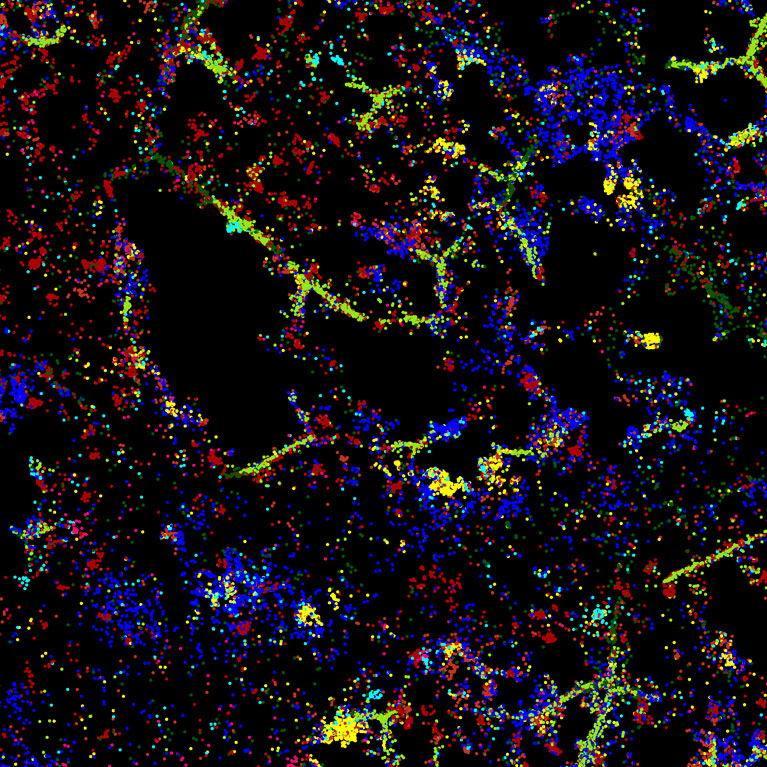
LA JOLLA. Un nuevo estudio ha proporcionado una perspectiva sin precedentes sobre cómo evoluciona la regulación génica durante el desarrollo del cerebro humano, demostrando el papel crítico que desempeña la estructura tridimensional de la cromatina (ADN y proteínas). Este trabajo ofrece nuevas perspectivas sobre cómo el desarrollo temprano del cerebro moldea la salud mental a lo largo de la vida.
LA JOLLA—The National Institutes of Health (NIH) has selected Salk Associate Professor Nicola Allen to receive a 2024 NIH Director’s Pioneer Award. The award recognizes exceptionally creative scientists pursuing highly innovative research and groundbreaking approaches to major challenges in biomedical, behavioral, or social sciences.