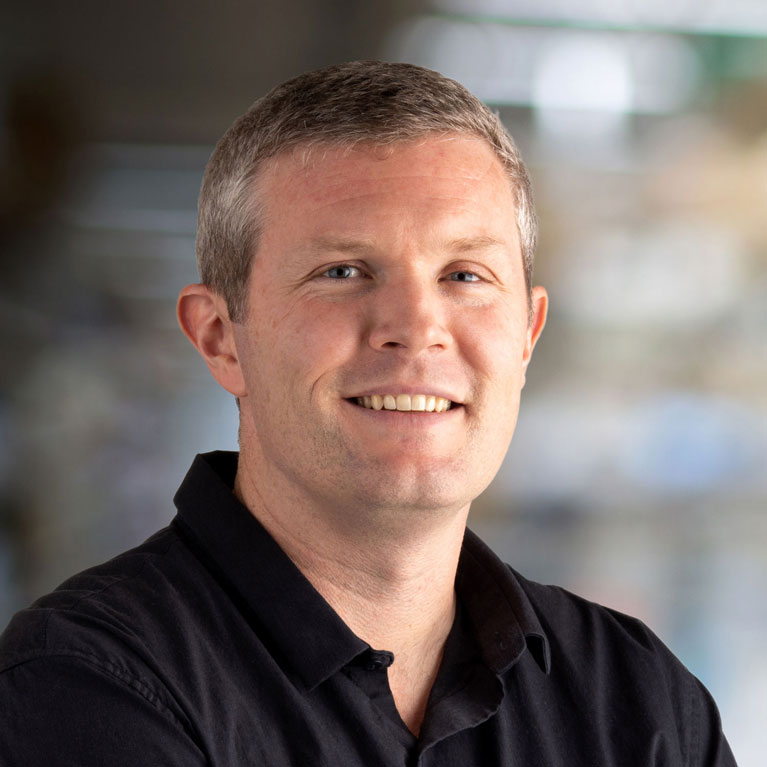
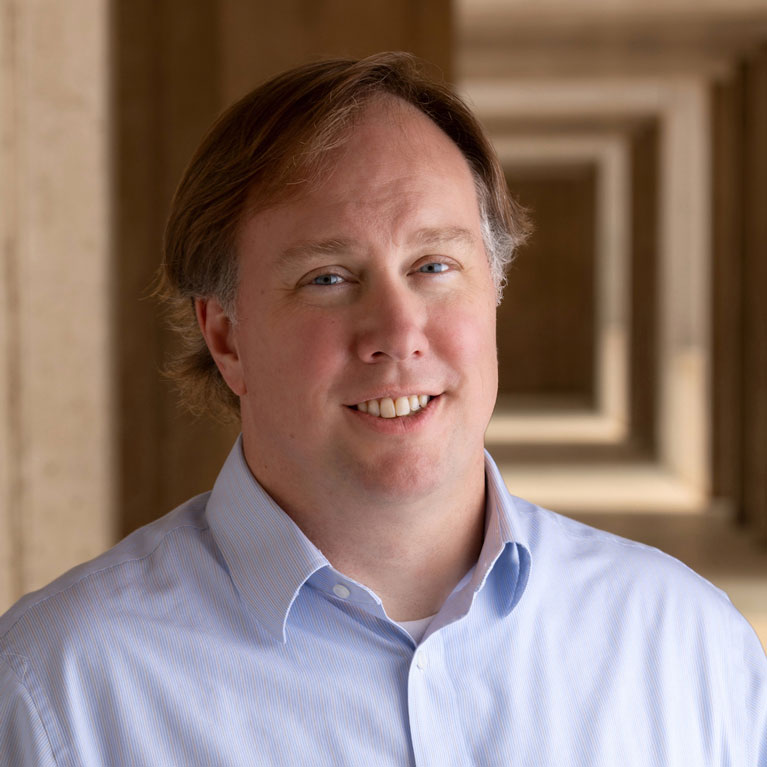
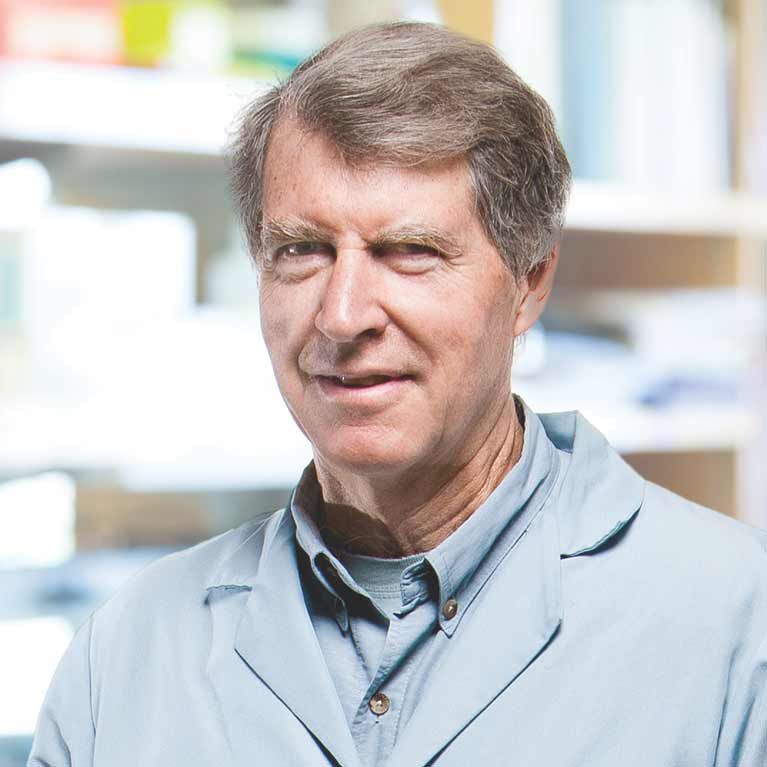
LA JOLLA—The Salk Institute has appointed molecular biologist Jesse Dixon to the rank of assistant professor for his significant work in uncovering how the human genome, the DNA blueprint for life, is organized in three-dimensional space inside of cells. The appointment was based on recommendations by Salk faculty, and approved by Salk President Rusty Gage y la Junta Directiva del Instituto.
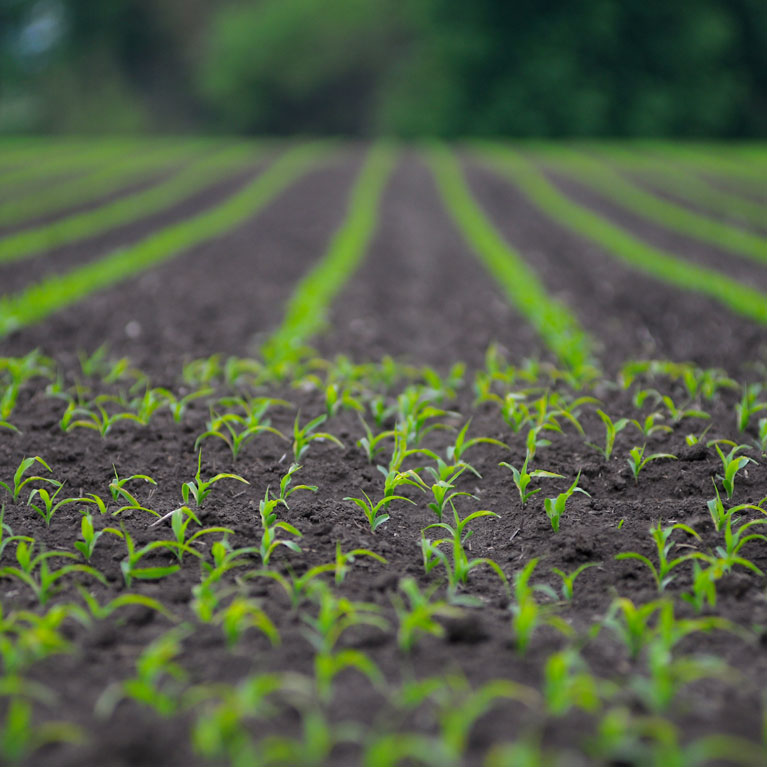
SAN DIEGO and LA JOLLA—The Salk Institute and Sempra Energy (NYSE: SRE) today announced a new project to advance plant-based carbon capture and sequestration research, education and implementation to help address the climate crisis. Sempra Energy is donating $2 million to the Salk Institute to help fund the five-year project.
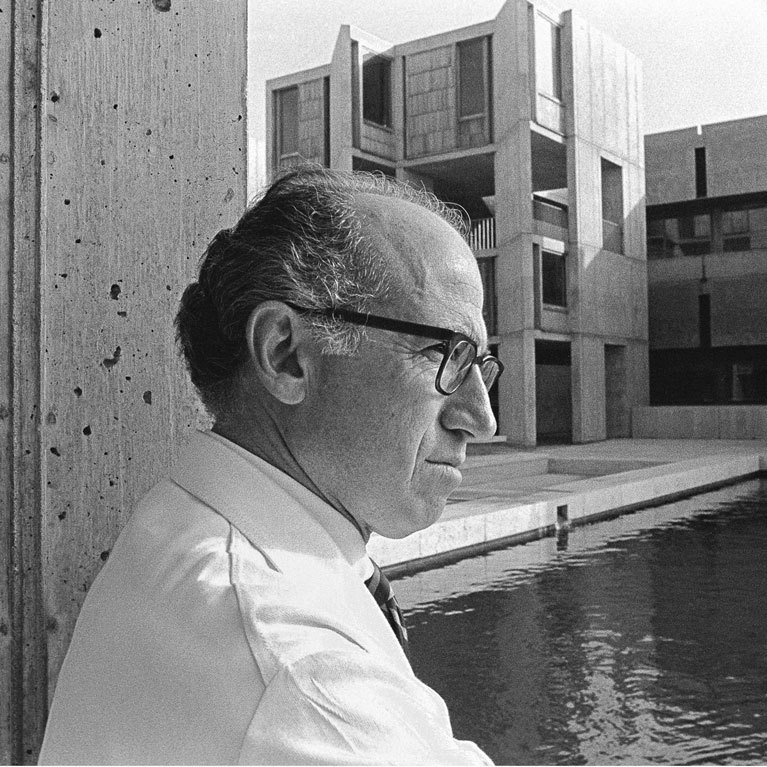
LA JOLLA—Mientras la gente en todo el mundo espera con ansias la promesa de una vacuna eficaz para poner fin a la pandemia de coronavirus que ha cobrado la vida de más de 220,000 estadounidenses y más de 1.1 millones a nivel mundial, es importante recordar un momento en que el mundo se enfrentó a desafíos similares y, a través de la investigación científica, encontró respuestas que cambiaron el curso de la historia. El 28 de octubre, el Instituto Salk honra los logros de nuestro fundador, Jonas Salk, en su 106° cumpleaños.
Next week, the Department of Homeland Security will review the contents of a proposal, ICEB-2019-0006, issued by the US Immigration and Customs Enforcement Bureau (ICE), that seeks to limit the stay of an international scholar in the US to either two or four years. The potentially devastating impact of this proposal, if implemented, is of such magnitude that the undersigned leaders of San Diego’s biomedical research institutions are standing together to voice alarm.
LA JOLLA—Profesor Asistente del Instituto Salk Dannielle Engle has been awarded a New Investigator Award from the Tobacco-Related Disease Research Program (TRDRP) to examine how tobacco use promotes cellular changes that lead to pancreatic cancer. The TRDRP funds research that “enhances understanding of tobacco use, prevention and cessation, the social, economic and policy-related aspects of tobacco use, and tobacco-related diseases in California,” according to their website. Engle will receive over $1 million over three years to develop new models for examining how tobacco carcinogens (cancer-causing substances) lead to tumor development and metastasis.
LA JOLLA and PALO ALTO, Calif.—The Salk Institute and BridgeBio Pharma, Inc. (Nasdaq: BBIO) today announced a three-year collaboration agreement formed to advance cutting-edge academic discoveries in genetically driven diseases toward therapeutic applications. Under the partnership, BridgeBio will help fund research programs from Salk’s world-renowned innovative cancer research, with the eventual goal of developing new therapeutics for patients in need.
LA JOLLA—The Salk Institute lost a good friend and scientific partner when Paul F. Glenn passed away on September 29, 2020, at his home in Montecito, California. He was 89.
LA JOLLA—Imagine that you’re late for work and desperately searching for your car keys. You’ve looked all over the house but cannot seem to find them anywhere. All of a sudden you realize your keys have been sitting right in front of you the entire time. Why didn’t you see them until now?
LA JOLLA—Profesor Asistente del Instituto Salk Edward Stites ha sido nombrado/a NIH Director’s New Innovator for 2020 as part of the National Institutes of Health’s High-Risk, High-Reward Research Program. The award “supports unusually innovative research from early career investigators,” according to the NIH and provides $1.5 million for a 5-year project. For his project, Stites will use mathematical and biological approaches to identify strategies to convert failed therapeutics into effective agents.
Joanne Chory, quien fue pionera en la aplicación de la genética molecular a la biología vegetal y transformó nuestra comprensión de la fotosíntesis, recibirá el Premio Pearl Meister Greengard 2020, el máximo galardón de Rockefeller que reconoce a mujeres científicas destacadas. Chory es titular de la Cátedra Howard H. and Maryam R. Newman en Biología Vegetal y directora del Laboratorio de Biología Molecular y Celular de Plantas del Instituto Salk. También es Investigadora del Instituto Médico Howard Hughes. Frances Beinecke, expresidenta del Natural Resources Defense Council, entregará el premio en una ceremonia virtual organizada por Rockefeller el 22 de octubre.
LA JOLLA—The Salk Institute will establish a world-class San Diego Nathan Shock Center (SD-NSC), a consortium with Sanford Burnham Prebys Medical Discovery Institute and the University of California San Diego (UC San Diego), to study cellular and tissue aging in humans. The Center will be funded by a grant from the National Institute on Aging (NIA) of the National Institutes of Health expected to total $5 million over the next 5 years (NIA grant number P30AG068635).
LA JOLLA—The diabetes drug metformin—derived from a lilac plant that’s been used medicinally for more than a thousand years—has been prescribed to hundreds of millions of people worldwide as the frontline treatment for type 2 diabetes. Yet scientists don’t fully understand how the drug is so effective at controlling blood glucose.
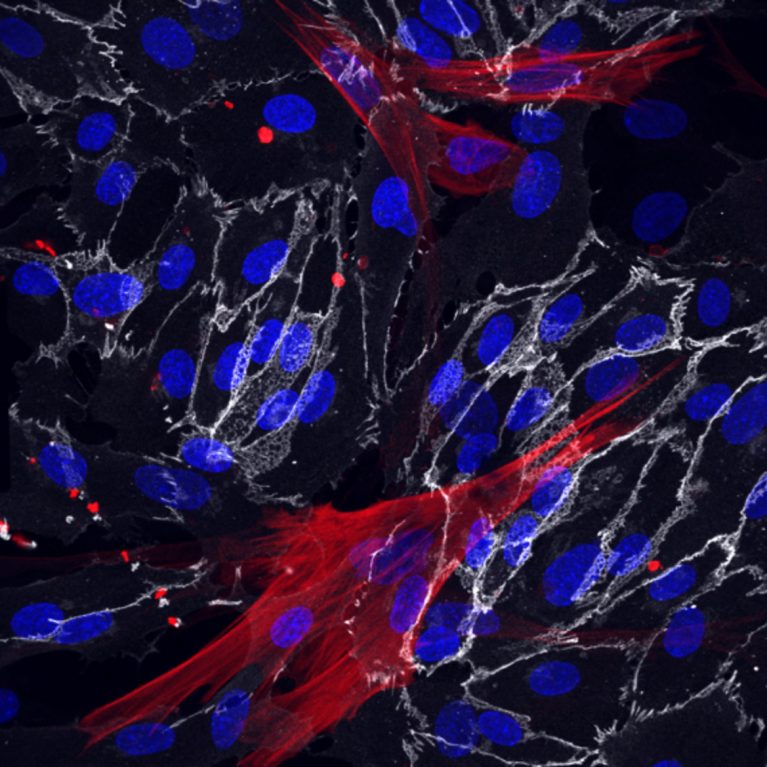
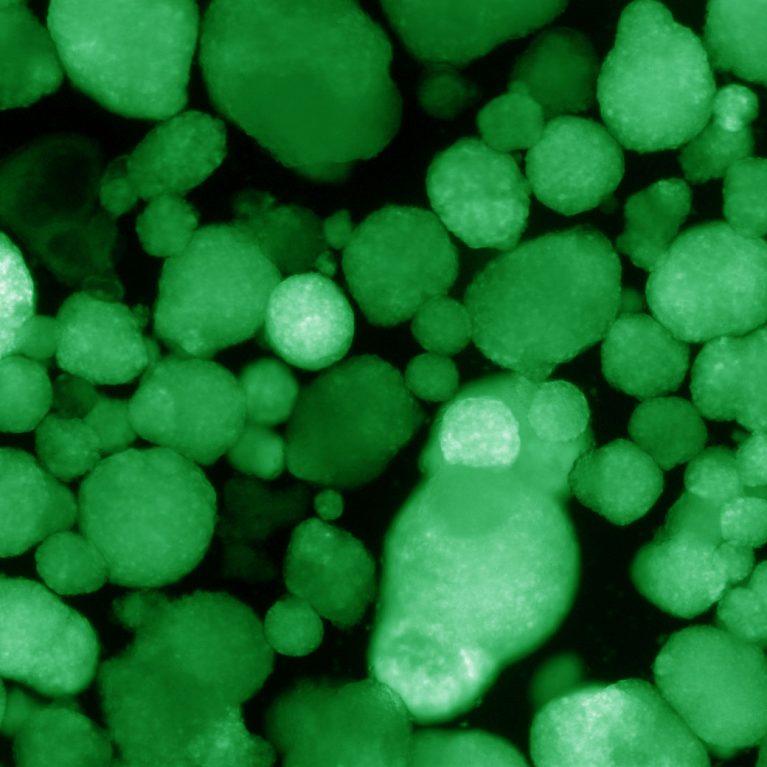
LA JOLLA—Salk scientists have used skin cells called fibroblasts from young and old patients to successfully create blood vessels cells that retain their molecular markers of age. The team’s approach, described in the journal eLife on September 8, 2020, revealed clues as to why blood vessels tend to become leaky and hardened with aging, and lets researchers identify new molecular targets to potentially slow aging in vascular cells.
LA JOLLA—Salk Institute scientists have made a major advance in the pursuit of a safe and effective treatment for type 1 diabetes, an illness that impacts an estimated 1.6 million Americans with a cost of $14.4 billion annually.
LA JOLLA—Renowned cell biologist and Salk Professor David Schubert passed away on August 6 at the age of 77 in La Jolla, California. He was known for the development of novel screening techniques that allowed his team to identify naturally occurring chemicals that can slow or prevent the neurological damage that occurs in neurodegenerative disorders, such as Alzheimer’s disease.
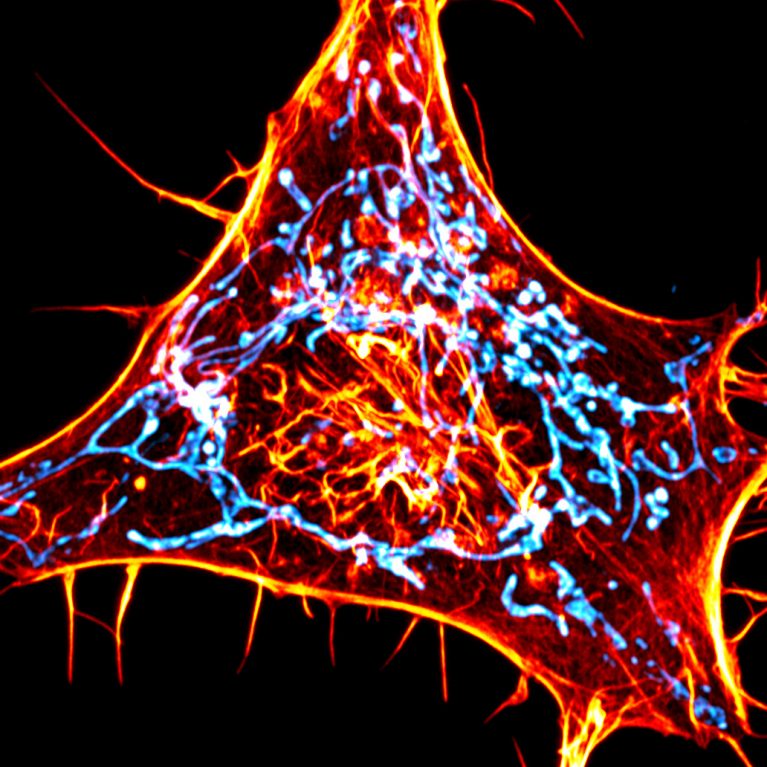
LA JOLLA—While your skeleton helps your body to move, fine skeleton-like filaments within your cells likewise help cellular structures to move. Now, Salk researchers have developed a new imaging method that lets them monitor a small subset of these filaments, called actin.
LA JOLLA—A drug candidate developed by Salk researchers, and previously shown to slow aging in brain cells, successfully reversed memory loss in a mouse model of inherited Alzheimer’s disease. The new research, published online in July 2020 in the journal Biología Redox, also revealed that the drug, CMS121, works by changing how brain cells metabolize fatty molecules known as lipids.
LA JOLLA—In research that aims to illuminate the causes of human developmental disorders, Salk scientists have generated 168 new maps of chemical marks on strands of DNA—called methylation—in developing mice.
LA JOLLA—Las personas acusadas erróneamente de un delito a menudo esperan años, si es que llegan, a ser exoneradas. Muchos de estos casos de acusaciones erróneas provienen de testimonios poco confiables de testigos presenciales. Ahora, científicos del Salk han identificado una nueva forma de presentar una fila de sospechosos a un testigo presencial que podría mejorar la probabilidad de identificar al sospechoso correcto y reducir el número de personas inocentes condenadas a prisión. Su informe se publica en Comunicaciones de la Naturaleza el 14 de julio de 2020.
LA JOLLA—The Salk Institute is pleased to welcome two new assistant professors in the fields of cancer biology and biophysics, respectively. Daniel Hollern and Pallav Kosuri will bring fresh perspectives to advance an understanding of, and find new treatments for, breast cancer and heart disease.