LA JOLLA—Like an actor who excels at both comedy and drama, proteins also can play multiple roles. Uncovering these varied talents can teach researchers more about the inner workings of cells. It also can yield new discoveries about evolution and how proteins have been conserved across species over hundreds of millions of years.
LA JOLLA—The process by which embryonic stem cells develop into heart cells is a complex process involving the precisely timed activation of several molecular pathways and at least 200 genes. Now, Salk Institute scientists have found a simpler way to go from stem cells to heart cells that involves turning off a single gene.
LA JOLLA—In the bustling setting of the cell, proteins encounter each other by the thousands. Despite the hubbub, each one manages to selectively interact with just the right partners, thanks to specific contact regions on its surface that are still far more mysterious than might be expected, given decades of research into protein structure and function.
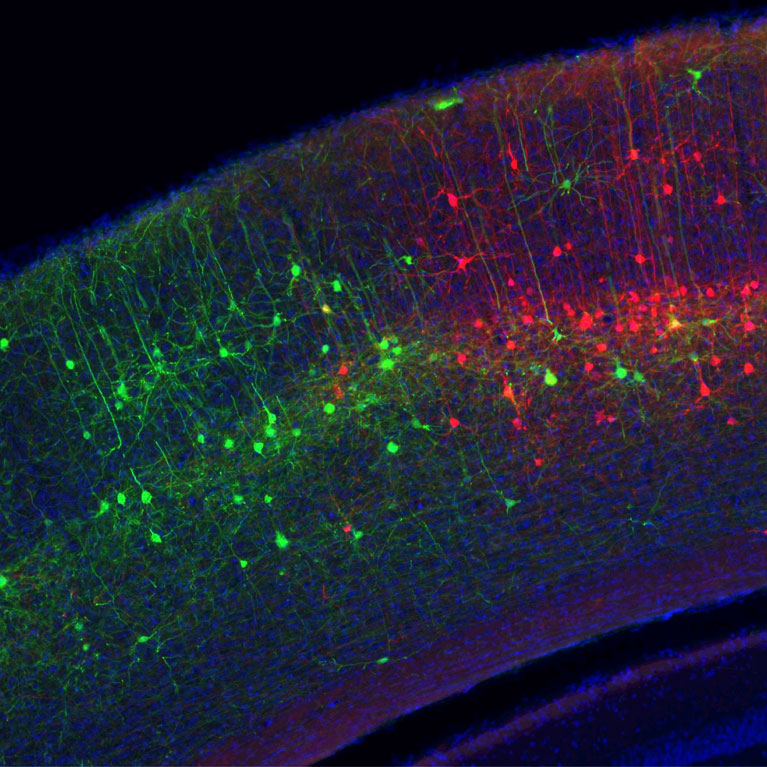
LA JOLLA—We think of our brain as masterminding all of our actions, but a surprising amount of information related to movement gets processed by our spinal cord.
LA JOLLA—Salk scientists have created a new version of the CRISPR/Cas9 genome editing technology that allows them to activate genes without creating breaks in the DNA, potentially circumventing a major hurdle to using gene editing technologies to treat human diseases.
La Jolla—Salk Institute scientist Joanne Chory, one of the world’s preeminent plant biologists who is now leading the charge to combat global warming with plant-based solutions, has been awarded a 2018 Breakthrough Prize for her pioneering work deciphering how plants optimize their growth, development and cellular structure to transform sunlight into chemical energy.
LA JOLLA—Elizabeth Blackburn, the Salk Institute’s first female president and one of only 12 women to have won the Nobel Prize in Physiology or Medicine, spoke about her pioneering scientific research on chromosomes—and its implications for aging well—in a TED talk that debuted this week. The talk, which took place in April in Vancouver, Canada, was part of the 2017 TED conference, a weeklong annual event featuring preeminent thinkers and practitioners from around the world exploring the most pressing questions of our time and imagining what our shared future might look like.
LA JOLLA – Salk-Professor Gerald Joyce has been a named a 2017 Fellow of the American Association for the Advancement of Science (AAAS), the world’s largest general scientific society. He earned the recognition for his distinguished research, which has had a profound impact on the scientific understanding of Darwinian evolution at the molecular level, especially pertaining to the evolution of RNA.
LA JOLLA, CA – Daniel C. Lewis, der frühere Präsident der globalen Unternehmensberatung Booz Allen Hamilton, wurde zum Vorsitzenden des Salk Institute ernannt Kuratorium. Er tritt seine neue Stelle unverzüglich an.
LA JOLLA—Every day, websites you visit and smartphone apps that you use are crunching huge sets of data to find things that resemble each other: products that are similar to your past purchases; songs that are similar to tunes you’ve liked; faces that are similar to people you’ve identified in photos. All these tasks are known as similarity searches, and the ability to perform these massive matching games well—and fast—has been an ongoing challenge for computer scientists.
LA JOLLA—Regulatory T cells (Tregs) are the traffic cops of the immune system. They instruct other types of immune cells on when to stop and when to go. Learning how to direct the activity of Tregs has important implications for improving cancer immunotherapy as well as developing better treatments for autoimmune diseases such as rheumatoid arthritis and type 1 diabetes.
LA JOLLA—Salk Institute scientists will lead a multimillion-dollar, five-year initiative to revolutionize our understanding of the human brain by systematically identifying and cataloging cell types across the mammalian brain, the National Institutes of Health has announced. The effort, which is part of the Brain Research through Advancing Innovative Neurotechnologies (BRAIN) Initiative®, will be co-led by Salk Professors Joseph Ecker und Ed Callaway. Researchers from USC and UC San Diego will also participate in the collaboration.
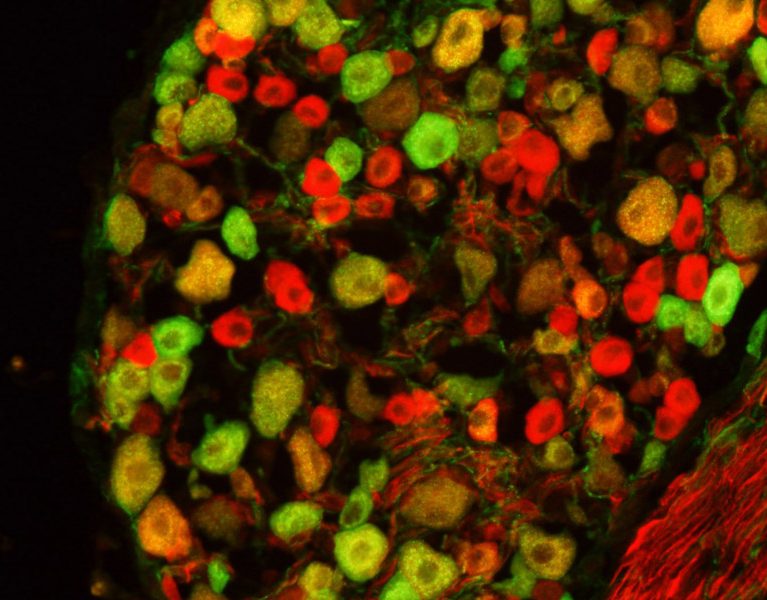
LA JOLLA—Sensory neurons regulate how we recognize pain, touch, and the movement and position of our own bodies, but the field of neuroscience is just beginning to unravel this circuitry. Now, new research from the Salk Institute shows how a protein called p75 is critical for pain signaling, which could one day have implications for treating neurological disorders as well as trauma such as spinal cord injury.
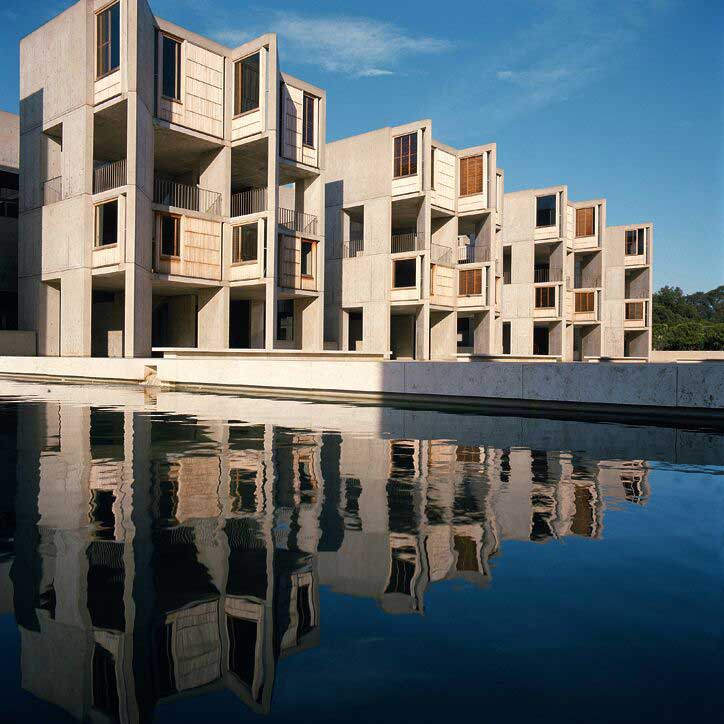
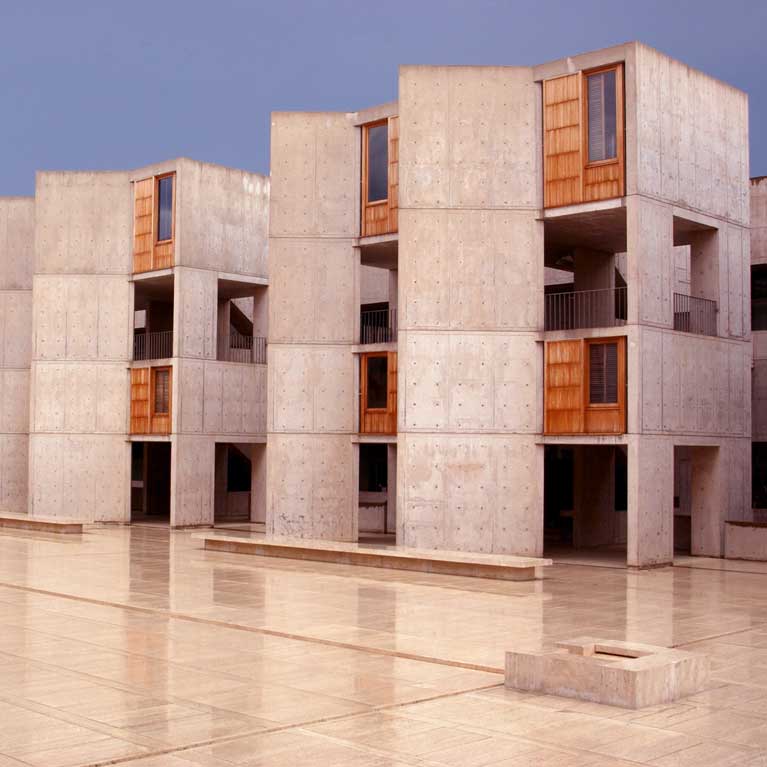
LA JOLLA—The Salk Institute has been named the recipient of two awards, including the top honor, by the California Preservation Foundation for the restoration of its teak window systems and establishment of an endowment for future conservation projects. The awards were presented at the 34th annual Preservation Design Awards & President’s Awards ceremony on October 13, 2017, at the InterContinental Mark Hopkins Hotel in San Francisco.
LA JOLLA—Salk Professor and HHMI Investigator Ronald Evans has been awarded $2.5 million by Stand Up To Cancer (SU2C) as part of a multi-institution team to conduct clinical studies to open up a new avenue for immunotherapy in the treatment of pancreatic Krebs. While the cancer normally excludes immune T-cells, the Evans lab discovered that modified vitamin D reprograms the cancer environment in a way that may allow the Merck drug Keytruda® to invade and destroy the tumor.
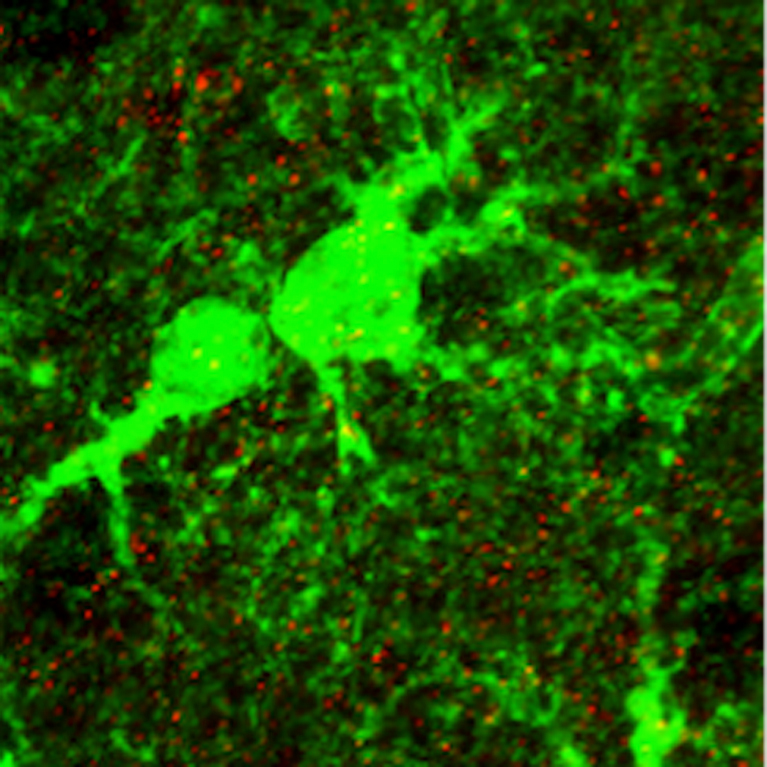
LA JOLLA—To have a good phone conversation, you need a good cellular connection. What's true for mobile phones also turns out to be true for neurons.
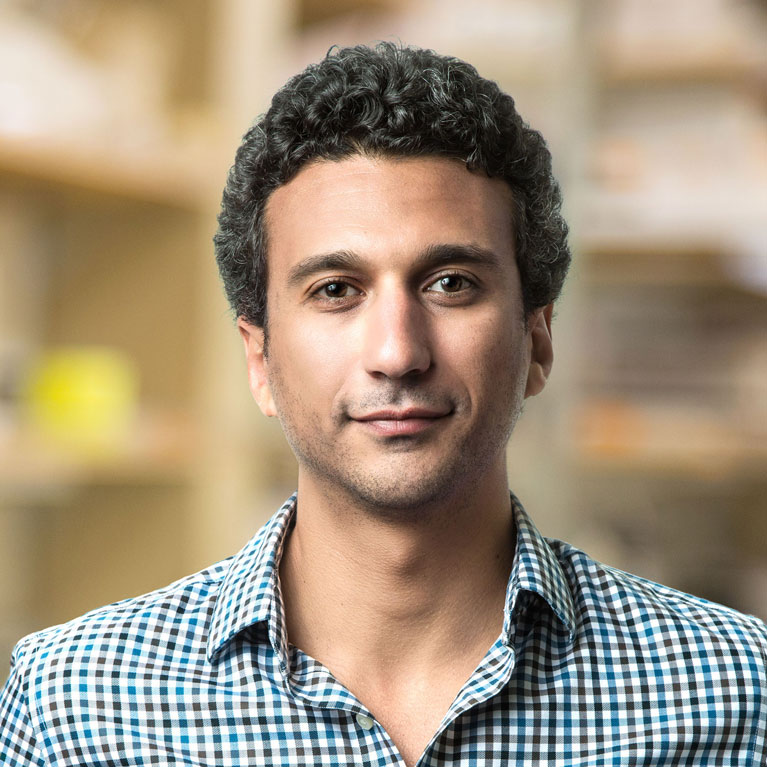
LA JOLLA—Salk Institute Assistant Professor Eiman Azim has been named an NIH Director’s New Innovator for 2017 as part of the National Institutes of Health’s High-Risk, High-Reward Research Program. The award provides $1.5 million for a 5-year project during which Azim will explore how the nervous system controls dexterous movements.
LA JOLLA — Das Salk Institute gab bekannt, dass die Gesamteinnahmen im Geschäftsjahr 2017 (1. Juli 2016 bis 30. Juni 2017) von $118 Millionen im Vorjahr auf $134 Millionen gestiegen sind, was einem Anstieg von 13,5 Prozent entspricht. Fast die Hälfte der Einnahmen, $62 Millionen, stammte von Spendern, darunter Stiftungsgeschenke und Zuschüsse sowie individuelle Geschenke und Vermächtnisse. Der Rest stammte aus staatlichen und unternehmerischen Finanzierungen sowie Zinseinnahmen.
Salk President Elizabeth Blackburn was invited to present the keynote address at the University of Queensland last month on gender equity and diversity issues in the Science, Technology, Engineering, Mathematics and Medicine (STEMM) disciplines. Blackburn is Australia’s first female Nobel laureate. Following her address, which received a positive audience response, she participated in a panel discussion on the barriers and challenges of women in science. Here is a transcript of her address:
LA JOLLA—Silvana Konermann, a research associate in the lab of Helmsley-Salk Fellow Patrick Hsu, was chosen as one of 15 inaugural Howard Hughes Medical Institute Hanna H. Gray Fellows. Each fellow will receive up to $1.4 million in funding over eight years.