Profesor adjunto

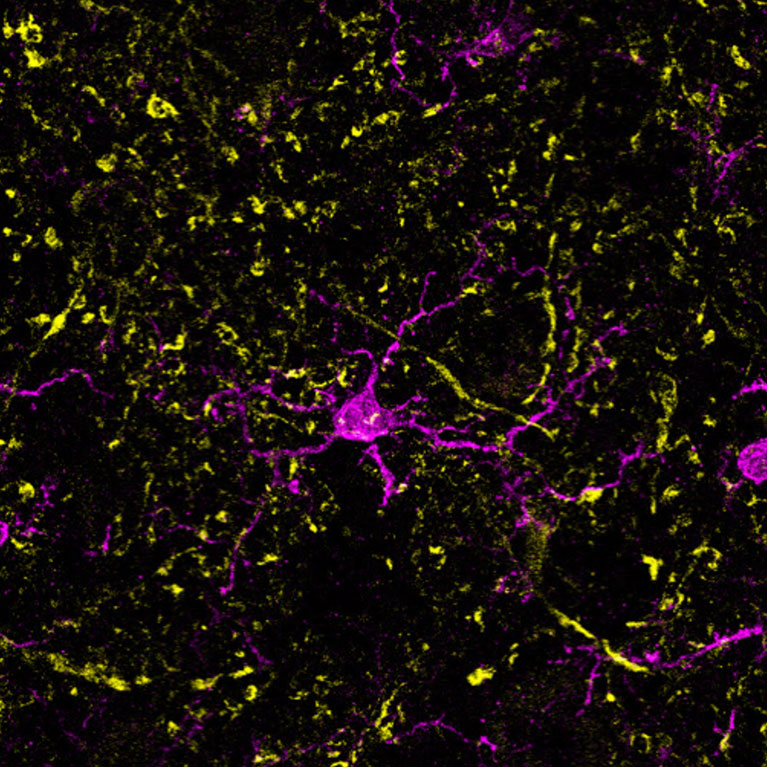
Cells communicate to coordinate tissue and biological function. One way they talk is by transferring proteins from one cell to another—initiating a response in the recipient cell. Dysregulation of this communication is a hallmark of aging and contributes to diseases like Alzheimer’s and Parkinson’s. Despite its importance, we still lack a comprehensive understanding of which cells communicate, the proteins that mediate these interactions, and how these signaling networks drive aging and disease.
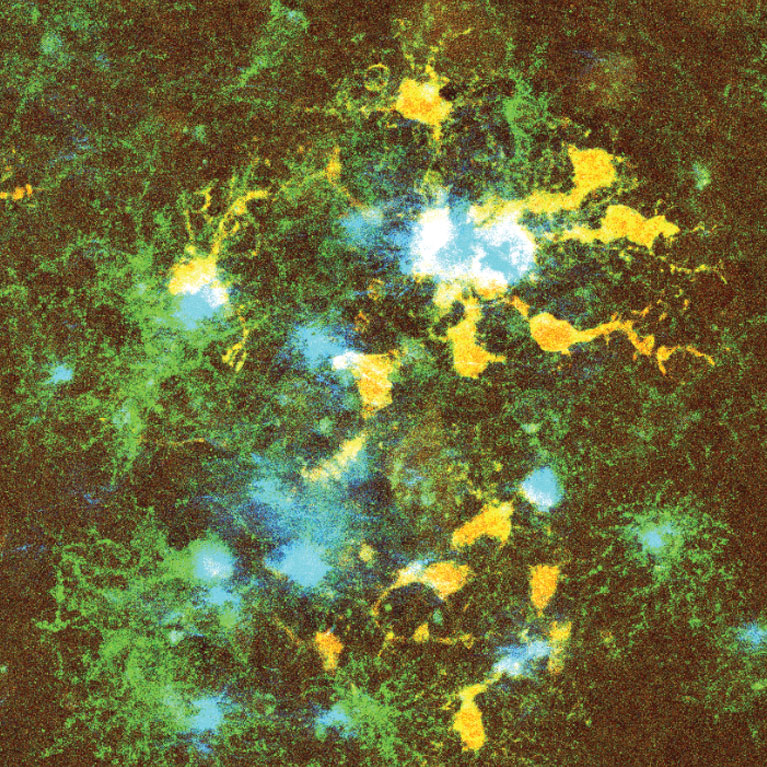
Guldner’s lab investigates cell-to-cell communication by directly tracking proteins exchanged between cell types in living organisms. The lab combines cell-specific proteome tagging with advanced cell isolation methods to tag proteins in “sender” cells and recover those transferred to isolated “recipient” cells. This approach reveals which cells communicate, the proteins they exchange, and how these interactions change with aging and disease. The lab also uses genetic and pharmacologic perturbations to test whether modifying these communication networks can delay or even reverse aging, neurodegeneration, and other disorders.
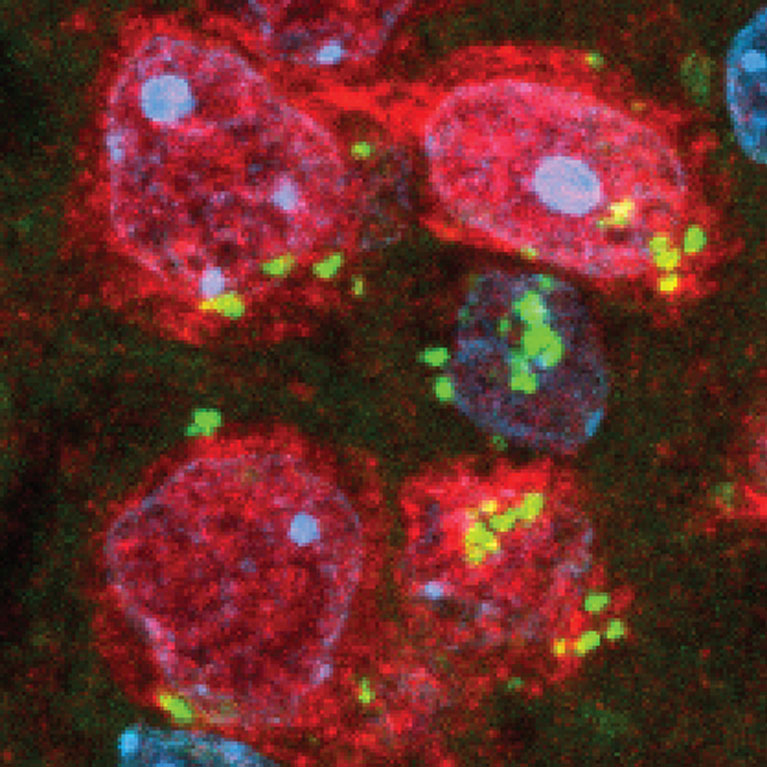
Guldner demonstrated that cell-specific protein tagging approaches can be leveraged to understand the pace of cellular protein recycling, cellular origins of protein aggregates, and activity of intercellular protein communication—processes central to disease pathologies from Alzheimer’s to cancer.
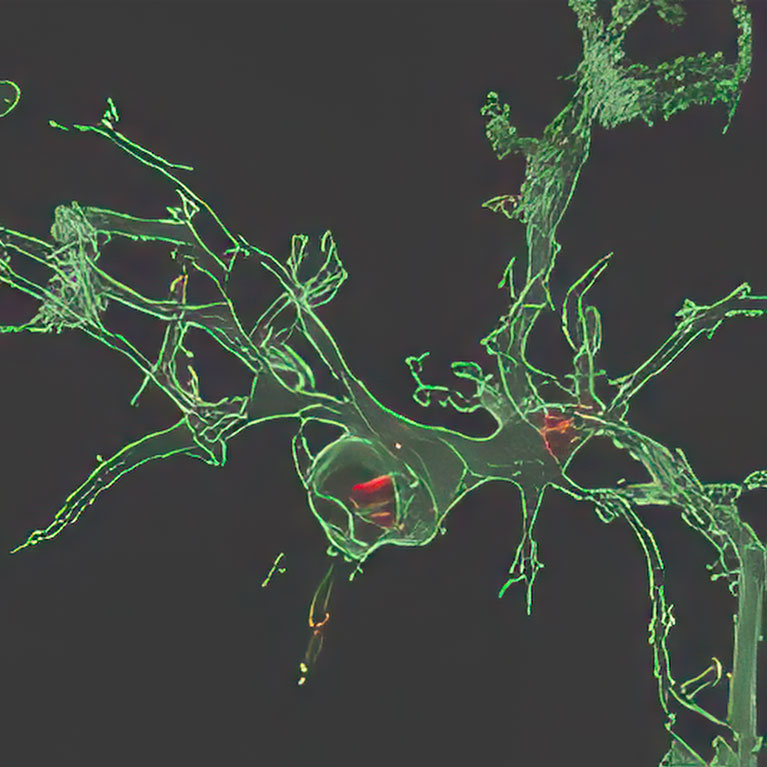
Guldner tracked how hundreds of proteins were exchanged from neurons to microglia in young and old mice, finding that many proteins accumulate in aged microglia and may contribute to age-related cognitive decline and neurodegeneration.
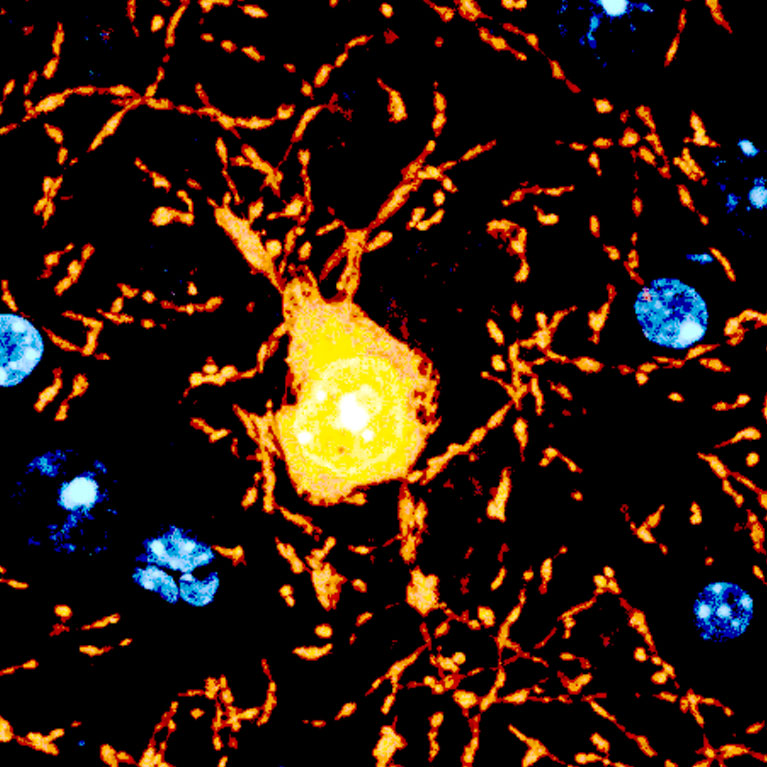
Guldner tagged proteins to measure degradation rates of neuron-specific proteins across aging in mice to discover that—on average—proteins in old neurons degrade at half the speed they degrade in young neurons.
BS, Biology, Moravian College
PhD, Biology, University of Notre Dame
Investigador postdoctoral, Universidad de Stanford




