LA JOLLA—Profesor del Salk Janelle Ayres has been selected as a 2024 Howard Hughes Medical Institute (HHMI) Investigator. The HHMI Investigators program awards established scientists with approximately $9 million in funding over seven years to pursue boundary-breaking research in their field. The honor recognizes her influential work in immunology and microbiology and its applications to the global crisis of antibiotic resistance.
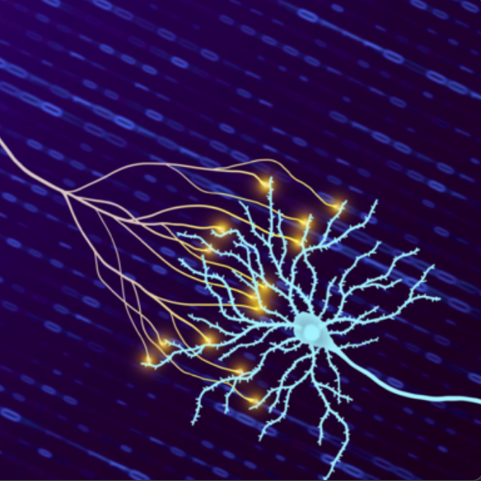
LA JOLLA—In the split second as you accidentally touch the hot handle of a cast iron skillet, pain and a sense of danger rush in. Sensory signals travel from the pain receptors in your finger, up through your spinal cord, and into your brainstem. Once there, a special group of neurons relays those pain signals to a higher brain area called the amygdala, where they trigger your emotional fear response and help you remember to avoid hot skillets in the future.
LA JOLLA—El impacto negativo de la actividad humana en la Tierra no solo afecta la atmósfera de nuestro planeta, sino que va mucho más profundo, hasta sus suelos. Por ejemplo, la aplicación excesiva de estiércol o lodos residuales puede aumentar las concentraciones de metales pesados en tierras agrícolas donde se cultivan cultivos vitales. Uno de estos metales pesados es el zinc, un micronutriente necesario para la salud de plantas y animales. Sin embargo, en exceso, el zinc puede ser extremadamente dañino para especies de plantas sensibles.
LA JOLLA—Salk Institute Professor Joanne Chory has been selected by the Wolf Foundation to receive a 2024 Wolf Prize in the field of agriculture for her "key discoveries on plant developmental biology of relevance for crop improvements.” The award is endowed annually to scientists and artists worldwide for their “outstanding achievements in advancing science and the arts for the betterment of humanity.”
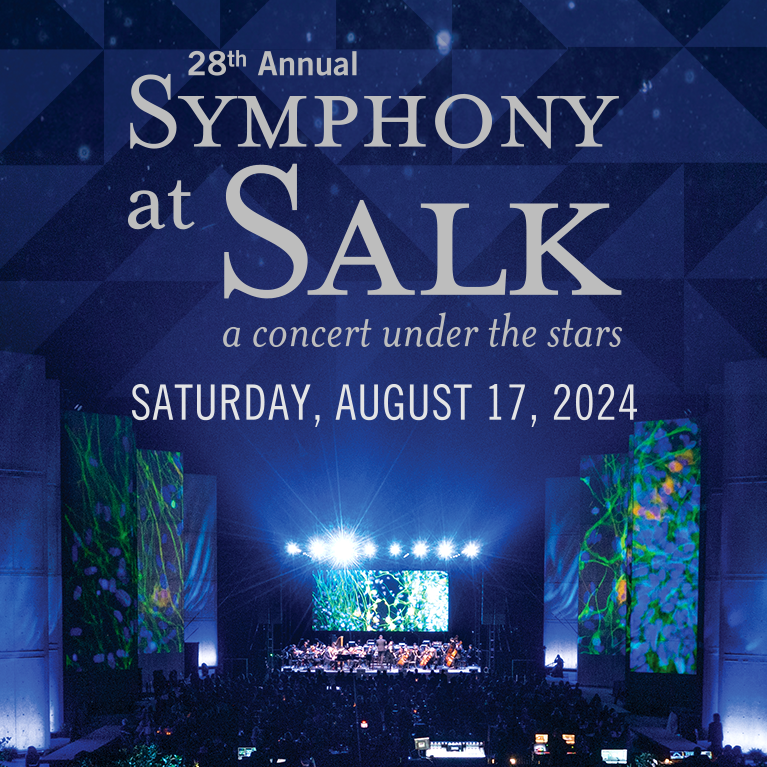
LA JOLLA—On Saturday, August 17, the Salk Institute will celebrate 28 years of Symphony at Salk, its premier annual concert under the stars. The unforgettable night will feature a performance by the San Diego Symphony with special guest artists David Foster, 16-time Grammy Award®-winning musician, composer, and producer, and Katharine McPhee, acclaimed singer and television/Broadway star.
LA JOLLA—The Salk Institute will receive $20 million over four years from the NOMIS Foundation to launch a new Neuroimmunology Initiative within the Institute’s Centro NOMIS de Inmunobiología y Patogénesis Microbiana. By funding research programs, faculty recruitment, and pilot grants, the generous gift will enable Salk scientists to develop a deep understanding of the crosstalk between the immune and nervous systems and the role it plays in health and disease.
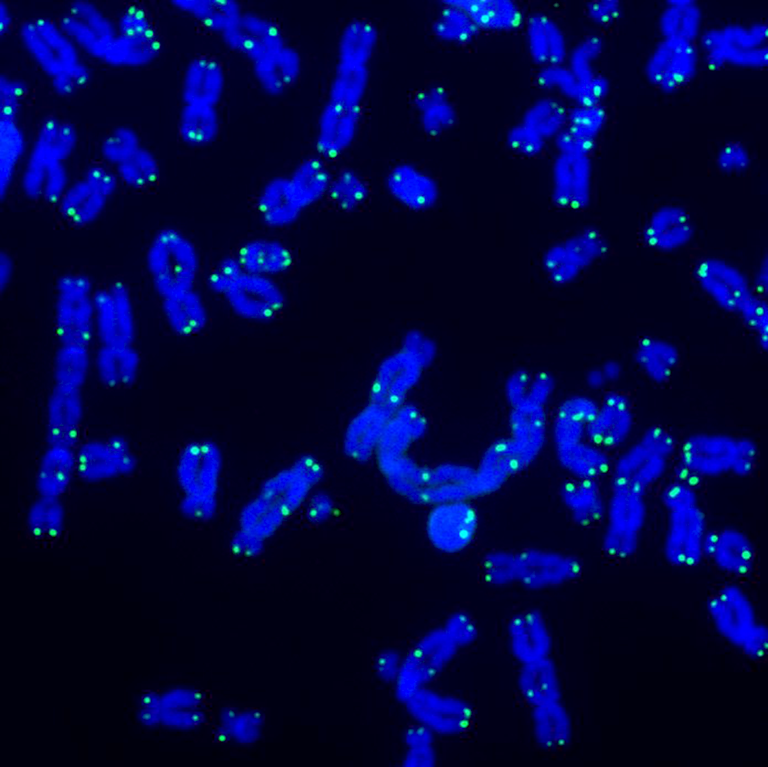
LA JOLLA—Within each of our cells, long strands of DNA are folded into chromosomes and capped with protective structures called telomeres. But telomeres shorten as we age, eventually getting so whittled down that our chromosomes become exposed, and our cells die. However, the specifics of when and how this shortening occurs and whether certain chromosomes are more affected than others have been unclear—until now.
LA JOLLA—Profesor Asistente del Instituto Salk Jesse Dixon has been named a 2024 Pew Biomedical Scholar by The Pew Charitable Trusts. This honor provides funding to early-career investigators who demonstrate outstanding promise in science toward advancing human health. Dixon and the other 21 awardees will each receive $300,000 over four years to support their research.
LA JOLLA—The Salk Institute mourns the loss of businessman and philanthropist John Adler, who served on the Institute’s Board of Trustees from 1991 to 2004. He died June 11, 2024, in Greenwich, Connecticut at the age of 96.
Congratulations to the awardees of the Kavli Small Equipment Grant Program, where Salk Faculty and Research Professors working in neuroscience, and related fields, submitted proposals to receive funds to purchase or build small equipment needed to further their research.
LA JOLLA—Bacterias, parásitos, virus: el sistema inmunitario los combate a todos. En la primera línea de la respuesta inmunitaria humana se encuentran unas células llamadas macrófagos, que son responsables de identificar correctamente a los intrusos y luego dirigir cómo responde todo el sistema inmunitario. Investigadores del Salk Institute han descubierto ahora un mecanismo molecular que ayuda a los macrófagos a montar una respuesta coordinada adaptada a un desafío inmunitario específico.
LA JOLLA—Global temperatures are on the rise, with experts projecting an increase of 2.7°F by 2050. Because plants cannot regulate their own temperatures, they are especially sensitive to these temperature changes. In higher temperatures, plants instruct their root systems to grow faster, creating long roots that stretch through the soil to absorb more water and nutrients. While this response may help the plants in the short term, new research suggests it’s both unsustainable for the plants and potentially harmful for humans in the long term.
LA JOLLA—With each flip you make through a deck of vocabulary word flashcards, their definitions come more quickly, more easily. This process of learning and remembering new information strengthens important connections in your brain. Recalling those new words and definitions more easily with practice is evidence that those neural connections, called synapses, can grow stronger or weaker over time—a feature known as synaptic plasticity.
LA JOLLA—The Wicklow Foundation has donated $2 million to the Salk Institute to establish the Margaret Faye Wilson Endowment in honor of the banking and retail leader and former Salk Trustee. Wilson served on the Salk Board from 2010 to 2019 and was a generous supporter of the Institute’s research over the years. A treasured member of the community, Wilson died in July 2023.
LA JOLLA—Immunotherapy has revolutionized the way we treat cancer in recent years. Instead of targeting the tumor itself, immunotherapies work by directing patients’ immune systems to attack their tumors more effectively. This has been especially impactful in improving outcomes for certain difficult-to-treat cancers. Still, fewer than half of all cancer patients respond to current immunotherapies, creating an urgent need to identify biomarkers that can predict which patients are most likely to benefit.
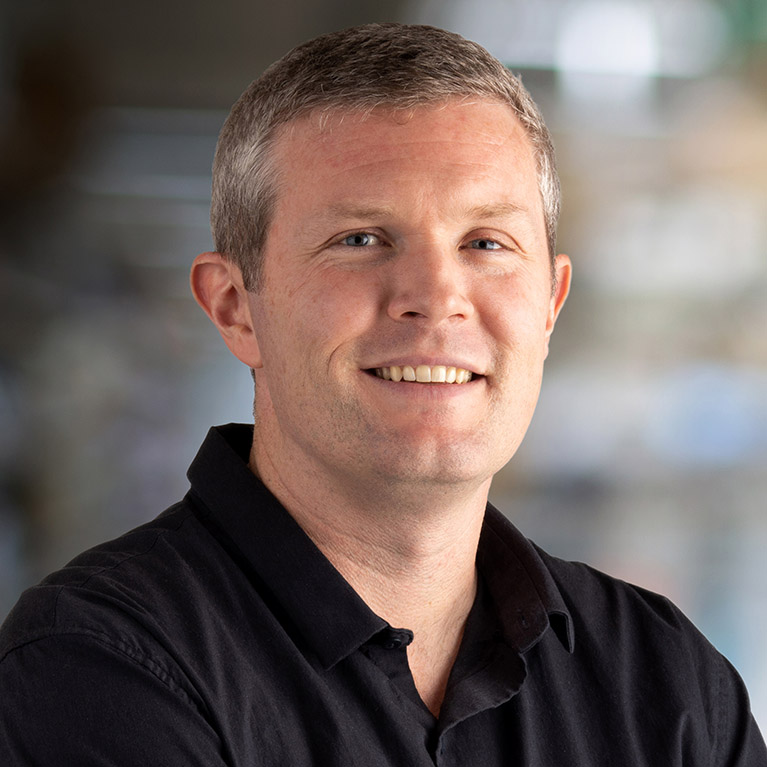
LA JOLLA—In recognition of his notable and innovative contributions to science, the Salk Institute’s Axel Nimmerjahn has been promoted from associate professor to full professor. The promotion is based on Salk faculty and Nonresident Fellow recommendations and was approved by Salk’s president and Board of Trustees on April 19, 2024.
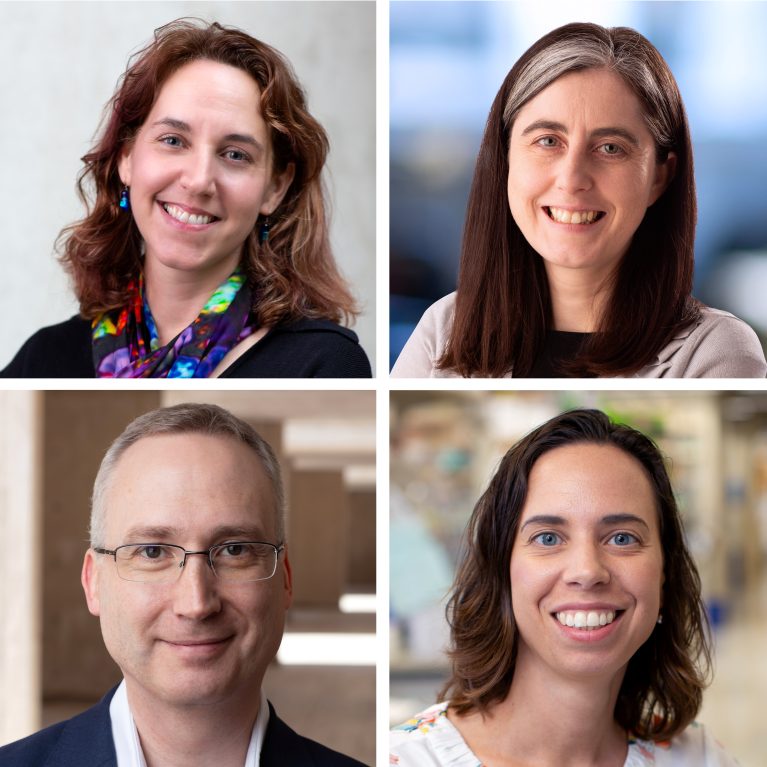
LA JOLLA—The Salk Institute will receive a four-year, $5 million gift from the Paul M. Angell Family Foundation to support pancreatic cancer research. The project’s leaders, Salk Assistant Professor Dannielle Engle, Professor Ronald Evans, and Professor Reuben Shaw, will establish a novel pipeline from patients to the laboratory and back to the clinic. The approach will provide a unique opportunity to uncover new diagnostics and therapies for pancreatic cancer.
LA JOLLA—The Salk Institute lost one of its greatest supporters and one of San Diego’s most generous philanthropists when Joan Jacobs died on May 6, 2024, in La Jolla, California. She was 91 years old.
LA JOLLA—The Salk Institute’s Martyn Goulding, a professor in the Molecular Neurobiology Laboratory and the Frederick W. and Joanna J. Mitchell Chair, was elected to the American Academy of Arts & Sciences. Goulding is a neuroscientist who studies the sensorimotor circuitry in the spinal cord that controls a range of different motor behaviors, from simple reflexes such as scratching to walking and precise forelimb movements.
LA JOLLA—Salk Institute Professor Susan Kaech has been elected to the U.S. National Academy of Sciences. Kaech is one of 120 new members and 24 international members to be elected to the academy in recognition of their distinguished and continuing achievements in original research. The election is considered one of the highest honors accorded to a scientist in the United States. Kaech’s work has transformed the fields of immunology and cancer biology and inspires new approaches to cancer immunotherapy. Her recognition brings the number of Salk faculty elected to the National Academy of Sciences to 13.