




Meet the scientists
The Harnessing Plants Leadership Team:
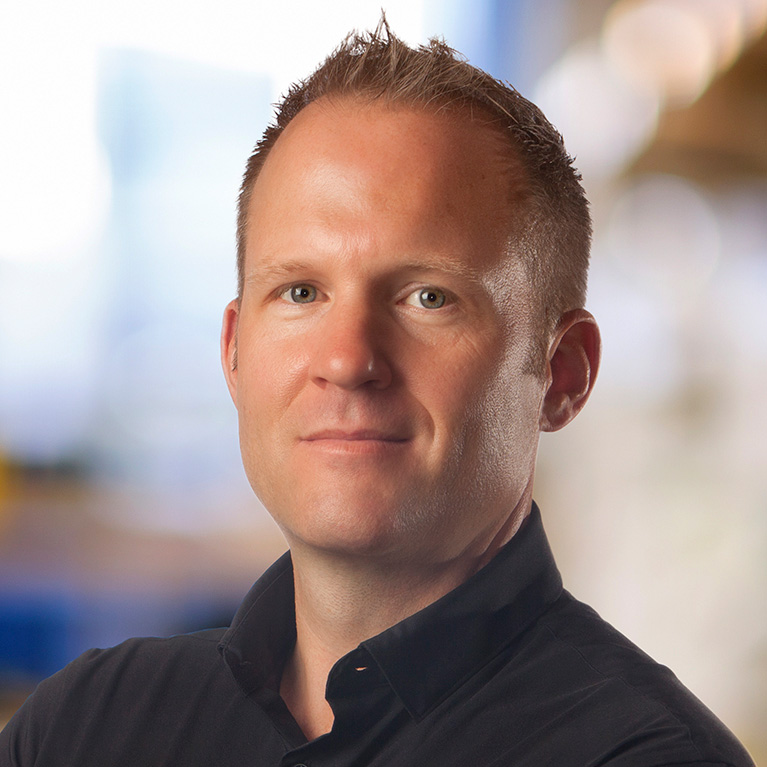
Wolfgang Busch
Sitio web del laboratorio
Professor, Plant Molecular and Cellular Biology Laboratory
Cátedra Hess de Ciencias Vegetales
HPI Executive Director
Busch takes a systems genetics approach to plant biology, combining genomics and other techniques to identify the genes governing root growth and increased suberin content. In a study published in 2019, the Busch lab identified a gene that regulates root depth. Finding this molecular switch is important proof that HPI is on the right track.
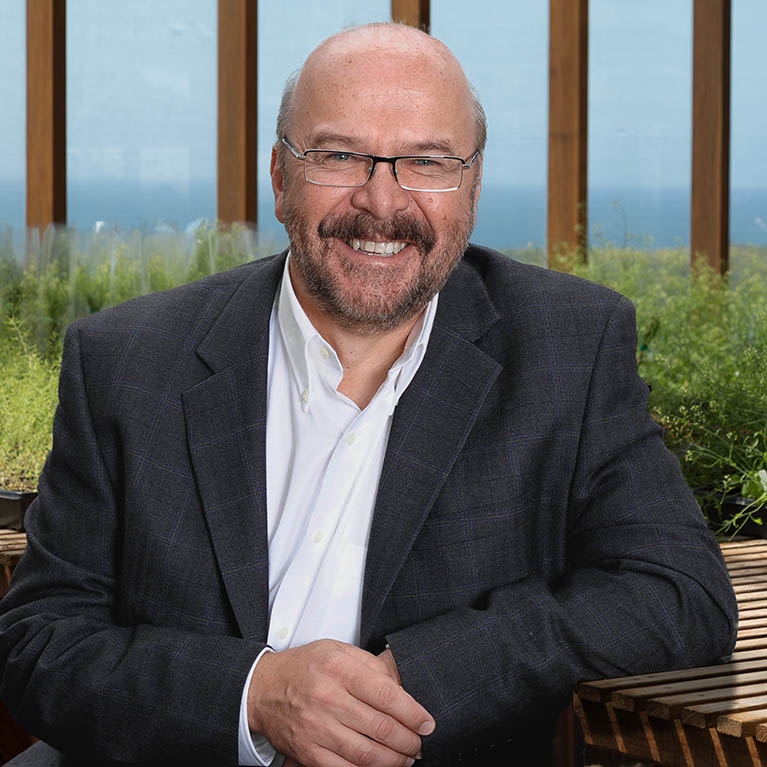
Joseph Ecker
Sitio web del laboratorio
Professor, Plant Molecular and Cellular Biology Laboratory
Director del Laboratorio de Análisis Genómico
Howard Hughes Medical Institute Investigator
Presidente del Consejo Internacional Salk de Genética
Having led efforts to sequence the first plant genome and map the first plant epigenome, Ecker has long been a force in plant genomics/epigenomics. His work continues to help HPI improve carbon storing in plants. In 2019, Ecker’s group provided new insights into how gene editing affects plants, research that could make these techniques more precise.
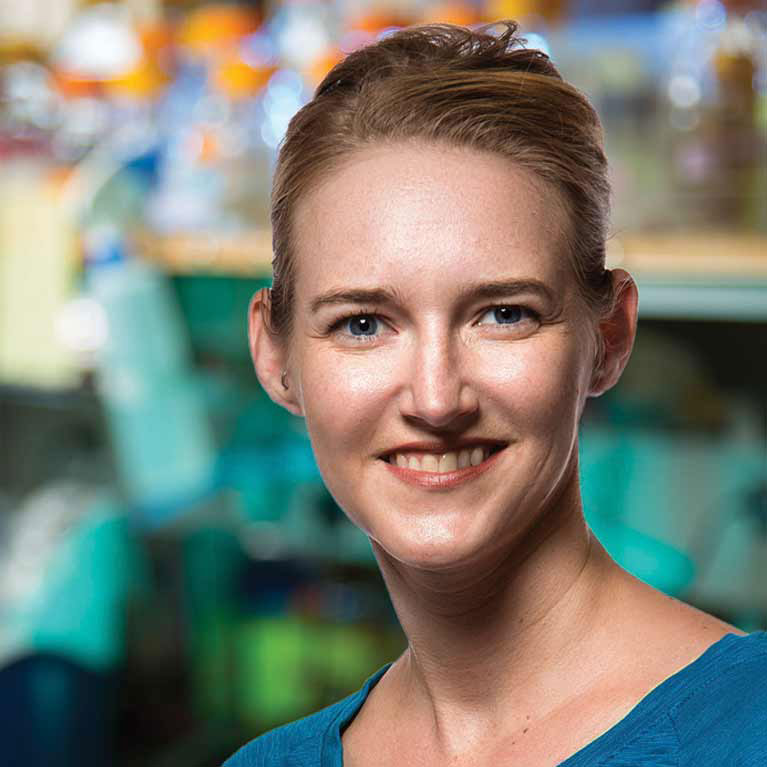
Julie Law
Sitio web del laboratorio
Associate Professor, Plant Molecular and Cellular Biology Laboratory
The Law lab studies how epigenetic modifications translate into cellular activity. She is particularly focused on chromatin binding proteins, which play an important role in DNA packaging and gene expression. In tandem, Law is investigating the best ways to modulate the genes associated with suberin production.
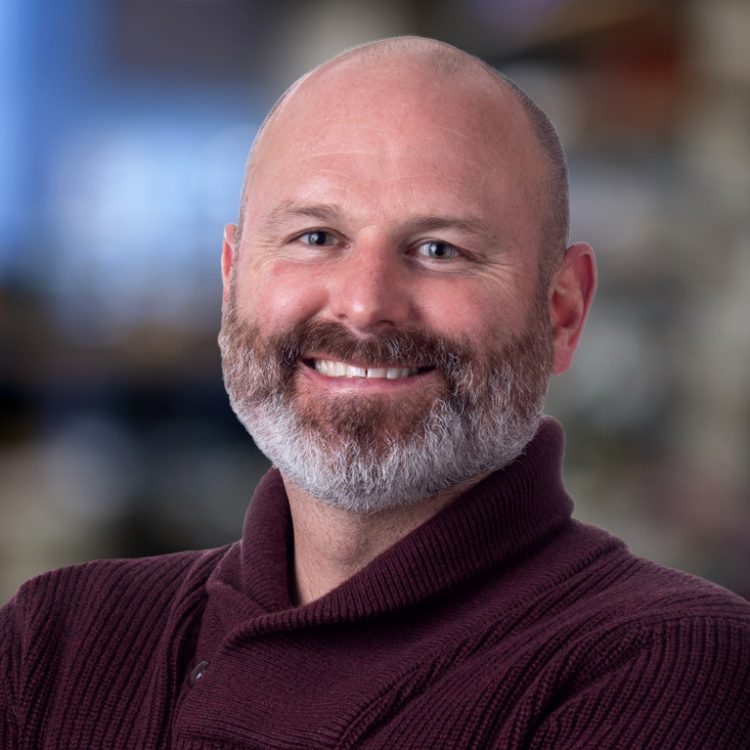
Todd Michael
Sitio web del laboratorio
Research Professor, Plant Molecular and Cellular Biology Laboratory
Michael’s work combines genomic sequencing with computational biology to better understand the genomic distinctions that help different plants thrive in certain environments. By studying multiple genomes, Michael’s team seeks to clarify the genetic networks that govern how plants interact with their surroundings. The Michael lab is keenly focused on the genomics behind carbon sequestration and how plants adapt to climate change.
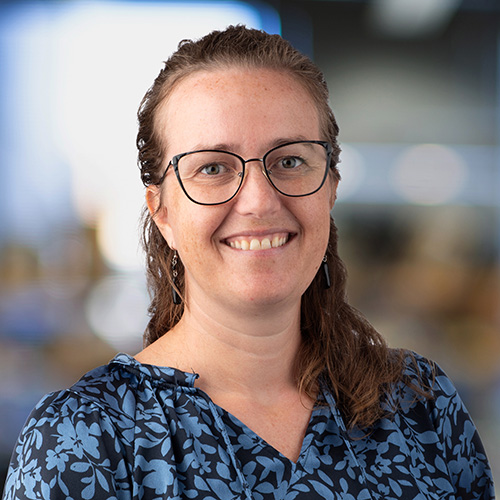
Lena Mueller
Sitio web del laboratorio
Profesor adjunto
Mueller is a plant biologist who studies the symbiotic relationship between plants and arbuscular mycorrhizal fungi. Her research reveals the basis for healthy plant symbiosis and can be applied to engineer crops that take up nutrients more efficiently, are more resilient to environmental stresses, and hold more carbon underground in their roots.
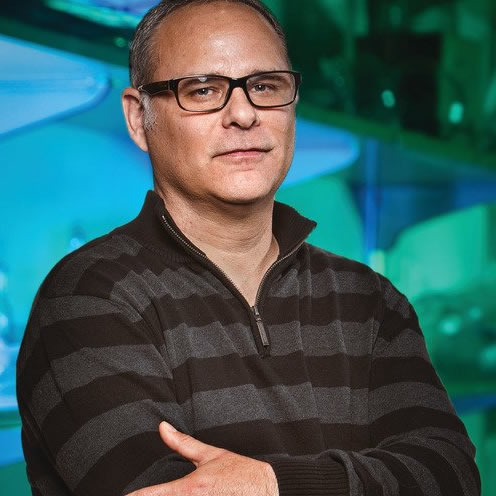
José Noel
Profesor y director
Centro Jack H. Skirball de Biología Química y Proteómica
Silla Arthur y Julie Woodrow
Noel studies the compounds plants produce to adapt to their environments. His work has illuminated the structure of suberin, the carbon-storing plant polymer that will be essential to HPI’s success. Because these molecules resist decomposition, and are packed with carbon atoms, they are excellent carbon storage mechanisms that enhance soil vitality.
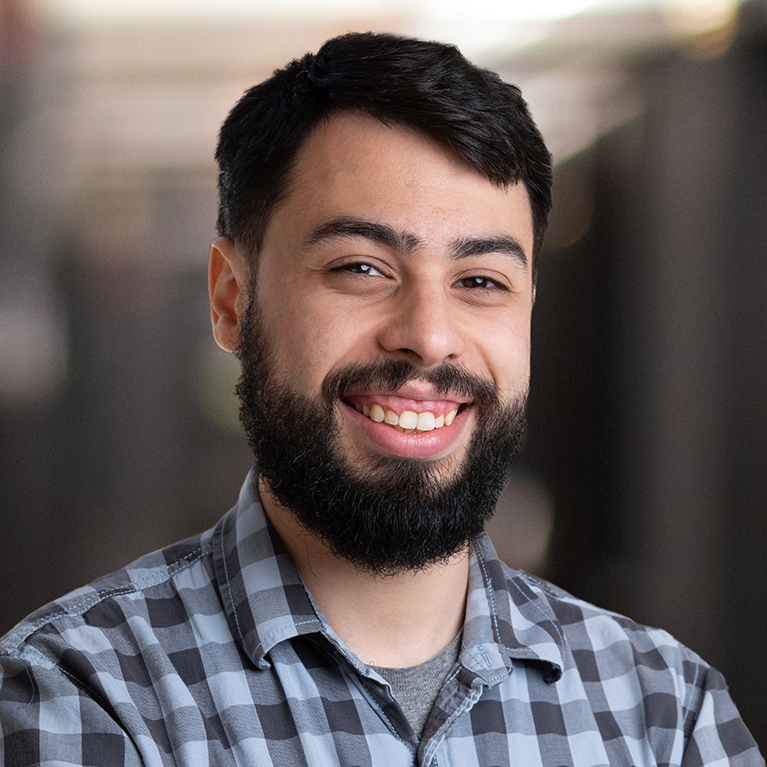
Talmo Pereira
Sitio web del laboratorio
Becario Salk
Pereira develops and applies artificial intelligence (AI) techniques to study the processes that give rise to biological motion. His research helps make sense of how humans behave during health or disease, how plant roots sequester carbon, and how the nervous system coordinates complex behavior.
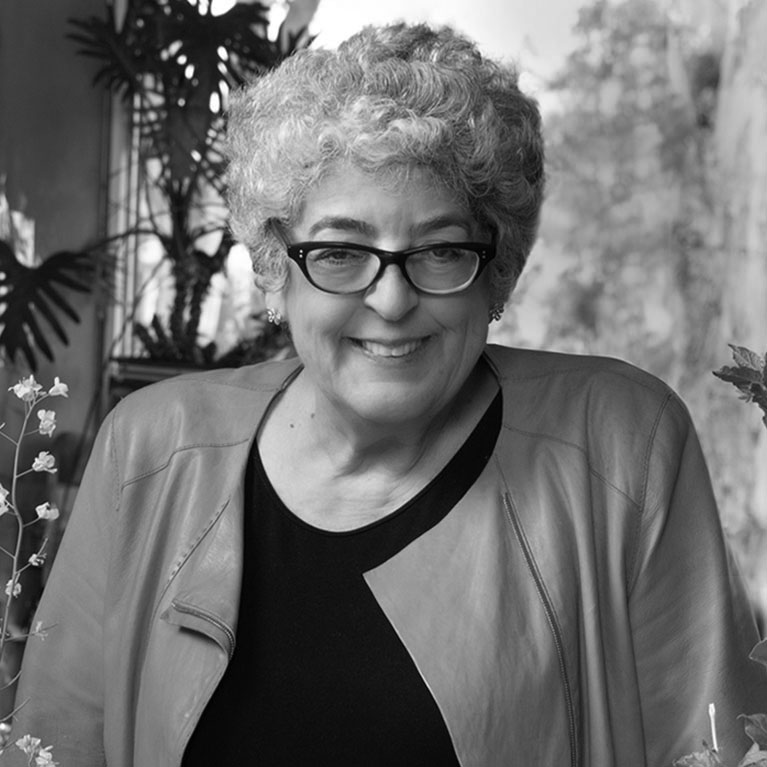
1955 – 2024
Joanne Chory
HPI Founding Director
Chory pioneered genetic studies that illuminated how plants adjust their size, shape, and form to optimize growth and photosynthesis. Over her career, Chory detailed the complex signaling networks that control plant growth and development in response to environmental change. She leveraged this vast knowledge and experience to develop plants with increased root mass and other key traits. Chory died in 2024.