Profesor
Laboratorio de Biología Molecular y Celular
Cátedra Audrey Geisel en Ciencias Biomédicas
Co-director, Centro Paul F. Glenn para la Biología de la Investigación del Envejecimiento del Salk
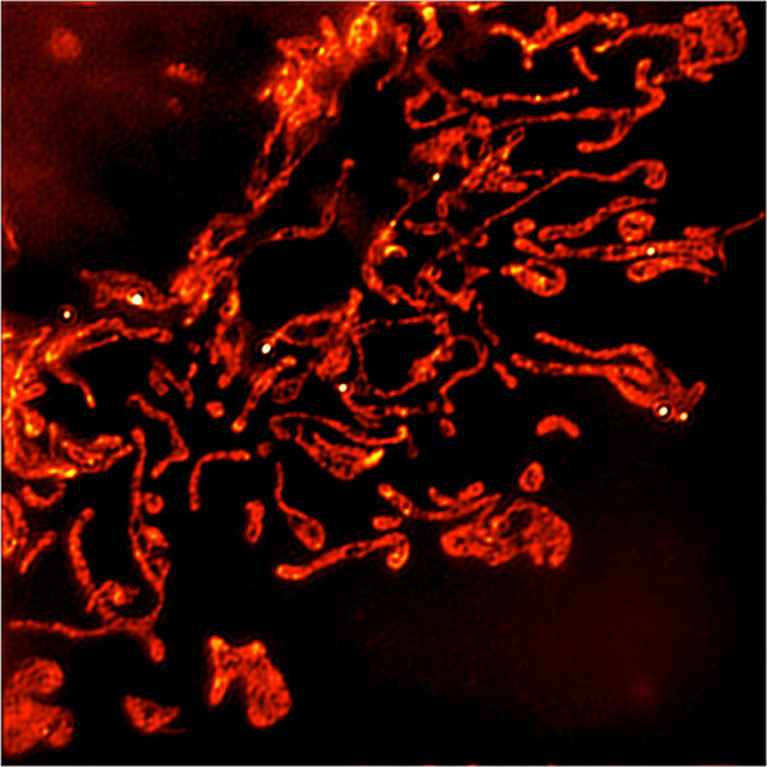
Life cannot exist without energy. For us to move, think and withstand stress and infections, the cells in our body must generate energy from the food we eat. This occurs in dynamic “powerhouses” inside cells, called mitochondria. Mitochondria are also involved in cellular signaling and immunity via pathways that are only starting to be identified. However, harboring mitochondria comes at a cost—they wear out with age, produce damaging metabolites and contain their own DNA (mtDNA) that can cause inherited diseases. A greater understanding of these complex organelles is essential to unravel their role in human disease and aging.
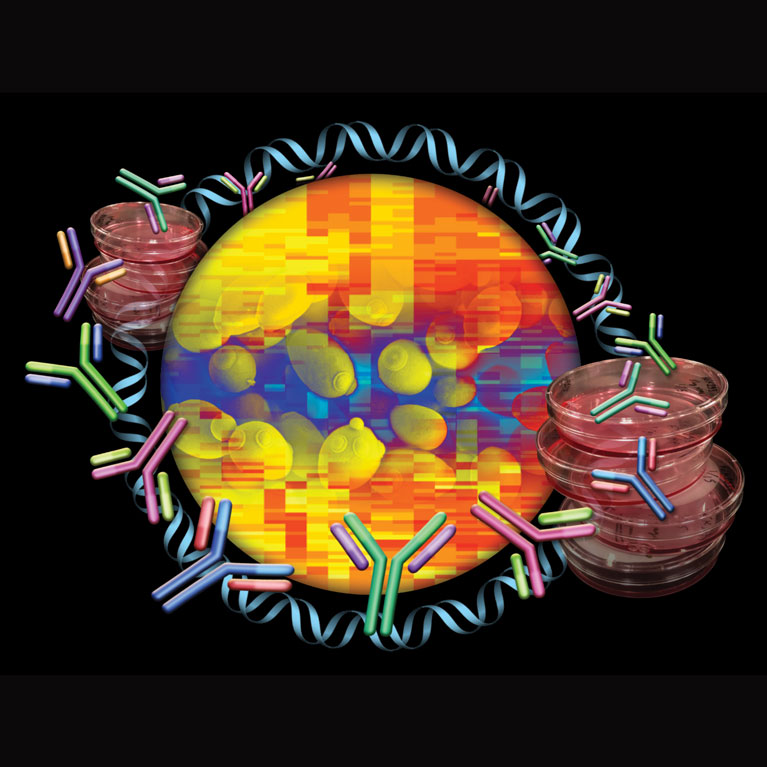
Gerald Shadel studies the basic biology of mitochondria and mtDNA, and, in doing so, has identified novel ways that mitochondria contribute to disease, aging and the immunesystem. He is also interested in understanding how mitochondria are involved in cellular signaling processes. He seeks to identify what the signals are, what pathways they trigger and how they play a part in aging, cancer and metabolic and degenerative diseases. His group takes a multidisciplinary view, exploring mitochondrial function—and dysfunction—via cultured cells, model organisms and other genetic and biochemical approaches.
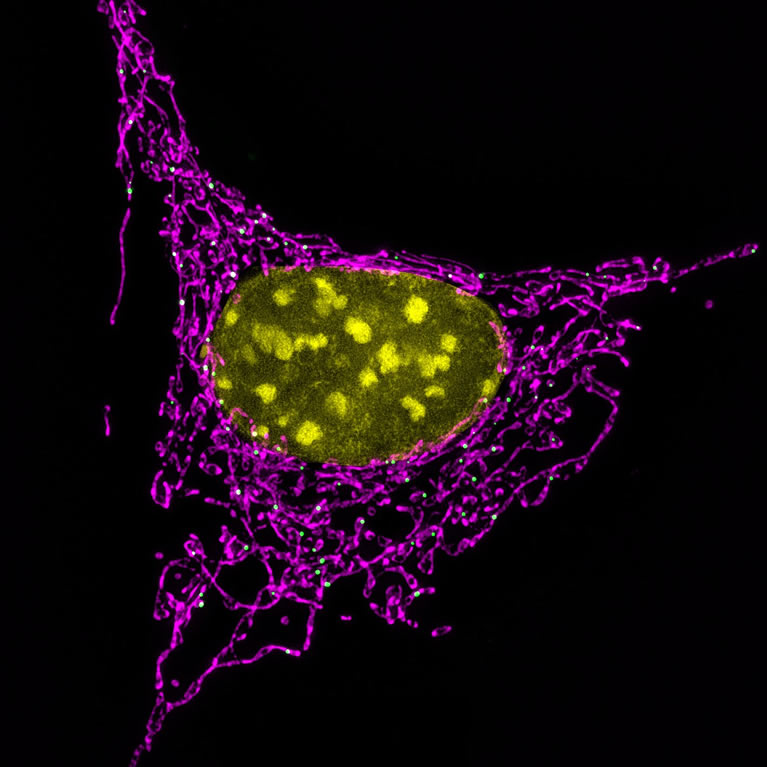
Shadel has elucidated context-specific ways that mitochondria and the reactive oxygen species (ROS) they produce are involved in the neurodegenerative disease ataxia-telangiectasia (A-T), maternally inherited deafness, aging and cancer.
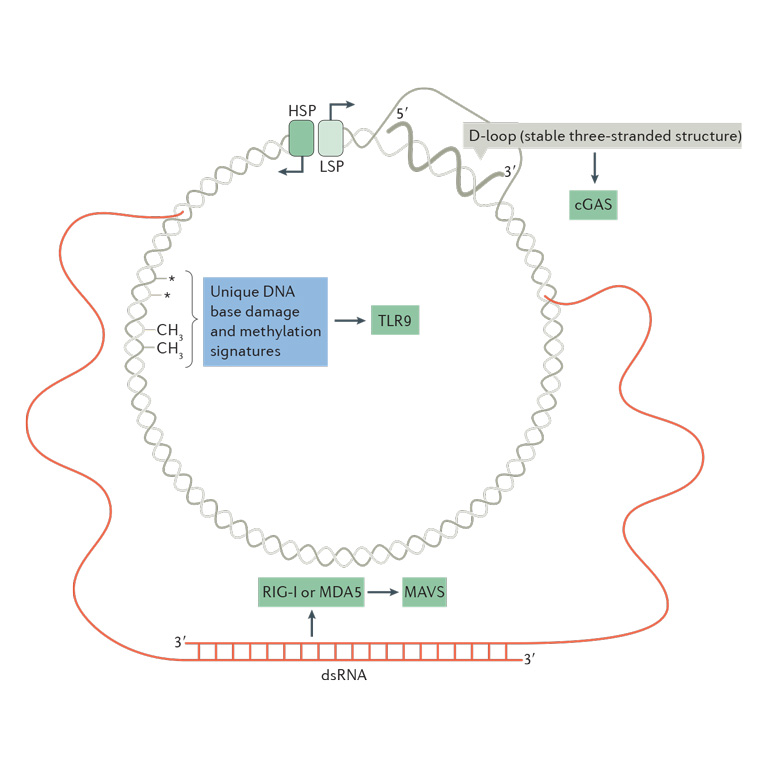
He also discovered that mtDNA, which is derived from an ancient bacterium, can trigger the immune system if exposed to the rest of the cell, causing antiviral and other defensive responses. Image courtesy Nature Reviews Immunology.
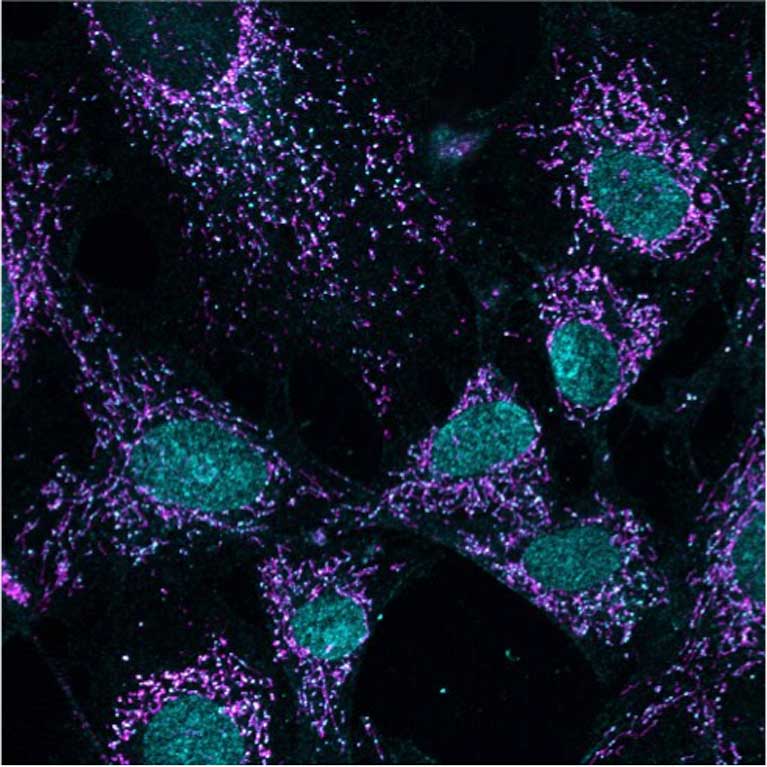
He is currently studying adaptive responses to mitochondrial stress in mammals, based on his discovery in yeast that mitochondrial ROS signals induce changes in gene expression in the cell nucleus that extend this organism’s life span.
BS, Chemistry, University of Nevada, Las Vegas
PhD, Texas A&M University
Postdoctoral Fellow, Stanford University




