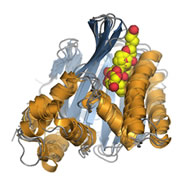
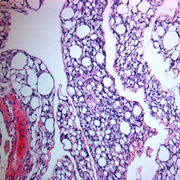
LA JOLLA, CA—Scientists at the Salk Institute for Biological Studies and Iowa State University discovered a family of plant proteins that play a role in the production of seed oils, substances important for animal and human nutrition, biorenewable chemicals and biofuels.
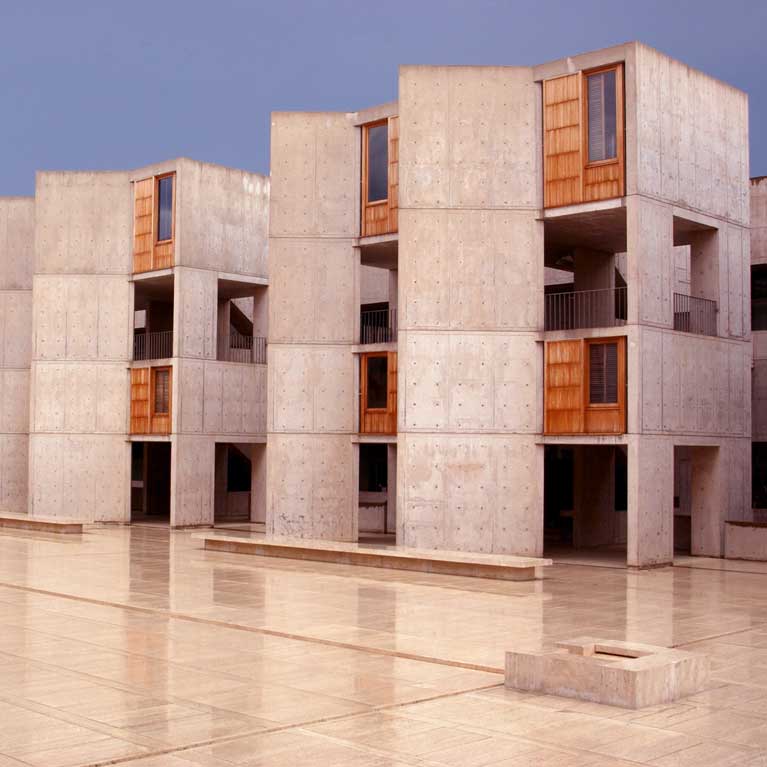
LA JOLLA, CA—San Diego Gas & Electric (SDG&E) named the Salk Institute for Biological Studies as an Energy Champion for their outstanding efforts in energy efficiency and conservation at an awards ceremony on May 10. The Institute is one of 13 local businesses recognized for “going above and beyond to save energy and money by taking advantage of the many rebates and incentives that are available through SDG&E’s energy-efficiency and demand response programs,” said Hal Snyder, vice president of customer solutions for SDG&E.
LA JOLLA, CA—Humans are built to hunger for fat, packing it on during times of feast and burning it during periods of famine. But when deluged by foods rich in fat and sugar, the modern waistline often far exceeds the need to store energy for lean times, and the result has been an epidemic of diabetes, heart disease and other obesity-related problems.
LA JOLLA, CA—Investigador del Salk Edward M. Callaway, a professor in the Systems Neurobiology Laboratories has been elected a Fellow of the American Academy of Arts and Sciences. Dr. Callaway shares the honor with some of the world’s most accomplished leaders from academia, business, public affairs, the humanities, and the arts.
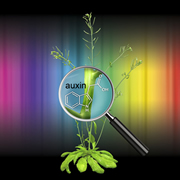
LA JOLLA, CA—Mild mannered though they seem, plants are extremely competitive, especially when it comes to getting their fair share of sunlight. Whether a forest or a farm, where plants grow a battle rages for the sun’s rays.
LA JOLLA, CA—In memory of Don Schneider, former president, CEO and chairman of Schneider National, Qualcomm has donated $1.5 million to establish the Don Schneider Qualcomm Innovation Fellowship at the Salk Institute. The fellowship will endow a postdoctoral position in Schneider’s name in perpetuity and enable the Salk Institute to continue hiring the world’s best scientists to conduct biological research that impacts humanity.
LA JOLLA, CA—In their extraordinary quest to decode human metabolism, researchers at the Salk Institute for Biological Studies have discovered a pair of molecules that regulates the liver’s production of glucose—the simple sugar that is the source of energy in human cells and the central player in diabetes.
LA JOLLA, CA—El descubrimiento de un engranaje importante en el reloj biológico que le dice al cuerpo cuándo dormir y metabolizar los alimentos podría conducir al desarrollo de nuevos medicamentos para tratar problemas de sueño y trastornos metabólicos, incluida la diabetes.
LA JOLLA, CA—Faculty members Reuben Shaw and Lei Wang, have been promoted to the position of Associate Professor at the Salk Institute after a rigorous evaluation process by Salk senior faculty, Non-Resident Fellows, and scientific peers. The career milestone distinguishes these two investigators as leading authorities in their respective disciplines who have made original, innovative and notable contributions to biological research.
The Salk Institute is pleased to announce that faculty members Geoffrey M. Wahl and Martyn Goulding were celebrated as the recipients of endowed chairs in recognition of their significant scientific accomplishments at a special reception on March 29. Joseph Ecker, professor in Salk’s Plant Molecular and Cellular Biology Laboratory, who was named holder of the International Council Chair in Genetics in September 2011, was also honored at the ceremony.
LA JOLLA, CA—Rapidly dividing cancer cells are skilled at patching up damage that would stop normal cells in their tracks, including wear and tear of telomeres, the protective caps at the end of each chromosome.
LA JOLLA, CA—The well-being of living cells requires specialized squads of proteins that maintain order. Degraders chew up worn-out proteins, recyclers wrap up damaged organelles, and-most importantly-DNA repair crews restitch anything that resembles a broken chromosome. If repair is impossible, the crew foreman calls in executioners to annihilate a cell. As unsavory as this last bunch sounds, failure to summon them is one aspect of what makes a cancer cell a cancer cell.
LA JOLLA, CA—A single injection of cocaine or methamphetamine in mice caused their brains to put the brakes on neurons that generate sensations of pleasure, and these cellular changes lasted for at least a week, according to research by scientists at the Salk Institute for Biological Studies.
LA JOLLA, CA—Renato Dulbecco, M.D., Nobel Prize winner and a global leader in cancer research passed away February 19 at his home in La Jolla. Born on February 22, 1914, he was just shy of his 98th birthday.
LA JOLLA,CA—Drugs targeting an enzyme involved in inflammation might offer a new avenue for treating certain lung cancers, according to a new study by scientists at the Salk Institute for Biological Studies.
LA JOLLA, CA—Researchers at the Salk Institute have discovered a startling feature of early brain development that helps to explain how complex neuron wiring patterns are programmed using just a handful of critical genes. The findings, published in Célula, may help scientists develop new therapies for neurological disorders, such as amyotrophic lateral sclerosis (ALS), and provide insight into certain cancers.
LA JOLLA, CA—Reviving a theory first proposed in the late 1800s that the development of organs in the normal embryo and the development of cancers are related, scientists at the Salk Institute for Biological Studies have studied organ development in mice to unravel how breast cancers, and perhaps other cancers, develop in people. Their findings provide new ways to predict and personalize the diagnosis and treatment of cancer.
LA JOLLA, CA—Uno de los grandes misterios de la biología es por qué las células envejecen. Ahora, científicos del Instituto Salk de Estudios Biológicos informan que han descubierto una debilidad en un componente de las células cerebrales que podría explicar cómo ocurre el proceso de envejecimiento en el cerebro.
LA JOLLA, CA—Lora B. Sweeney, a postdoctoral researcher at the Salk Institute for Biological Studies has been named a Damon Runyon Fellow.
LA JOLLA, CA—The Genetics Society of America(GSA) has honored Joanne Chory, Salk Institute professor and director of the Plant Molecular and Cellular Biology Laboratory and Howard H. and Maryam R. Newman Chair in Plant Biology, as the recipient of the prestigious 2012 Genetics Society of America Medal.