October 24, 2022
LA JOLLA—The Salk Institute welcomes Assistant Professor Deepshika Ramanan, an innovative researcher studying how the maternal immune system changes during pregnancy and breastfeeding and affects immunity and inflammation in babies across multiple generations. Ramanan will join Salk’s NOMIS Center for Immunobiology and Microbial Pathogenesis.
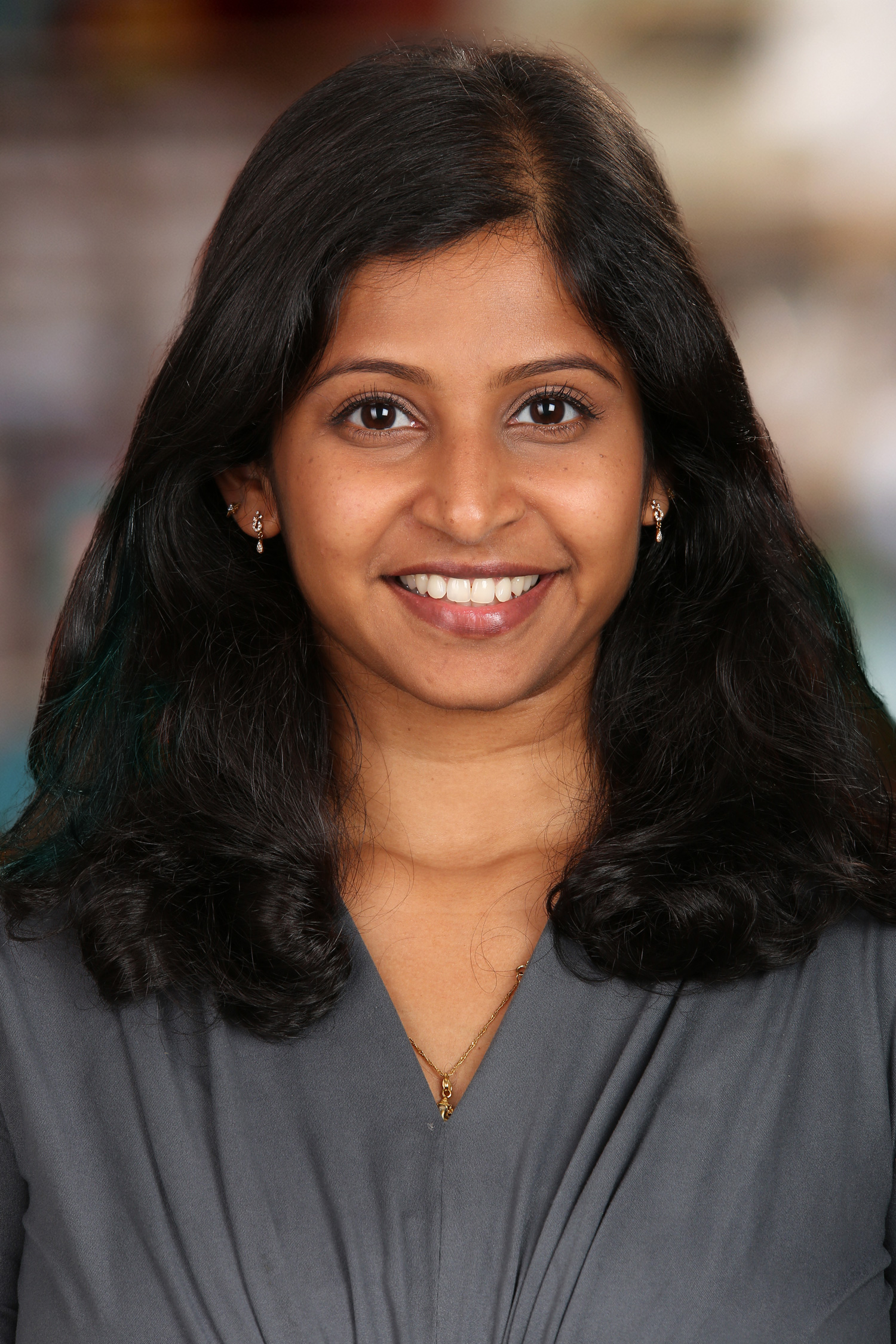
“We are thrilled to have Shika join Salk’s faculty as a leader in the study of maternal-offspring health and immune system development,” says Salk President Rusty Gage. “Her valuable work will help advance our understanding of health during critical developmental stages.”
Ramanan will study the ways immune cells function during pregnancy and breastfeeding, especially in the intestine and the mammary glands. She will also examine how a mother’s microbiota, diet, exposure to infections, and other environmental factors impact a newborn’s early development and long-term immune health, such as the development of an autoimmune disorder, for multiple generations.
Uncovering these biological mechanisms will help scientists better understand the causes of autoimmune and inflammatory diseases and enable researchers to develop interventions to prevent and treat them.
“Shika’s collaborative approach will allow her to explore topics that have not been studied before. For example, she will collaborate with infectious disease specialists to examine how maternal factors can influence offspring susceptibility to intestinal infections and microbiologists to better understand how the microbiome is established in infants and promotes their health and development,” says Susan Kaech, Salk professor and director of the NOMIS Center for Immunobiology and Microbial Pathogenesis. “She will also collaborate with other cancer biologists to understand how immune cell changes in the mammary gland can influence breast cancer risk later in life.”
Ramanan joins the Salk Institute from Harvard Medical School, where she completed her postdoctoral fellowship in the labs of Diane Mathis and Christophe Benoist. She earned her PhD in immunology and inflammation at New York University and her bachelor’s degree in cell and molecular biology at Winona State University, in Minnesota. Ramanan has received numerous prestigious awards including the Damon Runyon Dale F. Frey Breakthrough Scientist Award, the STAT Wunderkind Award, and the Harold M. Weintraub Graduate Student Award, among others.
“I am thrilled to be joining Salk’s faculty of world-renowned scientists,” says Ramanan. “Salk is unique in that the faculty are all working on complementary, yet such diverse areas of science, and I can’t wait to be a part of this vibrant and creative community.”
Büro für Kommunikation
Telefon: (858) 453-4100
press@salk.edu
Das Salk Institute ist ein unabhängiges, gemeinnütziges Forschungsinstitut, das 1960 von Jonas Salk, dem Entwickler des ersten sicheren und wirksamen Polio-Impfstoffs, gegründet wurde. Die Aufgabe des Instituts besteht darin, grundlegende, kooperative und risikofreudige Forschung voranzutreiben, die sich mit den dringendsten Herausforderungen der Gesellschaft befasst, darunter Krebs, Alzheimer und die Gefährdung der Landwirtschaft. Diese Grundlagenforschung bildet die Basis für alle translationalen Bemühungen und führt zu Erkenntnissen, die neue Medikamente und Innovationen weltweit ermöglichen.