June 14, 2024
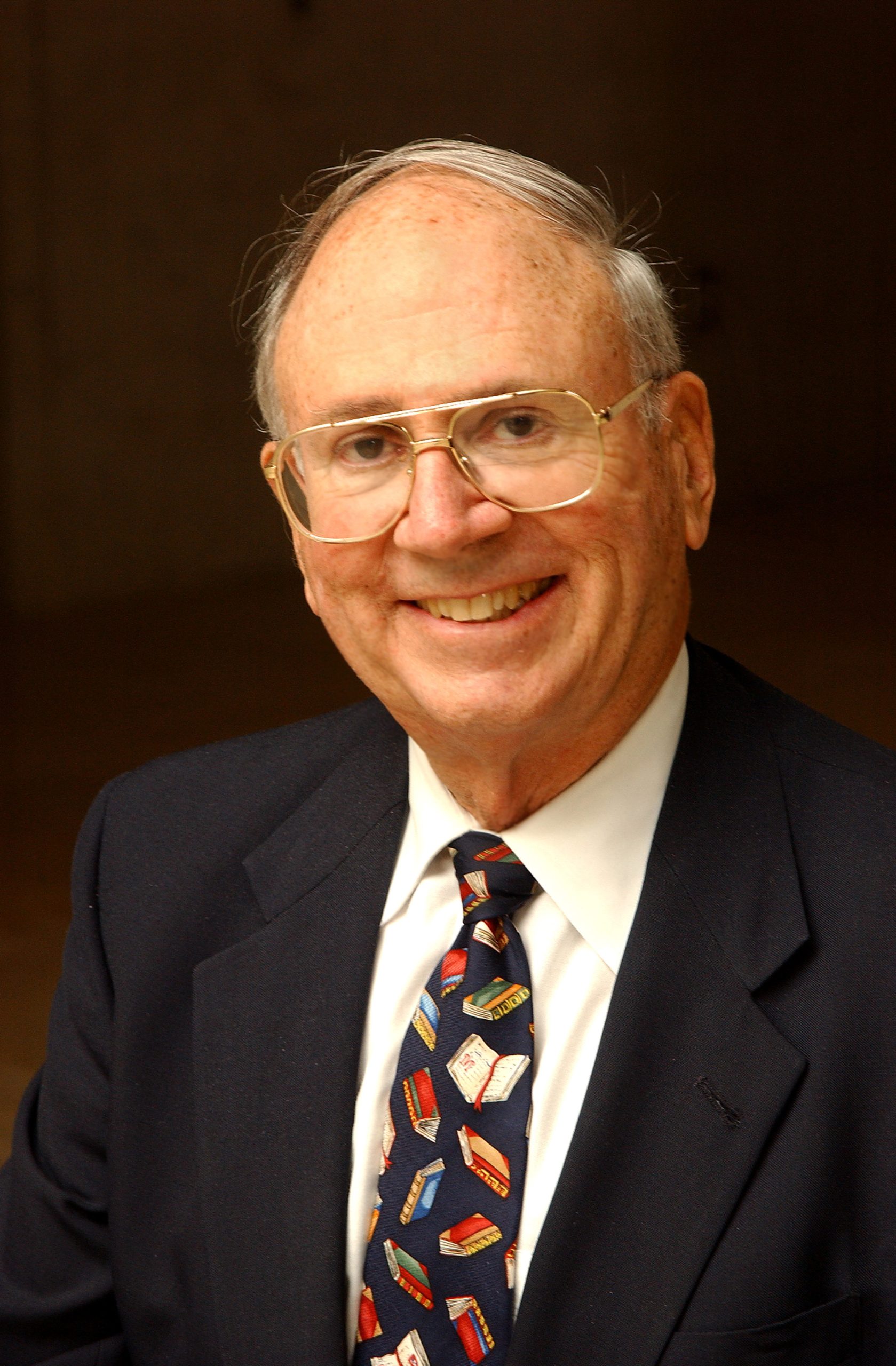
LA JOLLA—The Salk Institute mourns the loss of businessman and philanthropist John Adler, who served on the Institute’s Board of Trustees from 1991 to 2004. He died June 11, 2024, in Greenwich, Connecticut at the age of 96.
Adler generously supported the Salk Institute for decades, donating $6.7 million to launch the Adler Foundation Symposium on Alzheimer’s Disease Endowment, establish the Vi and John Adler Chair for Research on Age-Related Neurodegenerative Disease, and support many other research efforts.
For more than 30 years, the annual Adler Symposium brought together scientists working on different aspects of Alzheimer’s disease to share ideas and build new collaborations.
Professor Rusty Gage, former Salk president, currently holds the Vi and John Adler Chair. His team reprograms skin and other cells from patients with neurologic and psychiatric diseases into induced pluripotent stem cells, induced neurons, and organoids. With these tools, they are deciphering the mechanisms that lead to neurological disorders such as Alzheimer's Disease and exploring new therapeutic approaches.
"John was an outstanding trustee for Salk, for many years,” Gage says. “His sage counsel and generosity of time and resources have benefited the Institute immensely. His legacy of the Adler Symposium, focusing on age-related neurodegenerative diseases, has brought international acclaim to the Salk Institute, forging strong bonds and research collaborations around the world. We are grateful that John was part of our community."
Adler’s family asks that donations in his memory be made to the Salk Institute at www.salk.edu/donate.
Büro für Kommunikation
Telefon: (858) 453-4100
press@salk.edu
Das Salk Institute ist ein unabhängiges, gemeinnütziges Forschungsinstitut, das 1960 von Jonas Salk, dem Entwickler des ersten sicheren und wirksamen Polio-Impfstoffs, gegründet wurde. Die Aufgabe des Instituts besteht darin, grundlegende, kooperative und risikofreudige Forschung voranzutreiben, die sich mit den dringendsten Herausforderungen der Gesellschaft befasst, darunter Krebs, Alzheimer und die Gefährdung der Landwirtschaft. Diese Grundlagenforschung bildet die Basis für alle translationalen Bemühungen und führt zu Erkenntnissen, die neue Medikamente und Innovationen weltweit ermöglichen.